Ebola in DRC: How Trust Defeats the Virus in North Kivu’s Latest Outbreak
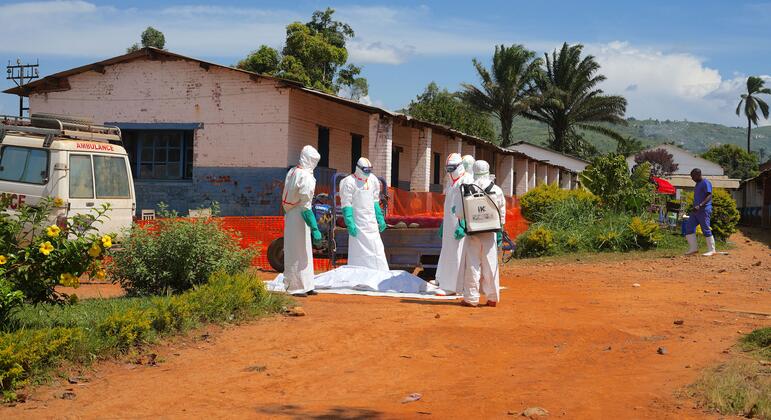
The Democratic Republic of Congo’s latest Ebola outbreak in North Kivu province—confirmed by the World Health Organization (WHO) on June 10—has already claimed at least 12 lives and infected 23 people, according to the latest WHO situation report. But the real challenge isn’t just containing the virus: it’s overcoming the deep-seated distrust that has sabotaged past responses. In a region where rumors spread faster than the disease, health workers are facing violent resistance, and misinformation campaigns are undermining vaccination efforts. Experts warn that without urgent action to rebuild trust, this outbreak could spiral into a full-blown crisis.
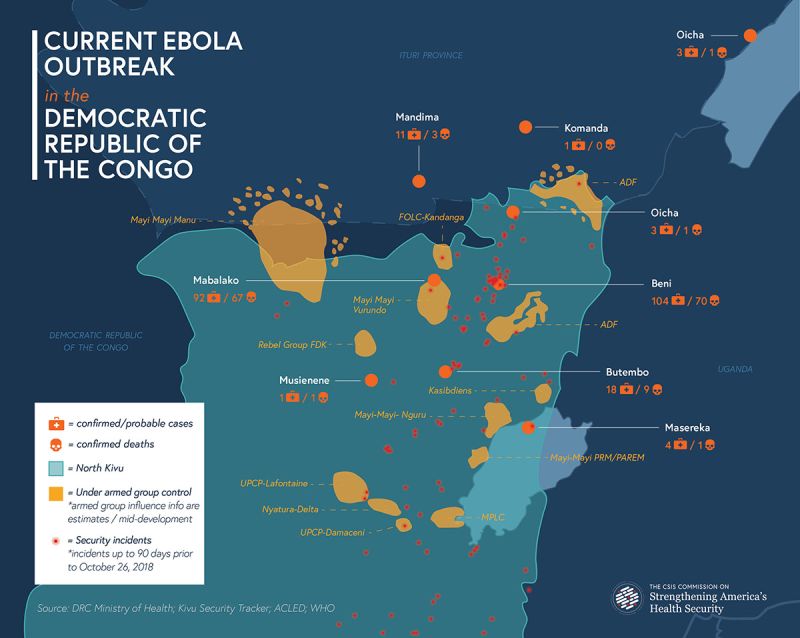
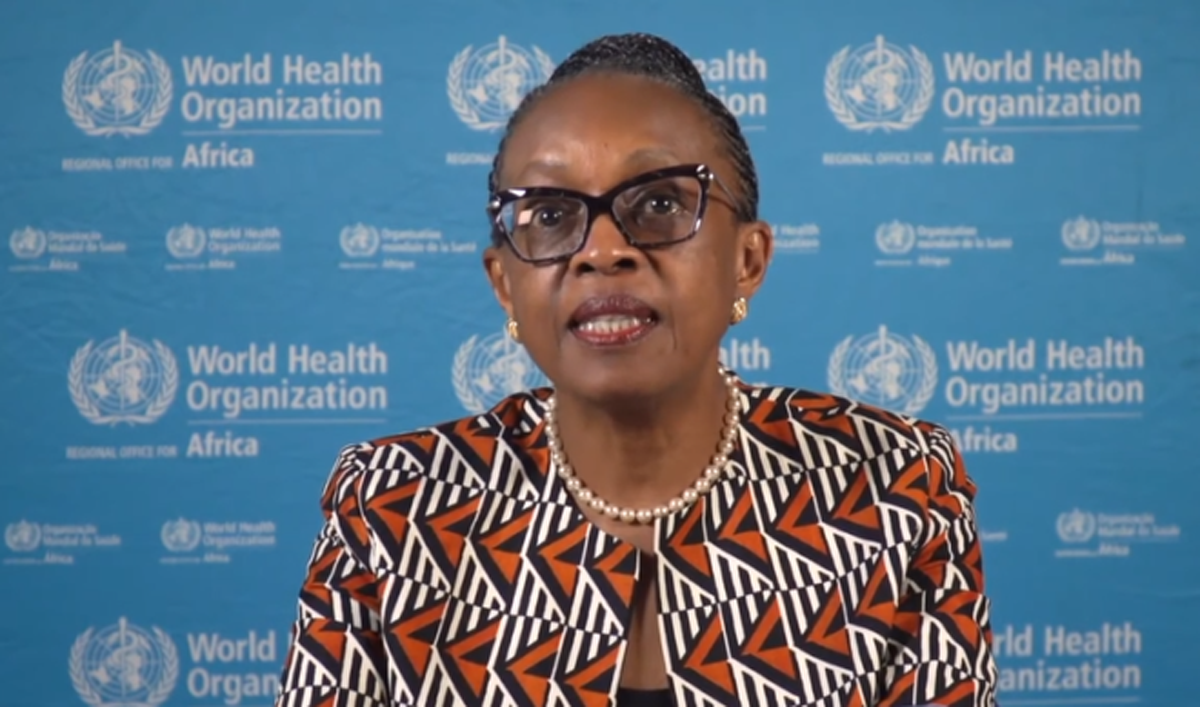
The current outbreak, declared in the town of Beni—ground zero for the DRC’s deadliest Ebola epidemic in 2018–2020—has already triggered alarms. Unlike previous waves, this one is unfolding in an area where health authorities have struggled to gain community buy-in. “The biggest obstacle isn’t the virus itself,” said Dr. Matshidiso Moeti, WHO’s Regional Director for Africa, in a statement released yesterday. “It’s the refusal of some communities to cooperate with health teams due to fear, misinformation, or past trauma.” The United Nations’ Ebola response team reports that in some villages, families are hiding sick relatives to avoid quarantine, while others refuse vaccinations, citing conspiracy theories about experimental treatments.
The distrust is rooted in history. During the 2018–2020 outbreak, which killed over 2,200 people, accusations of health workers colluding with foreign powers led to violent attacks on clinics. In one incident, 21 health workers were killed in Beni alone. “People remember those attacks,” said Jean-Marie Okwo-Bele, Director of the WHO’s Department of Pandemic and Epidemic Diseases, in a recent interview with Reuters. “They see new health teams arriving with vaccines and think it’s all happening again.”
This time, the response is different. The DRC government, supported by the WHO and Médecins Sans Frontières (MSF), is deploying a multi-pronged strategy that prioritizes community engagement over top-down enforcement. “We’re not just sending in medical teams,” said Dr. Okwo-Bele. “We’re working with local leaders, religious figures, and traditional healers to explain the science and address fears.” In some areas, vaccination teams are now accompanied by community elders to vouch for their legitimacy.
Why Distrust Is Worse Than the Virus
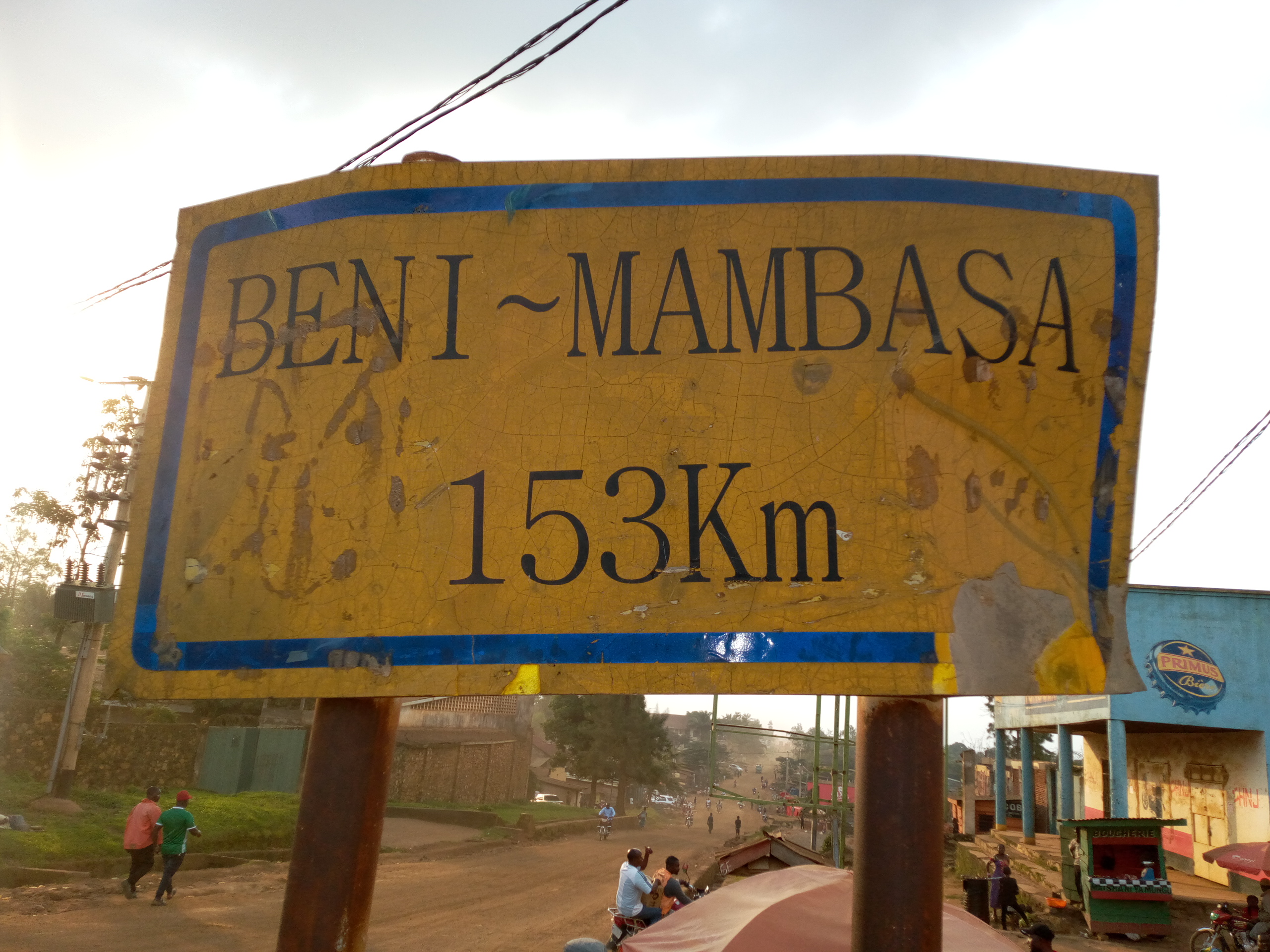
The current outbreak is concentrated in North Kivu’s Beni and Mambasa health zones, where Ebola has been circulating intermittently since 2018. But this time, the response is facing unprecedented resistance. According to a new MSF analysis, only 60% of eligible individuals in high-risk areas have accepted the Ebola vaccine—down from 85% in earlier phases of the 2018 outbreak. “The drop is alarming,” said MSF’s emergency coordinator for DRC, Dr. Jean-Bosco Nsengi. “In some villages, people believe the vaccine is a plot to sterilize the population or that it’s being used to target specific ethnic groups.”
The misinformation isn’t coming from nowhere. Social media platforms, particularly WhatsApp and Facebook, have been flooded with false claims linking Ebola to foreign biological warfare programs. A recent study by the African Centre for Strategic Studies found that 70% of viral posts in North Kivu during past outbreaks were either partially or completely false. “Once a rumor takes hold, it’s nearly impossible to correct,” said Dr. Moeti. “That’s why we’re partnering with local influencers to counter false narratives in real time.”
The consequences of this distrust are already visible. In one incident last week, a health worker was stoned by a mob in Mambasa after attempting to vaccinate a child. The Human Rights Watch reports that similar attacks have forced some clinics to close temporarily. “We’re seeing a repeat of the 2018 playbook,” said a senior UN official, who requested anonymity due to the sensitivity of the situation. “If we don’t turn this around quickly, we risk losing control of the outbreak entirely.”
How the Response Is Adapting
Recognizing the scale of the challenge, the DRC government and its partners are implementing a community-first approach that goes beyond medical intervention. Key strategies include:
- Local leadership engagement: Health teams are now working directly with chiefs and religious leaders to explain Ebola protocols and dispel myths. In some cases, these leaders are even accompanying vaccination teams to villages.
- Mobile vaccination units: Instead of fixed clinics, which can be seen as intimidating, MSF and the DRC Ministry of Health are deploying pop-up vaccination sites in markets and community centers.
- Digital counter-misinformation: The WHO and UNICEF are running SMS campaigns in local languages (Swahili, Lingala, and Kiswahili) to debunk false claims about Ebola in real time.
- Psychosocial support: Trauma counselors are being deployed to areas where past outbreaks led to violence, helping communities process their fears.
Early signs suggest the strategy is working in some areas. In the town of Oicha, where resistance was initially high, vaccination rates have climbed to 78% after a series of town hall meetings with community elders. “People need to see that we’re not here to harm them,” said Dr. Nsengi. “We’re here to save lives—and that means listening to them first.”
What Happens Next: The Race Against Time
With the outbreak still in its early stages, health officials are racing to contain it before it spreads to urban centers like Goma, which has a population of over 2 million. The WHO has declared this a Public Health Emergency of International Concern (PHEIC), meaning global surveillance and travel advisories are being ramped up. But the real test will be maintaining trust as the outbreak evolves.
“The window to act is narrow,” said Dr. Moeti. “If we can’t get vaccination rates above 80% in the next two weeks, the virus will find new hosts—and then it becomes much harder to stop.” The DRC’s health ministry has set a target of vaccinating 100,000 people in high-risk areas by June 25, but achieving this will depend on whether communities continue to cooperate.
For now, the focus remains on Beni and Mambasa, where the majority of cases have been reported. But with porous borders and active conflict in the region, the risk of cross-border transmission is high. Rwanda, Uganda, and South Sudan have all heightened monitoring at their DRC borders, while the WHO’s Africa Regional Office is coordinating with neighboring countries to prevent a regional outbreak.
Key Takeaways: What Readers Need to Know
- Trust is the biggest obstacle: Distrust of health workers and misinformation are delaying vaccination efforts more than the virus itself.
- Community engagement is critical: The DRC’s response is shifting from top-down enforcement to local partnerships with elders and religious leaders.
- Misinformation spreads fast: False claims on social media—often linking Ebola to foreign conspiracies—are undermining public health efforts.
- Early signs of progress: In some areas, vaccination rates have improved after direct community dialogue.
- Global watch is heightened: The WHO has declared this a PHEIC, triggering international monitoring and travel advisories.
- The clock is ticking: Health officials warn that without urgent action, the outbreak could spiral out of control within weeks.
Where to Find Official Updates
For real-time information on the Ebola outbreak in the DRC, readers can consult the following authoritative sources:
- World Health Organization (WHO) Situation Reports
- UN OCHA Ebola Response Updates
- Médecins Sans Frontières (MSF) Field Reports
- UN Ebola Response Dashboard
- CDC Historical Context on DRC Ebola Outbreaks
The next critical checkpoint is the June 25 vaccination target, when the DRC health ministry will assess whether current efforts are sufficient to contain the outbreak. If vaccination rates fall short, officials may need to escalate measures—including temporary travel restrictions or mandatory quarantines in affected areas. For now, the focus remains on rebuilding trust, one community at a time.
This outbreak serves as a stark reminder: in the fight against infectious diseases, science alone is never enough. Trust is the vaccine that saves lives—and without it, even the most advanced medical tools fail. What steps do you think should be taken to rebuild trust in health systems during outbreaks? Share your thoughts in the comments below, and don’t forget to follow World Today Journal for ongoing coverage of this developing story.