Ebola Outbreak Declared Public Health Emergency of Continental Concern as Rare Variant Spreads Across Africa
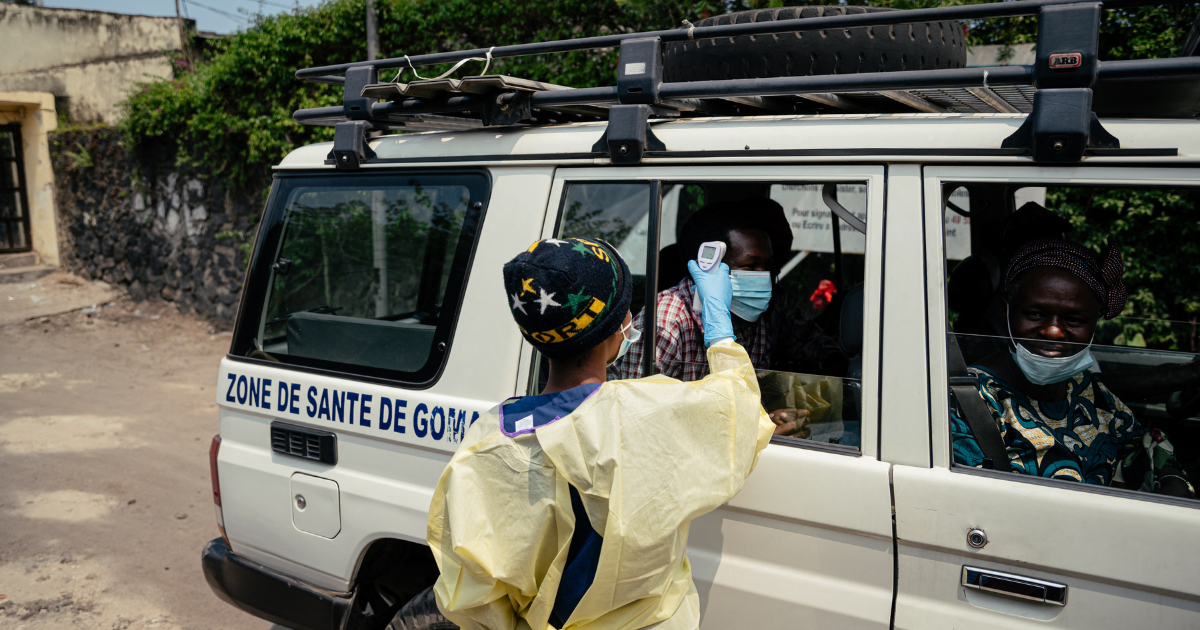
The Africa Centres for Disease Control and Prevention (Africa CDC) has declared the ongoing Ebola outbreak in the Democratic Republic of Congo (DRC) a Public Health Emergency of Continental Concern, its highest level of alert for cross-border health threats. The declaration, announced on Sunday, May 18, 2026, follows the confirmation of cases in both the DRC and neighboring Uganda, raising concerns about regional spread of the rare Bundibugyo ebolavirus variant.
This marks the first time Africa CDC has invoked its emergency powers for an Ebola outbreak, signaling the continent’s alarm over the epidemic’s rapid progression and the challenges posed by limited access to affected areas and the absence of approved vaccines or treatments for this particular strain. The World Health Organization (WHO) had previously declared a Public Health Emergency of International Concern (PHEIC) on May 17, 2026, its second-highest alert level, but stopped short of calling it a pandemic.
With cases now confirmed in both the DRC’s Ituri province and Uganda’s Mbarara district, health officials warn of the potential for further international spread. The situation underscores the urgent need for coordinated response efforts across Africa, and beyond.
Key Developments in the Ebola Outbreak
- First continental emergency declaration: Africa CDC’s highest alert level activated for Ebola outbreak
- Cross-border spread confirmed: Cases in DRC’s Ituri province and Uganda’s Mbarara district
- Rare variant: Bundibugyo ebolavirus strain with no approved vaccines or treatments
- Limited testing capacity: Only 8 lab-confirmed cases out of 336 suspected cases
- International response: WHO PHEIC declaration but not pandemic status
- Travel advisory: Increased screening at regional airports and ports
The Rare Variant Creating Urgency
The current outbreak is caused by the Bundibugyo ebolavirus, one of six known Ebola virus species. Unlike the more commonly discussed Zaire ebolavirus or Sudan ebolavirus, the Bundibugyo strain has received far less attention in global health circles. This variant was first identified in Uganda in 2007, with outbreaks occurring in 2012 and 2019. However, the current epidemic represents the largest outbreak of this particular strain to date.
What makes this variant particularly concerning?
- No approved vaccines: While experimental vaccines exist for other Ebola strains, none are currently approved for the Bundibugyo variant
- Limited treatment options: Supportive care remains the primary approach, with no specific antiviral therapies
- Lower case fatality rate: Historically around 25-30% compared to 50-70% for Zaire ebolavirus, but still devastating
- Complex transmission dynamics: The virus spreads through direct contact with bodily fluids, but also through contaminated surfaces and possibly aerosol transmission in certain settings
The Africa CDC’s declaration highlights the lack of preparedness for this specific strain across the continent. While many African countries have Ebola response plans in place, these typically focus on the more common Zaire ebolavirus strain.
Current Case Numbers and Geographic Spread
As of May 16, 2026, health authorities report:
| Location | Confirmed Cases | Suspected Cases | Deaths (Suspected) | Testing Capacity |
|---|---|---|---|---|
| DRC – Ituri Province | 8 lab-confirmed | 246 suspected | 80 | Limited due to remote access |
| DRC – Kinshasa | 1 lab-confirmed | Not specified | Not specified | Urban testing capacity |
| Uganda – Mbarara District | 1 lab-confirmed | Not specified | 1 death | Regional testing available |
| Total | 10 lab-confirmed | 336 suspected | 88 deaths | Significant testing gaps |
Source: Africa CDC situation report, May 16, 2026
“The rapid spread of this outbreak across international borders demonstrates the urgent need for a coordinated African response. We cannot afford to repeat the delays we saw in past Ebola responses.”
— Africa CDC Director, Dr. Jean Kaseya (paraphrased from official statement)
Response Challenges and International Coordination
The Africa CDC declaration comes as health authorities grapple with several critical challenges:
1. Remote and Conflict-Affected Zones
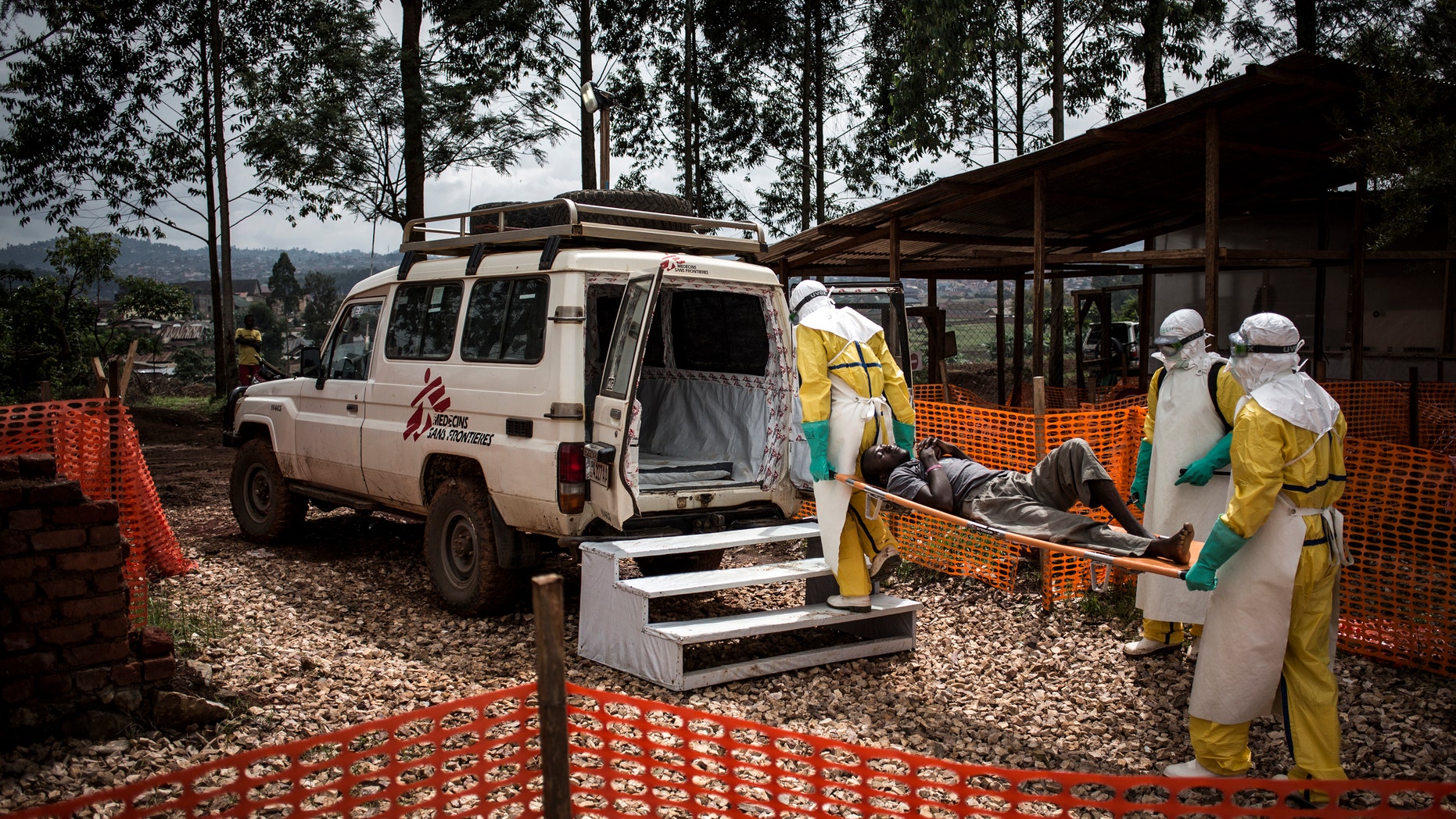
The epicenter in Ituri province remains difficult to access due to ongoing security concerns and poor infrastructure. Health workers report:
- Limited road access to affected villages
- Distrust among local communities toward health authorities
- Challenges in maintaining cold chains for sample transport
2. Diagnostic Limitations
With only 10 lab-confirmed cases out of 336 suspected cases, experts warn that the true scale of the outbreak may be significantly underestimated. The Africa CDC notes:
“Our current testing capacity is overwhelmed. We’re seeing cases that should have been detected earlier, suggesting community transmission has been occurring for some time.”
— Africa CDC technical working group (official briefing)
3. Cross-Border Movement
The confirmation of cases in Uganda demonstrates how quickly Ebola can spread across porous borders. Health officials are particularly concerned about:
- Urban centers like Kinshasa and Kampala serving as potential amplification points
- Commercial transport routes connecting DRC to Rwanda, Burundi, and Tanzania
- Refugee populations moving between countries
What This Means for Global Health
While the Africa CDC’s declaration is specific to the continent, the outbreak has significant global implications:
1. Travel and Trade Considerations
Several African nations have already implemented measures:
- Increased temperature screening at major airports
- Enhanced surveillance at land borders
- Temporary restrictions on travel from high-risk areas
The WHO has issued travel health notices advising:
“Avoid all non-essential travel to areas where Ebola transmission is ongoing. Countries should maintain heightened surveillance at ports of entry.”
2. Vaccine Development Acceleration
While no Bundibugyo-specific vaccine exists, several initiatives are underway:
- The Coalition for Epidemic Preparedness Innovations (CEPI) has pledged to fast-track research into adapted vaccines
- The DRC’s national health institute is collaborating with international partners on clinical trials
- WHO is coordinating global stockpiles of experimental treatments
3. Lessons from Past Outbreaks
Health officials are drawing parallels with previous Ebola responses:
- 2014-2016 West Africa outbreak: Demonstrated need for rapid international coordination
- 2018-2020 DRC outbreaks: Showed challenges in conflict zones and vaccine deployment
- 2022 Uganda outbreak: Highlighted risks of urban transmission
Dr. Fischer notes: “The key difference this time is the Africa CDC’s proactive declaration. While past responses often waited for international declarations, this shows African leadership in health security.”
What You Need to Know: Practical Information
For Travelers
- Check your government’s travel advisories before planning trips to DRC or Uganda
- Avoid contact with sick individuals or their bodily fluids
- Practice excellent hand hygiene and avoid bush meat consumption
- Monitor health for 21 days after potential exposure
For Health Professionals
- Review updated WHO Ebola case management guidelines
- Prepare for potential cases in non-endemic countries
- Enhance infection prevention measures in healthcare settings
- Report suspicious cases to national health authorities immediately
For the General Public
- Stay informed through official sources like WHO and Africa CDC
- Avoid sharing unverified information about the outbreak
- Support global health initiatives through reputable organizations
- Prepare for potential disruptions in travel and trade routes
Looking Ahead: Next Steps in the Response
The Africa CDC has outlined several immediate priorities:
- Enhanced surveillance: Deploy rapid response teams to hotspot areas
- Laboratory support: Increase testing capacity through regional labs
- Community engagement: Work with local leaders to build trust and cooperation
- Cross-border coordination: Establish joint response mechanisms with neighboring countries
- Research acceleration: Prioritize Bundibugyo-specific vaccine and treatment development
The next critical checkpoint will be the Africa CDC’s emergency committee meeting scheduled for May 24, 2026, where they will assess:
- The effectiveness of current containment measures
- The need for additional international support
- Potential adjustments to the emergency declaration
What’s next? The Africa CDC will hold a press briefing on May 22, 2026, to provide updated case counts and response strategies. In the meantime, the organization encourages all African countries to:
- Strengthen their Ebola preparedness plans
- Enhance laboratory diagnostic capabilities
- Coordinate with neighboring nations on surveillance
For the latest official updates, visit the Africa CDC website or follow their X/Twitter account.
Have questions about Ebola prevention or the outbreak’s impact? Share your concerns in the comments below or contact your local health authority for personalized advice.
Reader Resources
Related reading