
Macau, May 18, 2026 — In a preemptive move to curb potential spread, Macau’s health authorities have announced enhanced screening measures for travelers arriving from or transiting through the Democratic Republic of the Congo (DRC) and Uganda, two countries currently battling a deadly Ebola outbreak. The decision comes as the World Health Organization (WHO) declared the situation a Public Health Emergency of International Concern (PHEIC), its second-highest alert level, while emphasizing that the current outbreak does not meet the criteria for a pandemic.
The Health Bureau of Macau confirmed in a statement today that it will “further strengthen health monitoring of individuals arriving from or transiting through affected areas,” citing the WHO’s assessment and recent developments in the region. While the immediate risk to Macau remains low, officials stressed the importance of maintaining vigilance given the virus’s high fatality rate and the complexity of containing outbreaks in conflict zones like eastern DRC, where the rebel group M23 controls key areas including the city of Goma.
This heightened screening follows similar actions by neighboring Hong Kong, where authorities also announced enhanced health checks for arrivals from Africa. Unlike Hong Kong, which has no direct flights to the affected regions, Macau’s proximity to Southeast Asia and its status as a major transit hub for travelers from Africa to China makes it a potential entry point for the virus. The WHO has noted that most travelers from DRC and Uganda to Asia typically transit through Addis Ababa, Ethiopia, before continuing their journeys.
Understanding the Ebola Outbreak: Key Facts
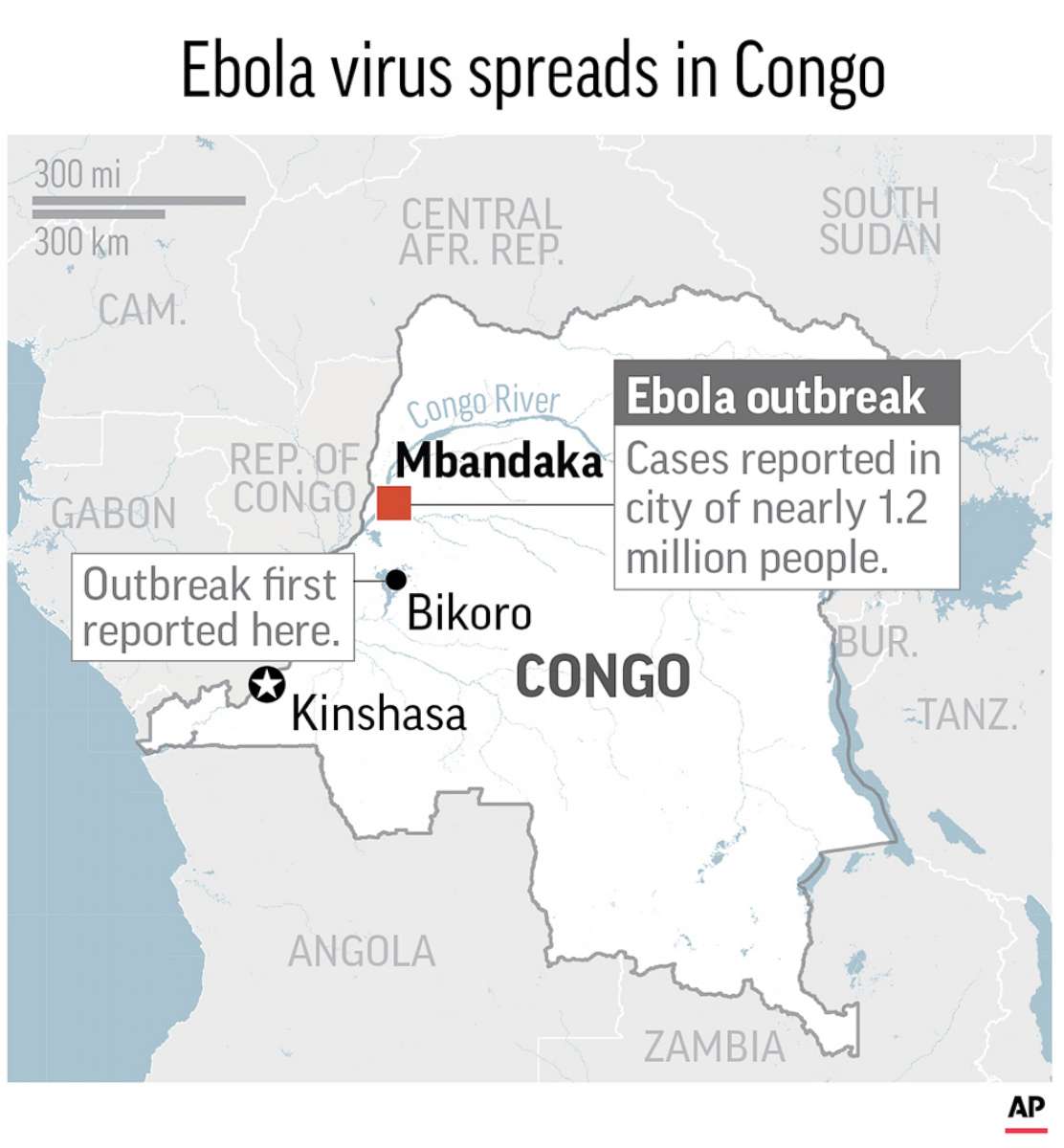
The current outbreak, which began in March 2026, has already claimed at least 88 lives with 336 suspected cases reported across DRC and Uganda, according to the latest WHO figures. The virus has been detected in Goma, a city of over 2 million people near the Rwandan border, raising concerns about urban spread. In Uganda’s capital, Kampala, two unrelated cases have been confirmed among individuals who traveled from DRC, suggesting limited but concerning cross-border transmission.
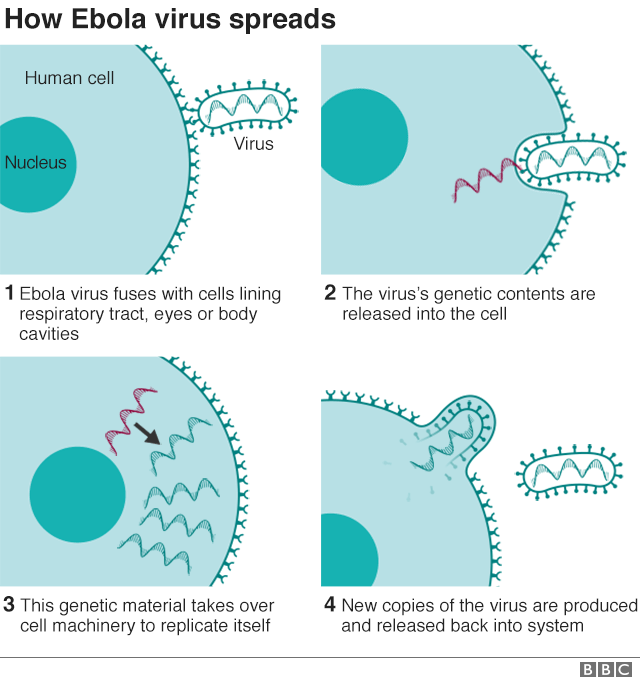
Ebola, a severe and often fatal disease caused by the Ebola virus, spreads through direct contact with bodily fluids of infected individuals or contaminated surfaces. Symptoms include fever, muscle pain, vomiting, diarrhea, and in severe cases, bleeding. While there are no licensed vaccines available for the current strain, experimental treatments and vaccines used in previous outbreaks have shown promise. The WHO has urged affected countries to scale up vaccination efforts, particularly in high-risk areas.
Why the concern for Macau? While the risk of Ebola reaching Macau is currently assessed as low, health officials point to several factors that warrant caution. First, Macau’s international airport serves as a gateway for travelers from Southeast Asia, Africa, and beyond. Second, the city’s dense population and high mobility could facilitate rapid spread if the virus were to enter. Finally, the outbreak’s occurrence in urban centers like Goma—rather than remote rural areas—heightens the potential for international transmission.
How Macau’s Screening Measures Work
The Health Bureau of Macau has not disclosed specific details about the enhanced screening protocols, but officials have indicated that the measures will include:
- Mandatory health declarations for all arrivals from or transiting through DRC and Uganda, including temperature checks and symptom assessments.
- Extended monitoring for individuals exhibiting symptoms consistent with Ebola, including possible quarantine if necessary.
- Coordination with airlines and travel agencies to identify high-risk passengers before arrival.
Macau’s approach aligns with recommendations issued by the WHO, which has advised countries to:
- Strengthen surveillance at points of entry.
- Enhance laboratory capacity to quickly diagnose cases.
- Implement contact tracing and isolation measures.
- Ensure healthcare workers are equipped with personal protective equipment (PPE).
Unlike during the 2014-2016 West Africa Ebola epidemic, when travel bans and quarantines were widely implemented, the WHO has discouraged such measures this time, citing their potential to disrupt global health systems and exacerbate stigma. Instead, the focus is on targeted screening and rapid response.
Global Response: What Other Countries Are Doing
Macau’s actions reflect a broader regional response. Hong Kong, as mentioned, has increased health checks, though it maintains the lowest alert level due to the absence of direct flights and no prior Ebola cases. Singapore, another major Asian hub, has also enhanced screening for travelers from high-risk areas. In Africa, neighboring Rwanda has deployed additional medical personnel to its border with DRC, while the WHO has dispatched emergency teams to support outbreak response efforts.
The European Union has also activated its Ebola preparedness plan, though no EU member states have reported cases. The U.S. Centers for Disease Control and Prevention (CDC) has issued travel advisories urging caution for non-essential travel to DRC and Uganda.
What Travelers Should Know
For individuals planning to travel to or from Macau, the Health Bureau advises:
- Monitor official updates from the Macau Health Bureau and the WHO.
- Complete health declarations accurately upon arrival.
- Avoid contact with sick individuals or wildlife in affected regions.
- Seek immediate medical attention if symptoms such as fever, headache, or muscle pain develop within 21 days of travel.
Travelers from DRC and Uganda may face additional screening or delays. Airlines operating routes to these countries are encouraged to cooperate with health authorities to identify passengers who may require further evaluation.
Expert Perspective: Assessing the Risk
Dr. Li Wei, an infectious disease specialist at the University of Macau, emphasized that while the risk to Macau remains low, the situation warrants careful monitoring. “The key difference in this outbreak is its occurrence in urban areas with international airports,” Dr. Li noted. “In previous outbreaks, the virus was often contained in rural settings. Here, we have a more complex scenario with potential for rapid spread.”

Dr. Li also highlighted the importance of public awareness. “Ebola is not airborne, but it is highly contagious through direct contact. Simple measures like hand hygiene and avoiding close contact with sick individuals can make a significant difference in preventing transmission.”
The WHO’s decision to declare a PHEIC underscores the seriousness of the situation, though it does not trigger the same level of global response as a pandemic declaration. “This is a call to action for countries to prepare, not panic,” said a WHO spokesperson. “Our focus is on containing the outbreak at its source while ensuring that the world is ready to respond if cases are detected elsewhere.”
Looking Ahead: Next Steps and Updates
The situation remains fluid, with the WHO expected to provide further updates on the outbreak’s trajectory in the coming days. Macau’s Health Bureau has not specified how long the enhanced screening measures will remain in place, but officials have indicated they will adjust protocols based on the evolving risk assessment.
The next critical checkpoint will be the WHO’s Emergency Committee meeting scheduled for May 22, 2026, where experts will reassess the outbreak’s severity and the global response. In the meantime, travelers, healthcare providers, and public health officials are urged to stay vigilant and adhere to established protocols.
For the latest official updates, visit:
As the global community rallies to contain this outbreak, Macau’s proactive measures serve as a reminder of the importance of preparedness in an interconnected world. While the immediate threat may be low, the lessons learned from past epidemics—such as the critical role of early detection and international cooperation—remain as relevant as ever.
Have questions about travel restrictions, symptoms, or how to stay informed? Share your concerns in the comments below, and don’t forget to share this article to help others stay updated.
Related reading
- COVID-19 Drug Shows Promise for Kidney Transplant Patients
- Guía completa sobre fertilización incorporada al suelo: Técnicas y beneficios
- Extremadura Health Service Expands Early Breast Cancer Screening Program (world-today-news.com)
- Snapchat to Stop Recommending Fully AI-Generated Videos to Fight AI Slop (time.news)