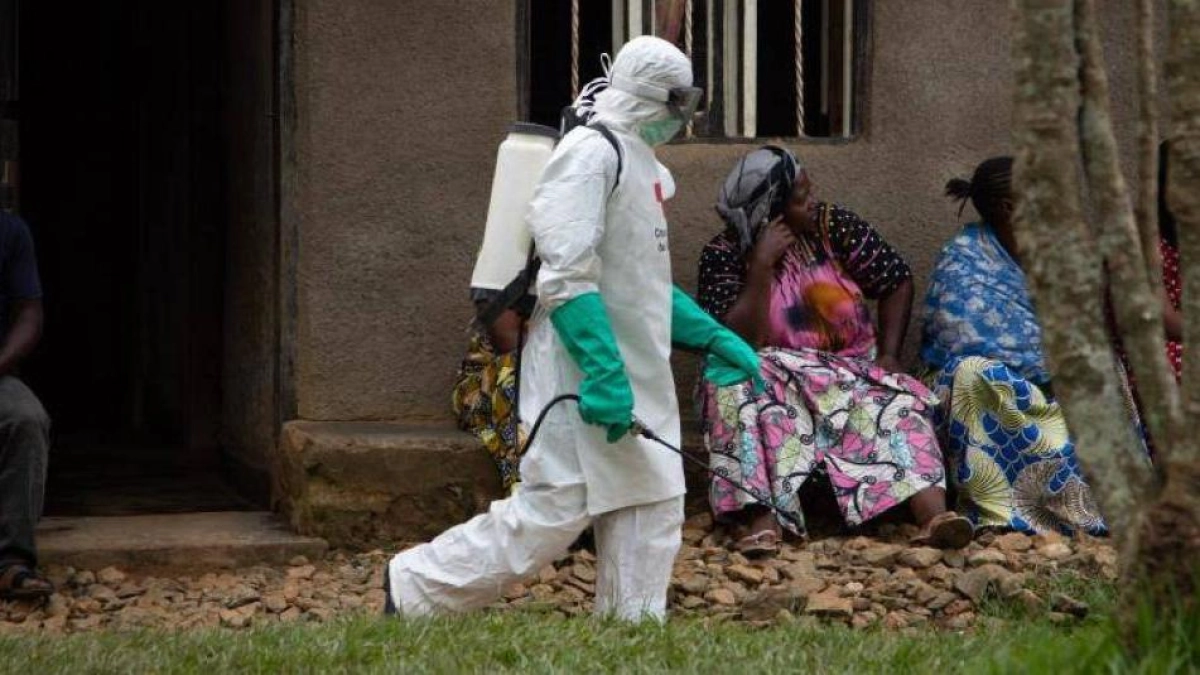
As the global health community monitors the evolution of viral hemorrhagic fevers, questions regarding local preparedness—such as those surrounding major urban centers like Bogotá—often come to the forefront of public discourse. Understanding the reality of Ebola virus disease (EVD) requires looking beyond immediate headlines to the established scientific facts surrounding the pathogen, its transmission and the current global standards for outbreak containment.
Ebola disease is a severe, often fatal illness in humans, caused by viruses belonging to the Orthoebolavirus genus within the Filoviridae family. According to the World Health Organization (WHO), while case fatality rates have historically fluctuated between 25% and 90%, the average rate is approximately 50%. Preparedness in any major city is not merely a matter of local policy, but relies on a robust, internationally coordinated framework for surveillance, infection control, and rapid diagnostic capability.
Understanding the Pathogen and Its Reach
The virus was first identified in 1976 during two simultaneous outbreaks: one involving Sudan virus in what is now South Sudan, and another involving Ebola virus in the Democratic Republic of the Congo. The latter occurred near the Ebola River, which provided the name for the disease. Today, there are six known species of Orthoebolaviruses, though only three—Ebola virus, Sudan virus, and Bundibugyo virus—have been linked to large-scale human outbreaks, as noted by the World Health Organization.

For healthcare systems, the challenge of Ebola lies in its clinical presentation and the requirements for containment. Symptoms typically manifest between two and 21 days after exposure, with an average onset of eight to 10 days. Early symptoms, often described as “dry” symptoms, include fever, aches, pains, and fatigue, which frequently progress to vomiting, diarrhea, and in severe cases, internal and external bleeding. The Centers for Disease Control and Prevention (CDC) emphasizes that the virus is spread through direct contact with the blood or body fluids of an infected person or through contact with contaminated objects.
The Global Standard for Outbreak Preparedness
Preparedness for a potential case of Ebola in any international city is governed by strict protocols. Effective outbreak control does not rely on a single measure but a comprehensive package of interventions. This includes intensive supportive care for patients—specifically rehydration and symptom management—which the World Health Organization notes can significantly improve survival rates if administered early.

Beyond clinical care, the global gold standard for containment includes:
- Infection Prevention and Control: Utilizing rigorous personal protective equipment (PPE) and sterile protocols in healthcare settings.
- Disease Surveillance and Contact Tracing: Identifying potential chains of transmission before they expand.
- Laboratory Services: The ability to confirm the presence of viral RNA or antibodies in the blood rapidly.
- Safe and Dignified Burials: A critical component of community-level containment to prevent transmission during funeral rites.
While licensed vaccines and therapeutics are available for the Ebola virus species, there is currently no approved vaccine or treatment for Sudan virus or Bundibugyo virus disease, though candidate products remain under development. This disparity highlights why early detection remains the most potent tool in a public health arsenal.
Clinical Management and Public Health Infrastructure
For a city to consider itself prepared, it must maintain a high index of suspicion among clinicians, particularly for patients presenting with fever and a history of travel to regions where these viruses are endemic. Because the symptoms of Ebola can mirror those of other conditions—such as malaria, typhoid, or other viral hemorrhagic fevers—the diagnostic process must be swift and accurate. Relying on specialized laboratory testing is the only way to confirm a diagnosis and initiate the necessary isolation protocols.
Healthcare providers are encouraged to stay updated on the latest guidance regarding emergency services, screening, and infection control. The CDC provides comprehensive resources for healthcare workers, emphasizing that while the risk of importation to non-endemic areas is often low, the potential for serious illness necessitates constant vigilance and the maintenance of high-standard infection control practices.
Moving Forward: A Global Responsibility
The conversation around preparedness in cities like Bogotá is part of a broader, necessary global dialogue. As we navigate an increasingly interconnected world, the focus remains on strengthening health systems to handle emerging infectious diseases. The goal is to ensure that if a suspected case appears, the transition from detection to isolation and treatment occurs within hours, not days.

For readers seeking the most current information, the World Health Organization and local national health ministries remain the primary sources for verified updates on global disease status and travel advisories. Staying informed through these official channels is the most effective way to separate health-related facts from speculation.
As always, I welcome your thoughts on this complex topic. How do you believe international cooperation should evolve to better support local health systems in the face of emerging threats? Please share your comments below.
Keep reading