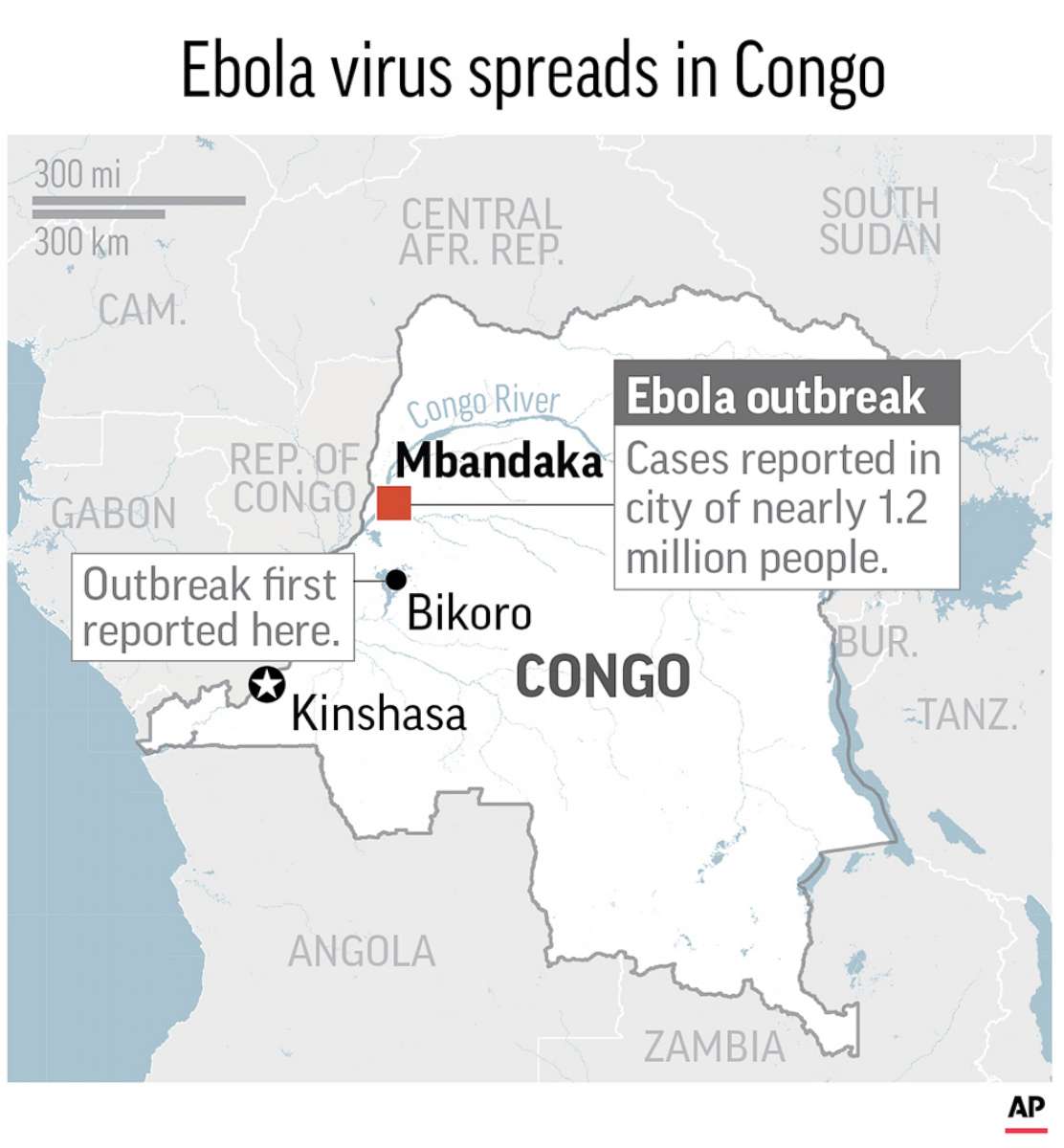
As the international community monitors public health developments in sub-Saharan Africa, officials are intensifying efforts to contain the spread of viral hemorrhagic fevers. In the Democratic Republic of the Congo (DRC), recent measures have been implemented to manage the movement of people in areas impacted by health emergencies, specifically targeting transit hubs to curb the potential transmission of the Ebola virus. As a physician and health journalist, I recognize that the rapid implementation of such containment strategies is a cornerstone of preventing large-scale outbreaks, particularly given the nature of this severe, often fatal disease.
Ebola disease, which is caused by orthoebolaviruses, remains a significant public health challenge in the region. According to the World Health Organization (WHO), the disease is rare but severe, with case fatality rates historically ranging from 25% to 90%. Understanding the clinical trajectory—which typically includes early symptoms such as fever, muscle pain, and fatigue—is essential for both healthcare providers and the public as surveillance efforts continue.
Understanding the Pathogen and Its Transmission
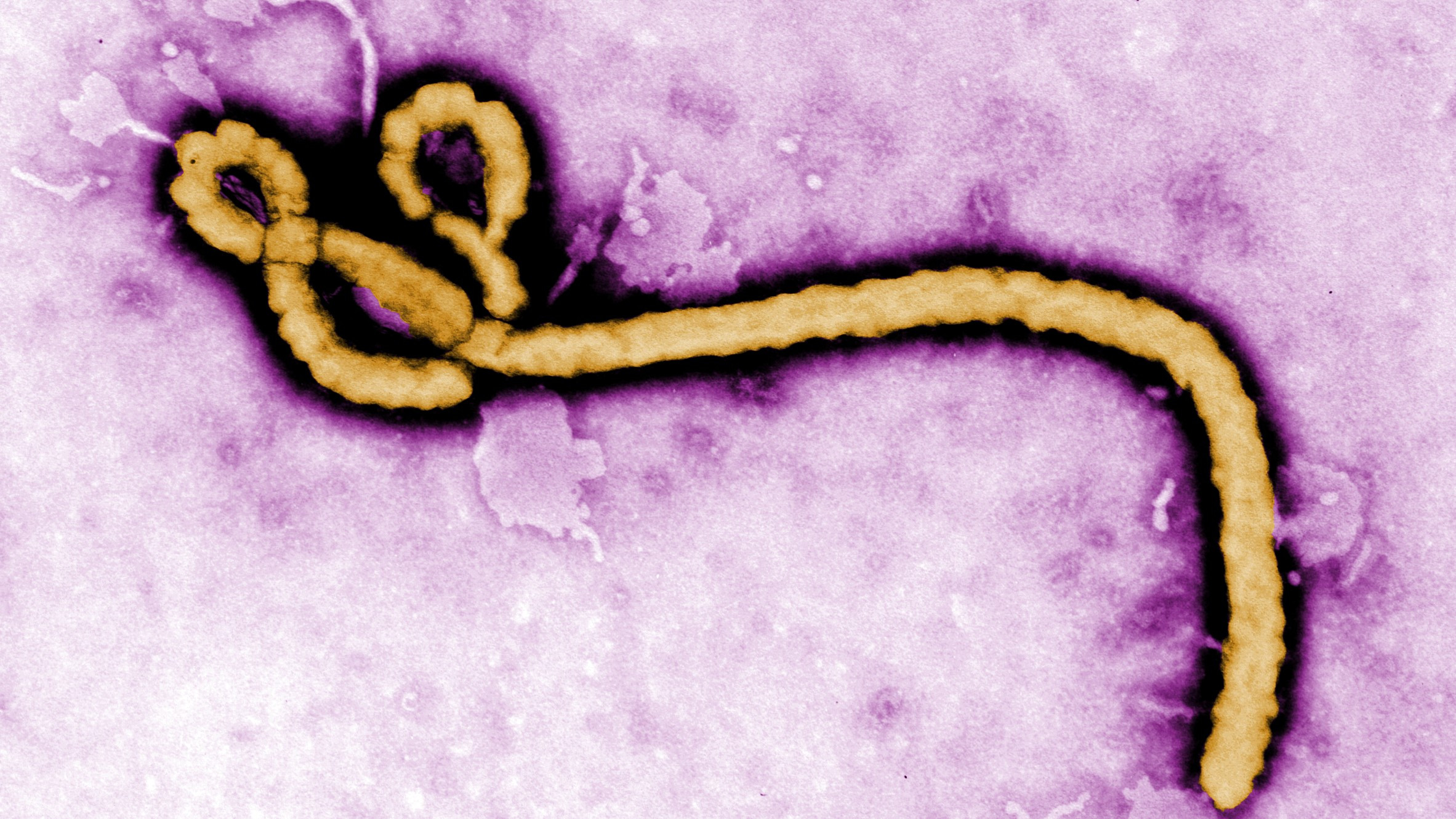
The viruses responsible for this illness belong to the Orthoebolavirus genus within the Filoviridae family. While six species have been identified to date, three are known to cause large-scale outbreaks: the Ebola virus, the Sudan virus, and the Bundibugyo virus. As noted by the Centers for Disease Control and Prevention (CDC), the virus is primarily transmitted through direct contact with the blood or body fluids of an infected person or through contact with contaminated objects.
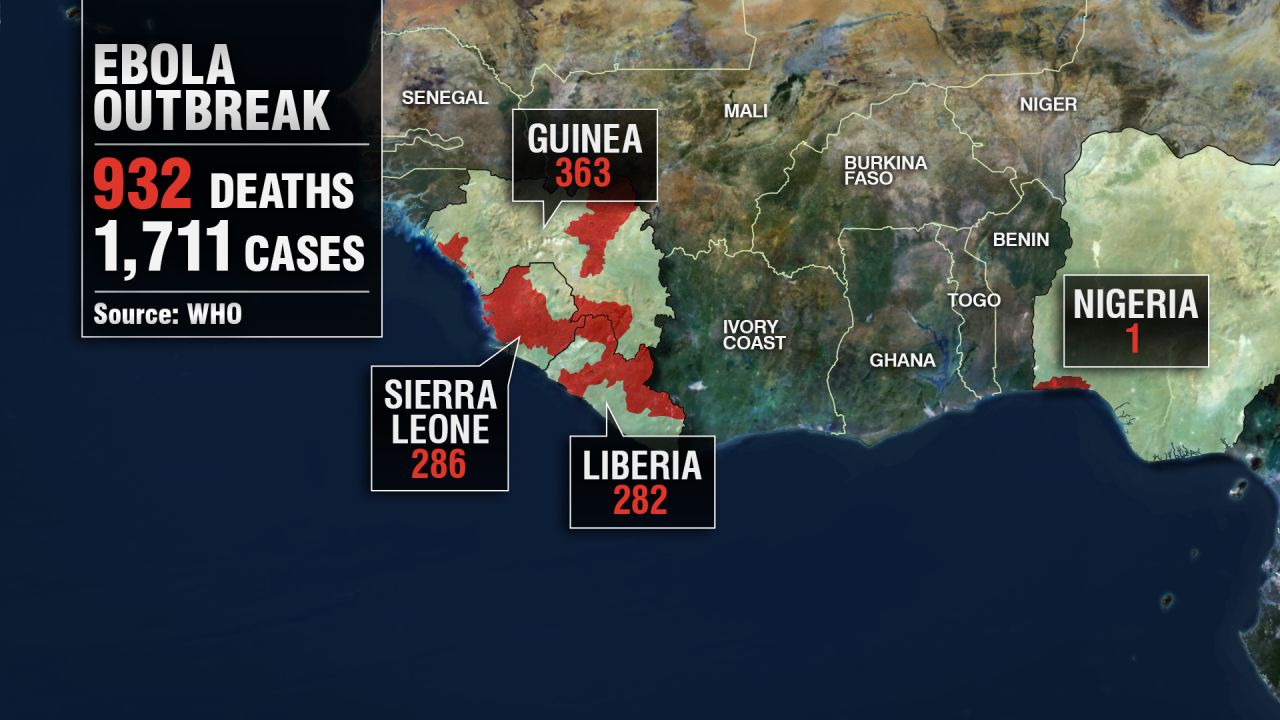
Healthcare systems in sub-Saharan Africa, where these viruses are primarily found, rely on a robust package of interventions to manage transmission. This includes intensive supportive care, rigorous infection prevention, contact tracing, and the utilization of laboratory services. In instances where an outbreak is identified, the isolation of affected areas and the monitoring of travel corridors are standard, albeit tricky, procedures designed to break the chain of transmission.
Clinical Presentation and Supportive Care
For those residing in or traveling to affected regions, recognizing the onset of symptoms is critical. The incubation period—the time between exposure and the appearance of symptoms—typically lasts between 2 and 21 days, with an average of 8 to 10 days. Early warning signs are often non-specific, frequently appearing as a sudden onset of fever, sore throat, muscle pain, and headache. As the disease progresses, patients may experience more severe symptoms, including vomiting, diarrhea, and impaired kidney and liver function.
Medical experts emphasize that early intervention is the most effective way to improve patient outcomes. While there are specific vaccines and therapeutics available for the Ebola virus species (Orthoebolavirus zairense), there are currently no approved vaccines or treatments for other species, such as the Sudan or Bundibugyo viruses. The primary standard of care remains early, intensive supportive treatment, which includes aggressive rehydration and the management of specific symptoms to support the patient’s body while it fights the infection.
Public Health Measures and Surveillance
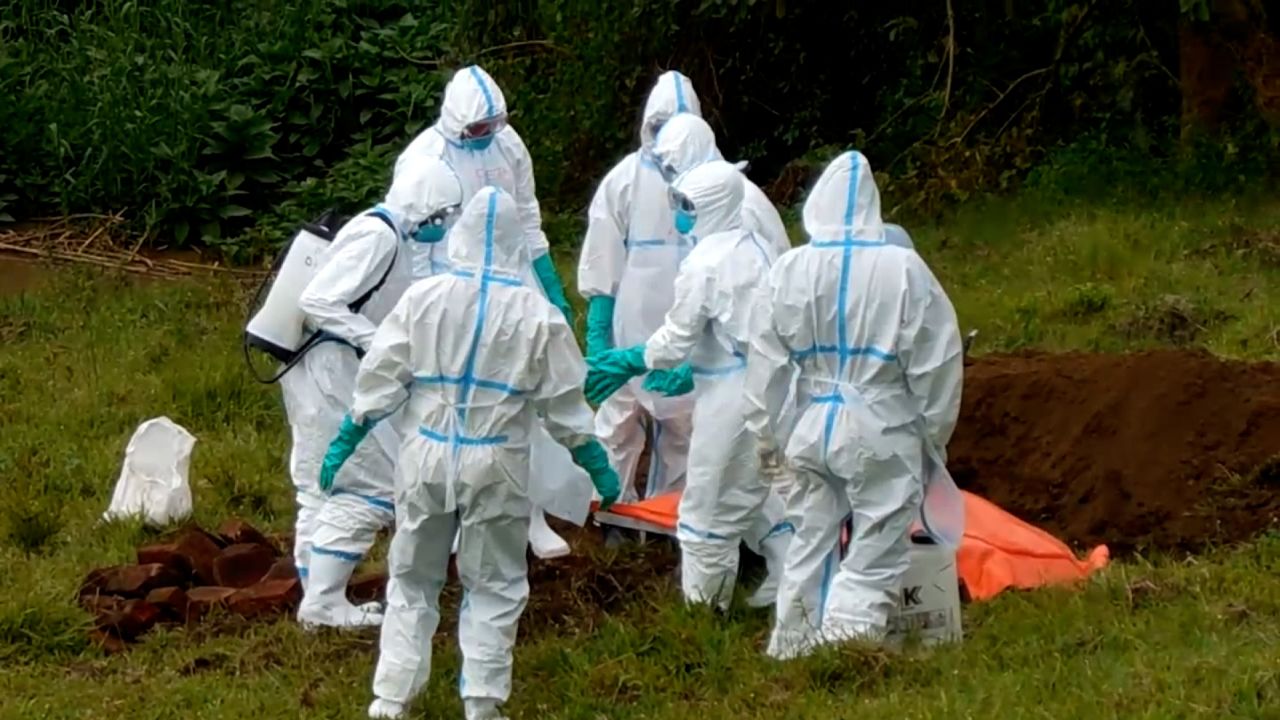
The suspension of passenger travel in affected localities is a protective measure intended to provide authorities with the space needed to conduct contact tracing and implement infection control protocols. These actions are often part of a broader strategy that includes social mobilization and the promotion of safe and dignified burial practices, which are essential to prevent the exposure of family members and community workers to the virus.
The World Health Organization highlights that outbreak control is a multi-faceted endeavor. It requires not only clinical care but also the cooperation of local populations. By limiting movement in areas where the virus is active, health officials aim to minimize the risk of the disease spreading to neighboring communities or regions where medical infrastructure may be less equipped to handle an influx of cases.
Key Takeaways for Public Awareness
- Early Detection: Symptoms typically manifest within 2 to 21 days following exposure. Seeking medical attention immediately upon the onset of fever or fatigue is vital.
- Transmission Awareness: The virus is spread through direct contact with infected bodily fluids or contaminated materials, not through casual contact.
- Supportive Care: While treatments are evolving, early rehydration and supportive medical care remain the most effective interventions for survival.
- Official Guidance: Residents in affected areas should follow directives from local health authorities, including travel restrictions and screening protocols.
As this situation evolves, the global health community continues to monitor the data provided by the DRC and regional health organizations. For those seeking the most accurate and current information, I recommend regularly consulting the official portals of the World Health Organization and the CDC, which provide updated guidance on screening, infection control, and the status of vaccine availability.
We will continue to follow this story as further updates are released by public health officials. Please share your thoughts in the comments section below, and stay tuned to World Today Journal for ongoing coverage of this and other critical health developments.
Worth a look