
Ebola Outbreak in Congo Escalates as Resident Attacks Disrupt Critical Healthcare Work
BUNIA, Congo — The fight against a rare and deadly strain of Ebola in eastern Congo is being undermined by violent attacks on healthcare workers and facilities, as mistrust and misinformation fuel resistance to containment efforts. Over the past week, three separate incidents have forced medical staff to evacuate patients, delay treatments, and scale back outreach programs in Bunia, the epicenter of the outbreak. With suspected cases nearing 1,000 and no approved vaccine or treatment available for the Bundibugyo ebolavirus, public health experts warn the situation could spiral further without urgent intervention.
The latest escalation occurred on Sunday, when a group of angry young men stormed a hospital treating Ebola patients, forcing staff to temporarily relocate infected individuals amid gunfire. The assaults reflect deep-seated skepticism toward aid workers, exacerbated by years of conflict in the region and recent cuts to global health surveillance funding. “We continue to tell them that the disease is out there,” said Vanny Birungi, a Red Cross volunteer leading public awareness campaigns. “Some accept, and others don’t.”
Birungi’s team has faced physical threats, including being pelted with stones and subjected to verbal abuse, during outreach efforts. The hostility stems from a combination of factors: decades of armed violence in the region, delayed detection of the outbreak, and conspiracy theories linking Ebola to foreign agendas. “These people should stop bothering us. They just want to get rich. Let’s not forget that Ebola is a white man’s invention,” declared Pierre Basola, a 56-year-old resident of Bunia, during a recent confrontation with aid workers.
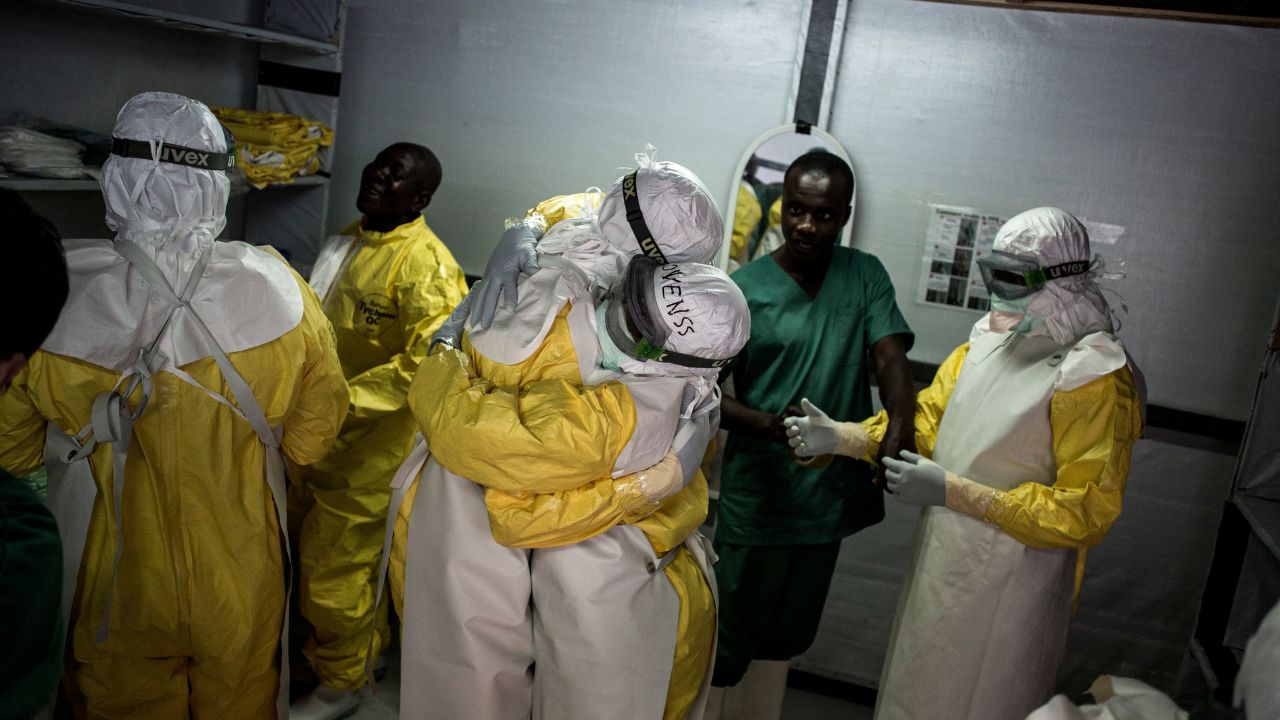
The image above depicts Birungi’s work, captured during a public sensitization campaign on May 25, 2026. Similar scenes have played out across Bunia as volunteers struggle to combat both the virus and public resistance.
Why This Ebola Strain Is Particularly Dangerous
The current outbreak involves the Bundibugyo ebolavirus, one of six known Ebola species, which has a fatality rate of up to 25% in documented cases. Unlike the more familiar Zaire ebolavirus (responsible for past West African epidemics), Bundibugyo has no licensed vaccine or antiviral treatment. The World Health Organization (WHO) classified it as a high-consequence pathogen in 2014, yet global preparedness remains limited.

Compounding the crisis is the outbreak’s late detection. Experts cited in AP reports attribute delays to weakened surveillance systems, partly due to reduced U.S. And international aid funding over the past five years. “Trust is hard to find among a traumatized population,” Birungi noted, adding that residents associate outsiders with past violence rather than public health.
Who Is Affected and How?
The attacks have direct consequences for three critical groups:

- Healthcare workers: At least 12 aid personnel have reported threats or physical assaults in the past month, according to Red Cross internal reports. Birungi’s team has scaled back door-to-door campaigns due to safety concerns.
- Ebola patients: Delays in treatment and evacuation of infected individuals increase the risk of transmission. The Bunia hospital where Sunday’s attack occurred had to relocate 17 confirmed cases to a secure facility.
- Local communities: Misinformation about Ebola’s origins has led to boycotts of health services. Basola’s quote—”Ebola is a white man’s invention”—reflects a broader narrative that aid efforts are exploitative rather than humanitarian.
Beyond human costs, the economic toll is severe. Bunia’s economy, already strained by displacement, could face further disruption if the outbreak spreads to nearby markets. The Congolese government has declared a state of emergency in Ituri Province, but enforcement remains challenging in areas controlled by armed groups.
Next Steps: Containment and Communication
Public health officials are pursuing a multi-pronged approach:
- Enhanced security: The WHO has deployed additional armed escorts for medical convoys, though logistical constraints persist in remote regions.
- Community engagement: Local leaders, including members of the Congo Scouts movement, are being trained to deliver messages in culturally sensitive ways.
- International support: The European Union has pledged €5 million for rapid response teams, while the U.S. Centers for Disease Control and Prevention (CDC) is coordinating with Congolese authorities to deploy mobile labs for faster testing.
Yet challenges remain. “We’re racing against time,” said a WHO spokesperson in a May 24 briefing. “The longer this goes on, the harder it will be to contain.”
Key Takeaways
- The Bundibugyo ebolavirus has no vaccine or treatment, with a fatality rate up to 25%. Suspected cases in Congo now exceed 900.
- Violent attacks on healthcare facilities—three in the past week—have forced evacuations and delayed treatments.
- Public distrust, fueled by conspiracy theories and past conflicts, is hindering containment efforts.
- Global aid cuts have weakened surveillance, contributing to the outbreak’s late detection.
- Next updates: WHO will hold a press briefing on May 28 to assess containment progress.
As the situation evolves, the World Today Journal will continue to monitor developments and provide verified updates. We urge readers to share this article and encourage comments below on how global health crises like this one can be addressed with greater community trust and international cooperation.
For official advisories, visit:
Keep reading