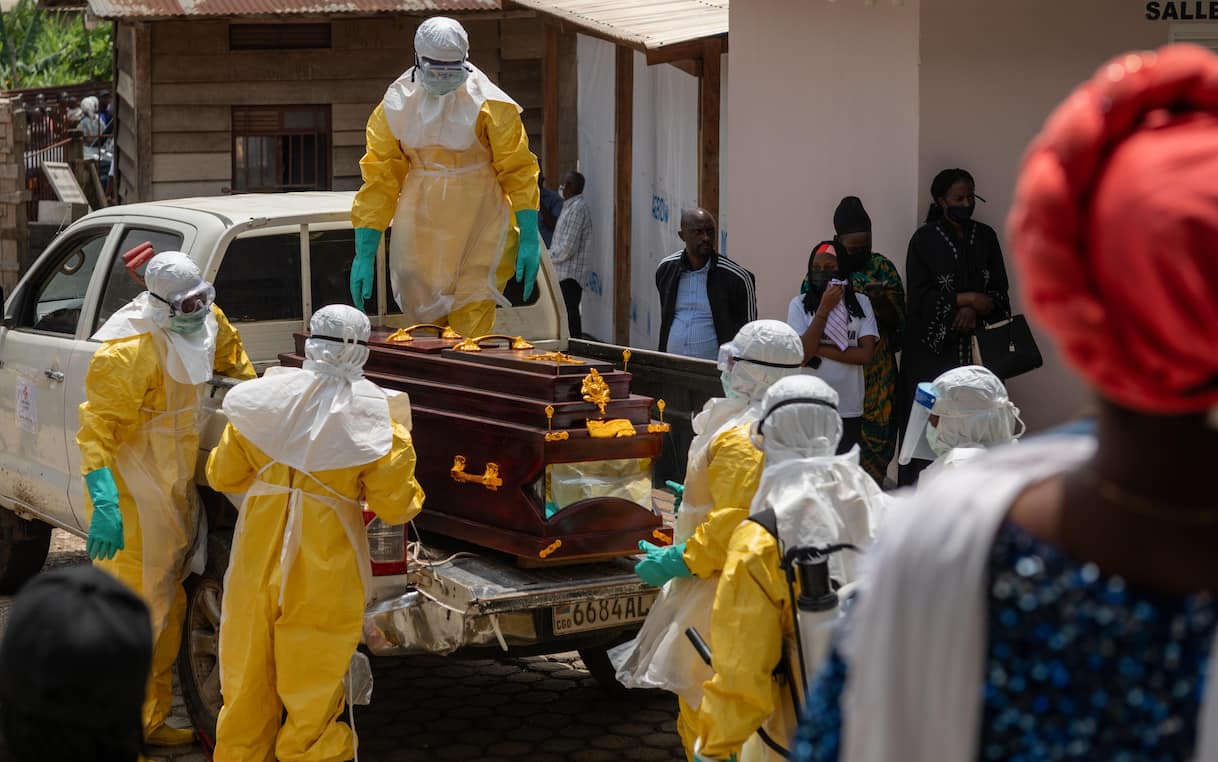
As the Democratic Republic of Congo (DRC) grapples with a challenging Ebola outbreak, international health authorities are intensifying their response to contain the spread of the virus. The current health emergency has resulted in more than 200 suspected deaths and over 850 suspected cases, according to recent reports from the International Federation of Red Cross and Red Crescent Societies. As a physician, I recognize that the path to stabilizing such a crisis requires not only rapid medical intervention but also the protection of the frontline workers who serve as the backbone of the humanitarian response.
The outbreak, which involves the rare Bundibugyo species of the Ebola virus, has placed a significant strain on local health systems. The World Health Organization (WHO) has underscored the gravity of the situation, recently escalating the public health risk assessment for the DRC from “high” to “very high.” This adjustment reflects the urgent need for coordinated efforts to manage patient care, ensure the safety of burial practices, and strengthen regional surveillance to prevent further transmission across borders.
The Human Cost of the Ebola Crisis
The human toll of this epidemic is profound, reaching even those dedicated to saving others. Recently, three Red Cross volunteers—Alikana Udumusi Augustin, Sezabo Katanabo, and Ajiko Chandiru Viviane—lost their lives to the virus. These individuals were working in the town of Mongwalu, which is currently identified as a primary epicenter of the outbreak. Reports indicate that they likely contracted the virus while managing human remains before the specific nature of the outbreak was fully identified by health officials, as noted by the International Federation of Red Cross and Red Crescent Societies. Their deaths serve as a somber reminder of the extreme risks faced by humanitarian personnel who operate in high-threat environments.
Medical experts emphasize that the remains of Ebola patients remain highly infectious due to the presence of bodily fluids, necessitating strictly managed, safe, and dignified burial protocols. The loss of these volunteers highlights the critical importance of rigorous infection prevention and control (IPC) training, as well as the availability of personal protective equipment for all community health workers, regardless of their primary project focus.
Regional Challenges and Border Surveillance
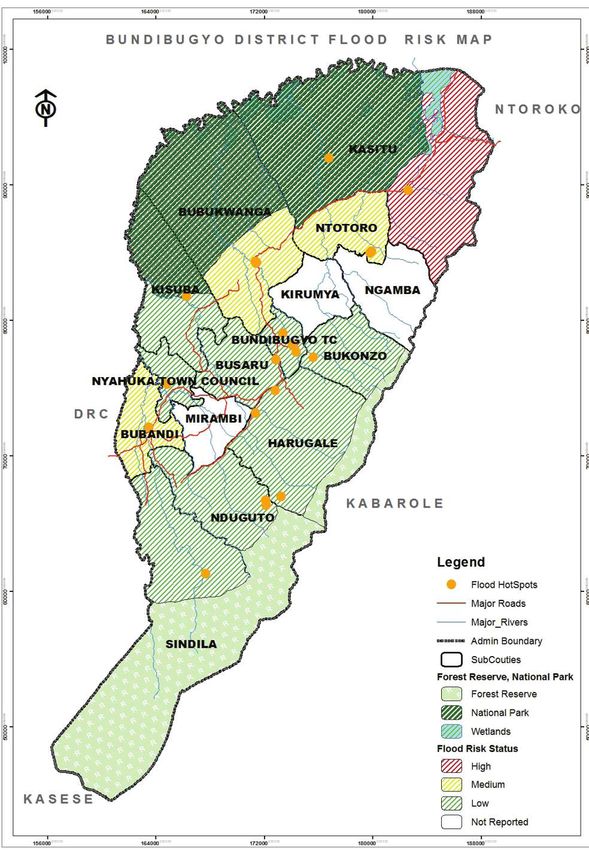
The risk of cross-border transmission remains a primary concern for the international community. The African Centres for Disease Control has flagged that several other nations on the continent are at risk, necessitating heightened vigilance and regional cooperation. The neighboring country of Uganda has already confirmed five cases of the virus, underscoring how quickly an epidemic can transcend geographic boundaries when surveillance and containment measures are not sufficiently robust.
The Bundibugyo strain of the virus poses unique challenges, as there is currently no proven vaccine available to treat or prevent this specific species. This reality necessitates a primary focus on supportive care—managing symptoms, maintaining hydration, and providing specialized medical monitoring—to improve patient outcomes. The WHO has indicated that while the risk to the wider African region remains high, the global threat level remains low, provided that aggressive containment strategies are maintained at the source.
Prioritizing Essential Medical Care
Humanitarian organizations, including Médecins Sans Frontières (MSF), continue to navigate extreme conditions to deliver medical assistance. Their work involves providing critical care to those affected while simultaneously advocating for the resources needed to address the gaps in testing and treatment infrastructure. As highlighted in recent institutional updates, the mission remains focused on reaching those affected by epidemics and ensuring that healthcare delivery is not interrupted by the surrounding conflict or logistical barriers.
The complexity of this response is compounded by the need to maintain trust within local communities. Health interventions, particularly during an epidemic, rely heavily on community engagement to ensure that medical facilities are utilized and that safe practices are followed. Ensuring the safety of healthcare facilities and the personnel within them is essential to maintaining the continuity of care during this volatile period.
Key Takeaways for Public Health Monitoring
- Outbreak Status: The DRC is managing an outbreak of the Bundibugyo species of Ebola, with over 850 suspected cases reported.
- Risk Assessment: The WHO has elevated the public health risk in the DRC to “very high,” citing the potential for regional spread.
- Regional Impact: Uganda has confirmed cases, prompting international health bodies to coordinate surveillance efforts across neighboring borders.
- Operational Hazards: The virus is notably infectious post-mortem, requiring specialized protocols for the management of dead bodies to prevent community transmission.
As this situation develops, the global health community awaits further updates from the World Health Organization and regional health ministries regarding the efficacy of ongoing containment measures. Monitoring the status of border screening and the expansion of treatment centers will be essential in the coming weeks. For those interested in following the official progress, the World Health Organization provides regular situation reports on public health emergencies of international concern.

We will continue to provide updates as new information becomes available. If you have questions regarding the clinical aspects of this outbreak or public health policy, please feel free to share your thoughts in the comments section below.
Keep reading