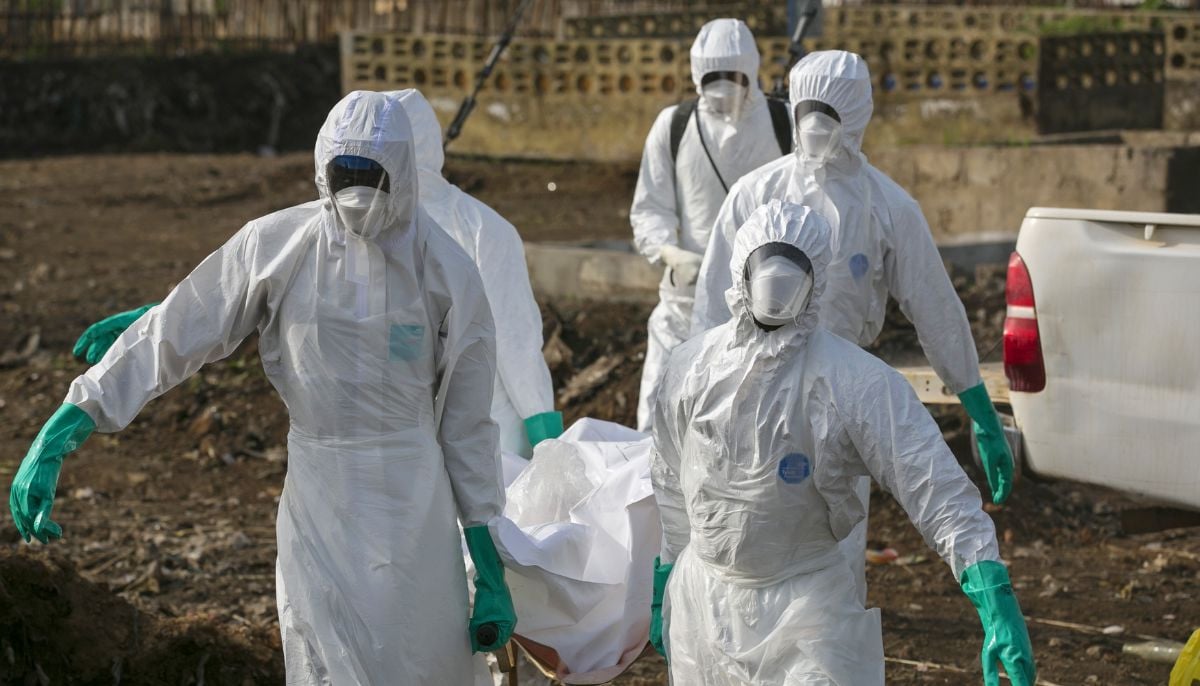
The Democratic Republic of the Congo (DRC) continues to navigate the complex challenges of managing infectious disease outbreaks in a region defined by both immense resilience and significant logistical hurdles. As health authorities and international partners coordinate responses to various health crises, community leaders in affected areas like Bunia—the capital of Ituri Province—have become vital conduits for public health messaging and humanitarian support. Amidst these ongoing efforts, calls for international attention and local solidarity remain a persistent feature of the humanitarian landscape in eastern DRC.
Reverend Bisoke Balikenga, a prominent figure in the Bunia community, has frequently highlighted the profound desperation and socio-economic strain faced by residents living in areas impacted by health emergencies. The challenges in Bunia are often compounded by broader regional instability, which complicates the delivery of medical supplies and the implementation of containment protocols. Addressing the Ebola outbreak and other health threats requires not only clinical intervention but also deep engagement with local leaders who understand the cultural nuances of their communities.
Monitoring the evolution of health crises in the DRC is essential for global health security. According to the World Health Organization (WHO), previous outbreaks in the North Kivu and Ituri provinces have underscored the critical need for a multi-sectoral approach, involving local civil society, faith-based organizations, and international governmental bodies to ensure that containment strategies are both effective and culturally accepted.
Understanding the Humanitarian Context in Ituri
The city of Bunia serves as a central hub for commerce and humanitarian logistics in the Ituri province. Its strategic importance means that health outbreaks in this region often require a rapid, coordinated response from the DRC Ministry of Health and international agencies. The intersection of sporadic conflict and public health mandates creates a unique environment where community leaders, including clergy, play an instrumental role in bridging the gap between medical professionals and the public.

When health crises intensify, the primary focus for aid organizations is to bolster existing healthcare infrastructure. This involves ensuring that treatment centers are adequately stocked with personal protective equipment (PPE), rehydration supplies, and isolation facilities. For those living in densely populated urban centers or remote rural villages, the uncertainty surrounding an outbreak can lead to significant psychological distress, which is where the pastoral role of figures like Reverend Balikenga becomes a source of stability for the affected population.
The Role of Community Engagement in Disease Containment
Experience from past health emergencies in the DRC has demonstrated that top-down directives are rarely sufficient on their own. Instead, successful containment relies on community-led initiatives. Trust is the primary currency in public health; when residents feel heard and supported by their local leaders, they are more likely to comply with safety guidelines such as safe burial practices, contact tracing, and early reporting of symptoms. This collaborative model is essential for breaking the chain of transmission.
International observers often emphasize that the “desperation” cited by local stakeholders is usually a reflection of systemic resource shortages. To mitigate these impacts, international donors and non-governmental organizations (NGOs) must prioritize the sustainability of local health systems. The Centers for Disease Control and Prevention (CDC) provides technical guidance and resources to assist in these global efforts, emphasizing the importance of rapid surveillance and laboratory capacity in preventing the cross-border spread of viral hemorrhagic fevers.
Moving Toward Sustainable Health Security
What happens next in the fight against regional health threats depends on the sustained commitment of global stakeholders. The international community, through mechanisms like the WHO’s health emergency programs, continues to track epidemiological trends across the Congo Basin. For the residents of Bunia and the surrounding provinces, the focus remains on strengthening the resilience of local clinics and ensuring that humanitarian aid reaches those most in need.

The next official updates regarding health surveillance in the region can be found through the WHO Disease Outbreak News portal, which provides verified data on ongoing health threats globally. As the situation evolves, the importance of accurate reporting and community-centered care remains paramount. We invite our readers to share their thoughts and stay informed by following our ongoing coverage of global health initiatives and geopolitical developments in the region.
Related reading