
An Ebola outbreak in the Democratic Republic of Congo (DRC) is raising urgent alarms among global health authorities, as the virus spreads faster than recent epidemics and threatens to overwhelm already strained healthcare systems. With a fatality rate potentially reaching 50% for this particular strain, the situation has prompted neighboring countries to implement strict border measures while international health organizations scramble to deploy resources. The World Health Organization (WHO) and the DRC’s Ministry of Health are coordinating an emergency response, but experts warn the outbreak’s rapid progression could lead to devastating consequences if containment efforts fail.
This is not the first time the DRC has faced an Ebola crisis—it has experienced more outbreaks than any other country—but the current epidemic stands out due to its speed and geographic spread. Health officials are particularly concerned about the virus’s presence in densely populated urban areas, where transmission risks are higher. Meanwhile, international aid organizations are calling for increased funding and support to prevent the outbreak from spiraling into a regional health emergency.
As of May 19, 2026, the exact number of confirmed cases remains under investigation, but early reports suggest a sharp increase in infections compared to previous weeks. The situation underscores the ongoing challenges in combating Ebola, particularly in conflict-affected regions where access to medical care and surveillance is limited. Below, we break down the key developments, the risks to public health, and what the international community is doing to respond.
At a Glance
- Current strain: Ebola virus (species Orthoebolavirus zairense), with a fatality rate potentially reaching 50%
- Location: Democratic Republic of Congo, with potential spillover risks to neighboring countries
- Transmission: Direct contact with bodily fluids, contaminated surfaces, or infected animals
- Response: WHO and DRC health authorities have activated emergency protocols, including vaccination campaigns and border controls
- Global concern: Neighboring nations like Uganda and Rwanda have heightened surveillance and travel restrictions
Why This Outbreak Is Different
The current Ebola outbreak in the DRC is distinguished by several critical factors that set it apart from previous epidemics. First, the virus appears to be spreading more rapidly than in past outbreaks, a trend that health officials attribute to a combination of factors, including:
- Urban transmission: Unlike earlier outbreaks that were largely confined to rural areas, this epidemic has reached major cities, increasing the risk of human-to-human spread in crowded settings.
- Healthcare system strain: The DRC’s healthcare infrastructure has been weakened by years of conflict and underfunding, leaving hospitals and clinics ill-equipped to handle a large-scale outbreak.
- Delayed response: Early warnings were slow to trigger a full-scale international response, allowing the virus to gain a foothold in multiple regions before containment measures could be fully implemented.
According to the World Health Organization, the average fatality rate for Ebola virus disease (EVD) caused by the Orthoebolavirus zairense strain ranges from 25% to 90%, with earlier outbreaks averaging around 50%. The exact fatality rate for this outbreak remains under assessment, but preliminary data suggests it aligns with the higher end of this spectrum. This has prompted the WHO to classify the situation as a public health emergency of international concern (PHEIC), a designation reserved for the most severe global health threats.
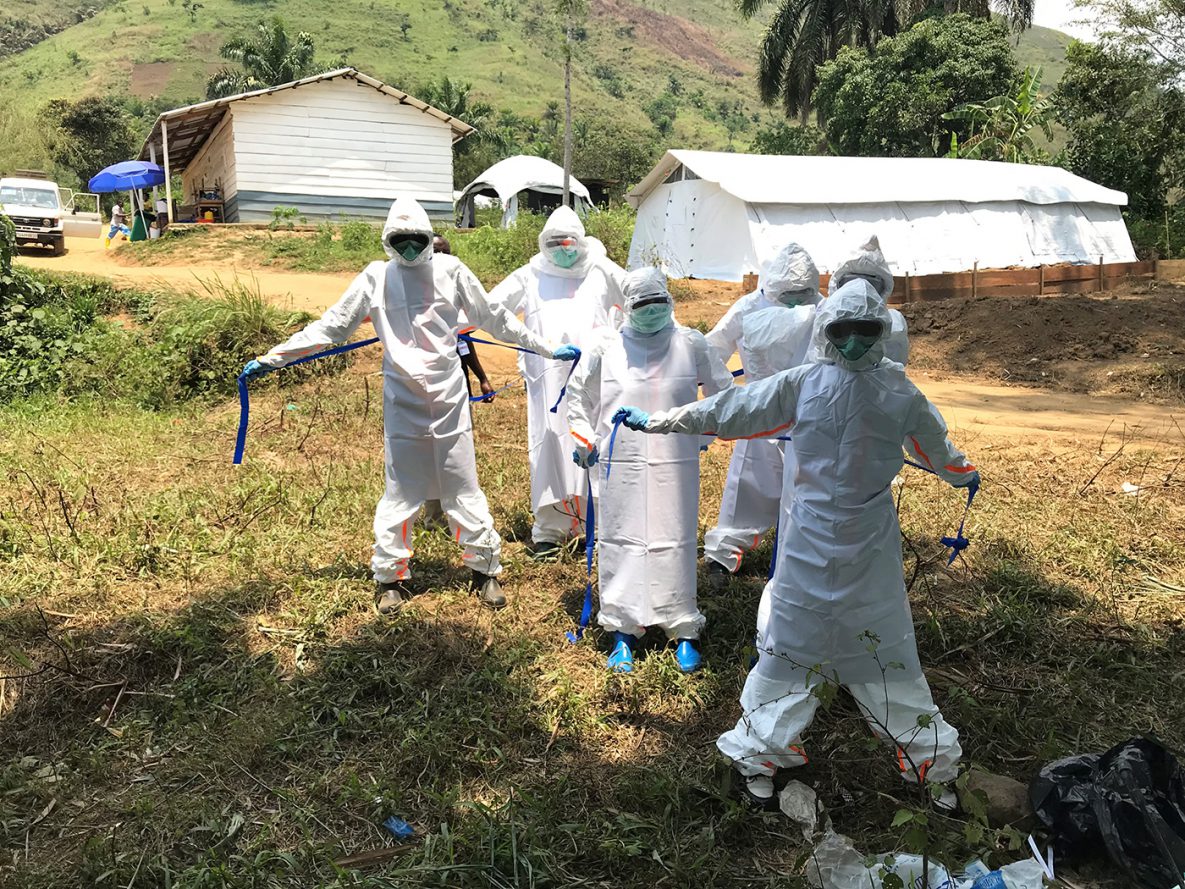
The DRC’s Ministry of Health has confirmed that the outbreak is being monitored closely, with teams deployed to affected regions to conduct contact tracing, isolate infected individuals, and administer experimental treatments where available. However, challenges such as limited laboratory capacity and logistical hurdles in remote areas continue to hinder efforts.
Regional and International Response
The outbreak has triggered a coordinated response from regional and international health bodies. Neighboring countries, including Uganda and Rwanda, have taken preemptive measures to prevent cross-border transmission. Uganda, for instance, has banned public gatherings, restricted handshakes and hugs, and increased screening at border crossings. Rwanda has reinforced its surveillance systems and is working with the WHO to monitor travelers entering from the DRC.
France, which maintains a military presence in the region, has expressed “very high concern” about the outbreak and is implementing precautionary measures in its overseas territories, particularly Mayotte, where travel restrictions and health screenings have been tightened. The French government has urged its citizens in the DRC to avoid non-essential travel to high-risk areas and to seek immediate medical attention if symptoms arise.
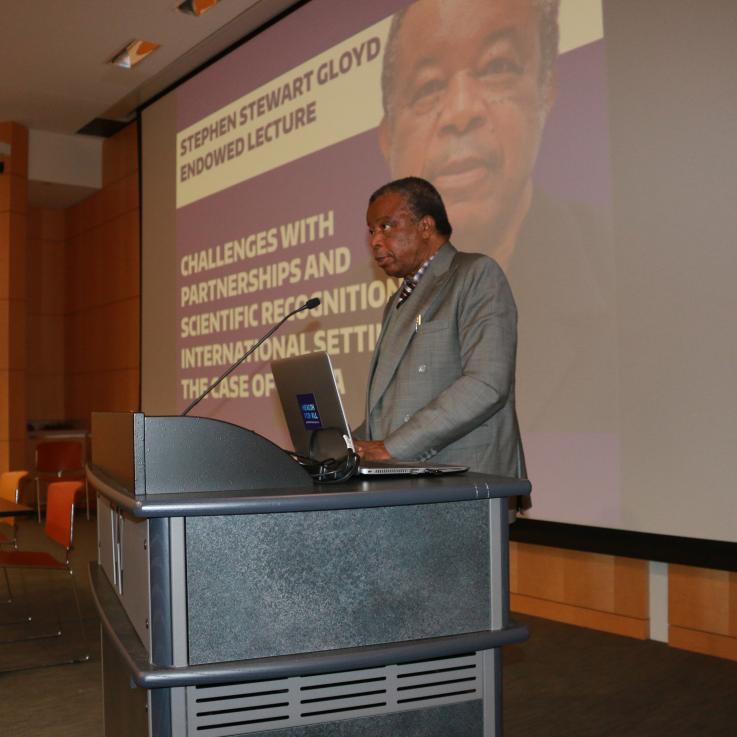
“The decision by Western donors to reduce aid in recent years has contributed significantly to the weakening of the DRC’s health surveillance chain. This outbreak is a stark reminder of the consequences of underinvestment in public health infrastructure.”
The WHO has deployed emergency teams to the DRC to support vaccination campaigns, laboratory testing, and infection control efforts. The organization is also working with pharmaceutical companies to accelerate the distribution of experimental treatments, including the FDA-approved cocktail therapy INMAZEB (atoltivimab/maftivimab/odesivimab), which has shown promise in reducing mortality rates in previous outbreaks. However, access to these treatments remains limited due to supply constraints and logistical challenges.
What Travelers and the Public Should Know
For travelers, the risk of contracting Ebola remains low outside of the DRC’s affected regions, but precautions are advised. The U.S. Centers for Disease Control and Prevention (CDC) and other health authorities recommend:

- Avoiding travel to areas where Ebola transmission is confirmed or suspected.
- Following strict hygiene practices, including frequent handwashing and avoiding contact with bodily fluids.
- Monitoring for symptoms such as fever, muscle pain, and unexplained bleeding, and seeking medical attention immediately if these occur.
- Checking government travel advisories before planning trips to the DRC or neighboring countries.
The CDC provides detailed guidance for travelers, including recommendations for those who may have been exposed to the virus. It is also crucial to note that Ebola does not spread through casual contact or the air, but rather through direct contact with infected bodily fluids or contaminated surfaces.
Challenges Ahead: Funding, Logistics, and Misinformation
One of the greatest challenges in combating this outbreak is securing sufficient funding. International aid organizations have warned that current funding levels are inadequate to meet the scale of the response required. The WHO has launched an appeal for $100 million to support its emergency response efforts, but as of May 2026, only a fraction of this amount has been pledged. This shortfall threatens to delay critical interventions, such as vaccination campaigns and the expansion of treatment centers.
Logistical hurdles further complicate the response. The DRC’s vast and often inaccessible terrain makes it difficult to reach remote communities where the virus may be spreading undetected. Ongoing conflict in some regions has disrupted health services and made it harder to deploy aid workers safely.
Misinformation is another significant obstacle. In past Ebola outbreaks, rumors and false information have fueled stigma, discouraged people from seeking medical care, and hindered containment efforts. Health authorities are working to counter these narratives through community engagement and targeted public health messaging, but the task is daunting in a region with limited access to reliable information.
Looking Ahead: The Path to Containment
The next critical checkpoint in this outbreak will be the WHO’s emergency committee meeting, scheduled for June 2, 2026, to reassess the situation and determine whether the PHEIC designation should be extended or modified. The committee will review data on the outbreak’s trajectory, the effectiveness of containment measures, and the global risk of further spread.
In the meantime, health officials are focusing on three key priorities:
- Scaling up vaccination: The DRC has secured a limited supply of the Ervebo vaccine, developed by Merck, which has proven highly effective in preventing Ebola virus disease. Efforts are underway to expand vaccination efforts to high-risk populations, including healthcare workers and close contacts of infected individuals.
- Strengthening surveillance: Mobile testing units are being deployed to rural and hard-to-reach areas to improve case detection and reduce the risk of undetected transmission.
- Enhancing community engagement: Local leaders and health workers are being trained to educate communities about Ebola prevention, debunk myths, and encourage early reporting of symptoms.
While the road to containment is fraught with challenges, there is reason for cautious optimism. The global health community has learned valuable lessons from past Ebola outbreaks, and the tools available today—such as vaccines, experimental treatments, and improved surveillance—offer a stronger foundation for response efforts. However, success will depend on sustained international support, coordinated action, and the cooperation of affected communities.
Stay Informed and Take Action
This is a developing story, and new information will emerge as the situation evolves. For the latest updates, follow official sources:
- World Health Organization (WHO) Ebola Dashboard
- U.S. Centers for Disease Control and Prevention (CDC)
- Médecins Sans Frontières (MSF) Ebola Response
If you have concerns about travel or health risks, consult your local health authority or a medical professional. Share this article to raise awareness, and join the conversation below—what questions do you have about Ebola prevention or the global response?
Key Takeaways
- The current Ebola outbreak in the DRC is spreading rapidly, with a potential fatality rate of up to 50% for this strain.
- Urban transmission and strained healthcare systems are major concerns, increasing the risk of widespread spread.
- Neighboring countries like Uganda and Rwanda have implemented border controls and heightened surveillance.
- France and other nations are monitoring the situation closely, with precautionary measures in place for travelers.
- Funding shortages and logistical challenges threaten to delay critical response efforts.
- The WHO’s emergency committee will reassess the situation on June 2, 2026.
Related reading