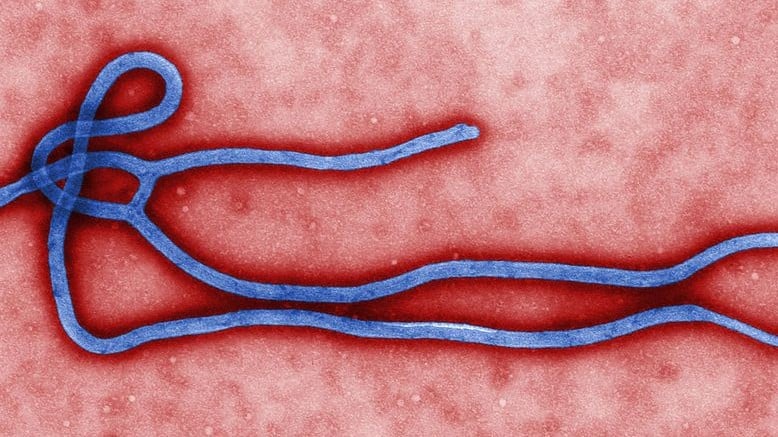
Ebola disease is a severe, often fatal illness in humans caused by viruses belonging to the Orthoebolavirus genus. While recent public concern has focused on international travel and potential exposure, health authorities emphasize that the virus does not spread through the air like respiratory illnesses such as influenza or COVID-19. According to the Centers for Disease Control and Prevention (CDC), individuals cannot contract Ebola simply by being in the proximity of an infected person.
As of June 2026, the global health community continues to monitor for cases of this zoonotic viral hemorrhagic fever. Understanding the transmission dynamics and the nature of the virus is essential for public safety. Ebola is primarily transmitted through direct contact with the blood or body fluids of an infected person, or through contact with contaminated objects, as reported by the World Health Organization (WHO).
Understanding the Orthoebolavirus Genus
Ebola disease is caused by a group of viruses known as orthoebolaviruses. While six species have been identified, only four are known to cause illness in humans: Ebola virus, Sudan virus, Taï Forest virus, and Bundibugyo virus. Among these, the Ebola virus, Sudan virus, and Bundibugyo virus are specifically recognized for their potential to trigger large-scale outbreaks, according to the WHO.
The virus was first identified in 1976 during two simultaneous outbreaks: one in Nzara, in what is now South Sudan, and another in Yambuku, in the Democratic Republic of the Congo. The latter occurred near the Ebola River, which provided the name for the disease. It is primarily found in sub-Saharan Africa, where it maintains a zoonotic presence, meaning it can jump from animals to humans, according to the CDC.
Symptoms and Clinical Progression
The clinical course of Ebola begins with an incubation period—the time from exposure to the onset of symptoms—typically lasting between two and 21 days. On average, symptoms manifest eight to 10 days after exposure. Early signs of the disease are often non-specific and can include fever, sore throat, muscle pain, and headaches, as detailed by the WHO.
As the disease progresses, patients may develop more severe symptoms, including vomiting, diarrhea, and a rash. Hepatic and renal dysfunction are common complications. In some cases, patients experience internal and external bleeding. The mortality rate for the disease varies significantly between outbreaks, ranging from 25% to 90%, with an overall average of approximately 50%, according to the WHO.
Treatment and Outbreak Control
The prognosis for an individual with Ebola is heavily dependent on the specific viral species involved and the speed at which medical intervention is sought. Early, intensive supportive care, which focuses on rehydration and the management of specific symptoms, is critical and can be lifesaving, according to the WHO.

Currently, approved vaccines and therapeutics are available specifically for the Ebola virus species. For other forms of the disease, such as Sudan virus disease or Bundibugyo virus disease, no approved vaccines or treatments exist, though candidate products remain in development. Public health interventions for managing outbreaks include:
- Strict infection prevention and control protocols.
- Comprehensive disease surveillance and contact tracing.
- Access to specialized laboratory services.
- Implementation of safe and dignified burial practices.
- Social mobilization and community engagement.
For the latest guidance on screening, testing, and infection control, healthcare providers are encouraged to consult official resources provided by the CDC regarding viral hemorrhagic fevers.
As the situation regarding infectious disease monitoring evolves, readers are encouraged to stay informed through official public health channels. Please check back with the World Today Journal for further updates as verified reports become available.
Related reading