
Public health authorities are currently managing distinct viral surveillance efforts as the Democratic Republic of the Congo (DRC) and Uganda navigate localized health challenges, while the U.S. Centers for Disease Control and Prevention (CDC) prepares its international health strategy for the 2026 FIFA World Cup. Ebola virus disease remains a significant concern in Central Africa, requiring consistent monitoring and cross-border collaboration to prevent regional spread. Simultaneously, the CDC is integrating global health security protocols into its operational planning for the upcoming tournament, which will be hosted across North America.
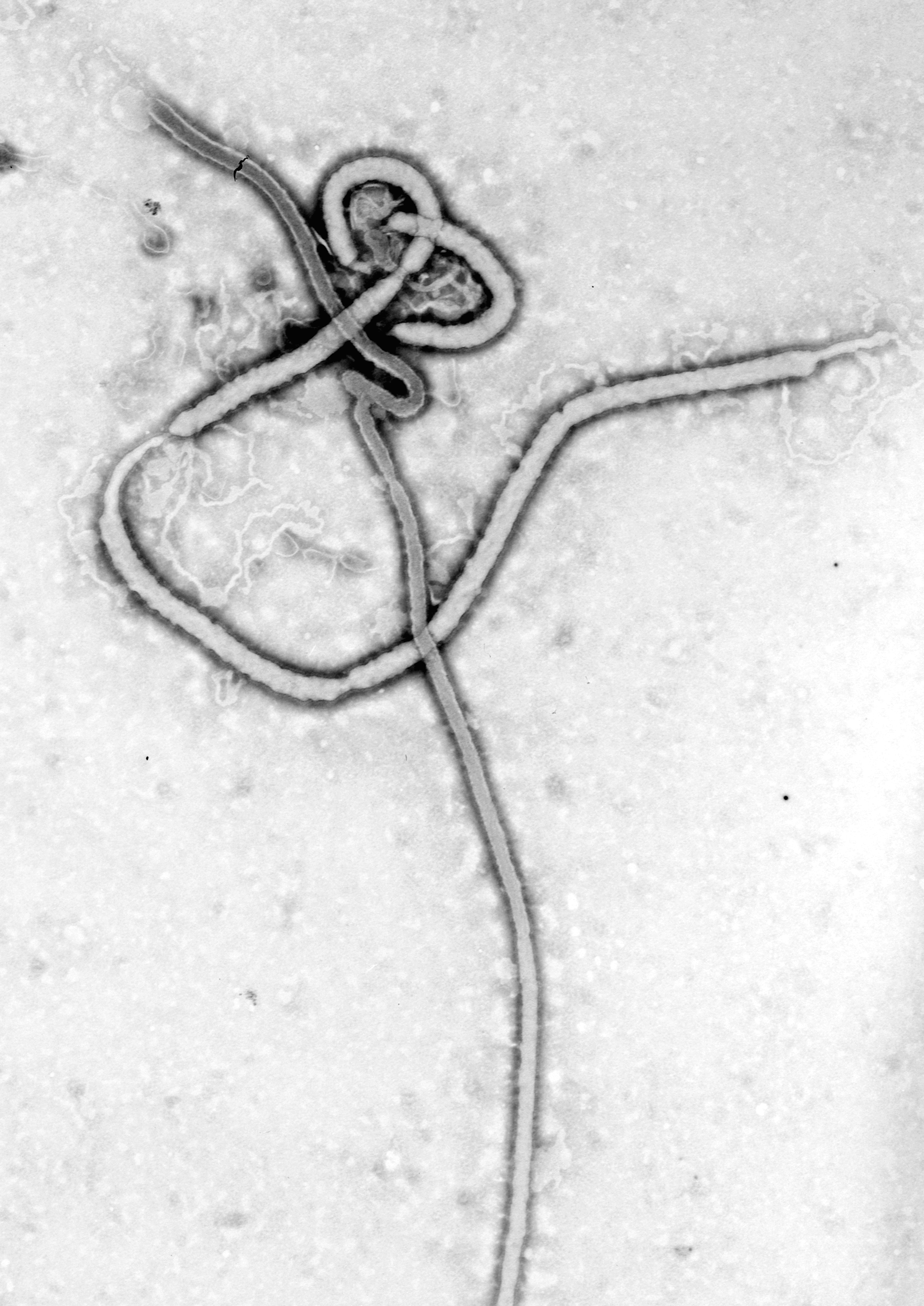
According to the World Health Organization (WHO), Ebola is a severe, often fatal illness in humans, characterized by sudden onset of fever, fatigue, muscle pain, headache, and sore throat. Managing these outbreaks requires rapid response, including contact tracing, safe burial practices, and the deployment of vaccines in high-risk areas. The DRC, in particular, has faced recurring outbreaks due to the persistence of the virus in animal reservoirs and the complexity of providing healthcare in conflict-affected regions.
Ebola Surveillance in the DRC and Uganda
The Democratic Republic of the Congo frequently reports outbreaks of Ebola, often concentrated in the eastern provinces. Health officials prioritize the use of the rVSV-ZEBOV vaccine, which has proven effective in ring vaccination strategies. As noted by the CDC, the virus is transmitted through direct contact with the blood, secretions, organs, or other bodily fluids of infected people, and with surfaces and materials contaminated with these fluids. Surveillance teams in both the DRC and Uganda maintain heightened vigilance at border crossings to identify potential symptomatic travelers, a measure that proved critical during the 2022 Sudan ebolavirus outbreak in Uganda.

Uganda, having successfully contained the 2022 outbreak through robust public health interventions, continues to refine its diagnostic capacity. The WHO Regional Office for Africa emphasizes that early detection remains the most effective tool to mitigate the impact of hemorrhagic fevers. Both nations coordinate with international partners to ensure that laboratory testing and treatment centers remain equipped to handle potential surges, maintaining a state of readiness that protects both local populations and international visitors.
CDC Public Health Strategy for World Cup 2026
As the United States, Canada, and Mexico prepare to host the 2026 FIFA World Cup, the CDC is expanding its global health security initiatives. Large-scale international events present unique challenges for infectious disease monitoring, as mass gatherings facilitate the rapid movement of pathogens across borders. The CDC’s strategy involves enhancing laboratory surveillance and strengthening communication channels with international health ministries to ensure real-time reporting of public health threats.
According to CDC Global Health directives, the agency is focusing on “Global Health Security Agenda” (GHSA) goals, which include preventing, detecting, and responding to biological threats. For the 2026 tournament, this includes:
- Increasing the capacity of regional health systems to conduct rapid genomic sequencing.
- Establishing data-sharing agreements to monitor travel-related illness in real time.
- Implementing public health preparedness training for local host city officials.
The agency’s involvement is not limited to localized outbreaks but extends to the broader goal of international health regulation compliance. By integrating these surveillance tools, the CDC aims to minimize the risk of imported infectious diseases during the tournament, ensuring that medical resources remain available for both residents and the millions of expected attendees.
Why Global Surveillance Matters
The connection between regional outbreaks in Central Africa and global events like the World Cup lies in the interconnected nature of modern travel. Pathogens that emerge in remote areas can reach international transit hubs within hours. The WHO guidance on mass gatherings stresses that successful health outcomes depend on strong surveillance systems that operate independently of the specific event. By investing in the health infrastructure of nations like the DRC and Uganda, global health agencies create a buffer that protects the entire international community.
For the public, the current focus remains on official advisories. Travelers to Central Africa are encouraged to consult the CDC Travelers’ Health website for the latest destination-specific guidance. As the 2026 World Cup approaches, the CDC is expected to release further details regarding specific health protocols for participants and fans, likely centered on standard vaccination requirements and symptom monitoring.
The next major update regarding regional Ebola surveillance is expected via the WHO’s weekly bulletin on outbreaks and other emergencies. Readers interested in the latest developments are encouraged to monitor the WHO Disease Outbreak News portal. We welcome your questions and perspectives on these global health initiatives in the comments section below.
- Overcoming Stock Addiction: Expert Psychiatrist Dr. Park Jong-seok Shares His Recovery Story
- New England Journal of Medicine Ahead of Print: Latest Medical Research & Studies
- Huntsville Shooting and Cyclospora Outbreak Updates (news-usa.today)
- 5,500-Year-Old Teeth Reveal Earliest Plague Outbreak (archyde.com)