As global health authorities continue to monitor the landscape of infectious diseases, the persistent threat of Ebola virus disease remains a critical focus for international public health organizations. While public attention often shifts, the medical community remains vigilant regarding the potential for outbreaks, which continue to occur in parts of Africa. Understanding the nature of these viruses, their transmission patterns, and the ongoing efforts to develop robust medical countermeasures is essential for informed global health awareness.
Ebola disease is recognized by the World Health Organization (WHO) as a severe and frequently fatal illness in humans. It is categorized as a viral hemorrhagic fever, a group of conditions that can cause damage to the body’s vascular system. Because these outbreaks occur periodically, the international health community maintains rigorous surveillance and response protocols to mitigate the impact of the virus on affected populations.
Understanding the Ebola Virus and Its Origins
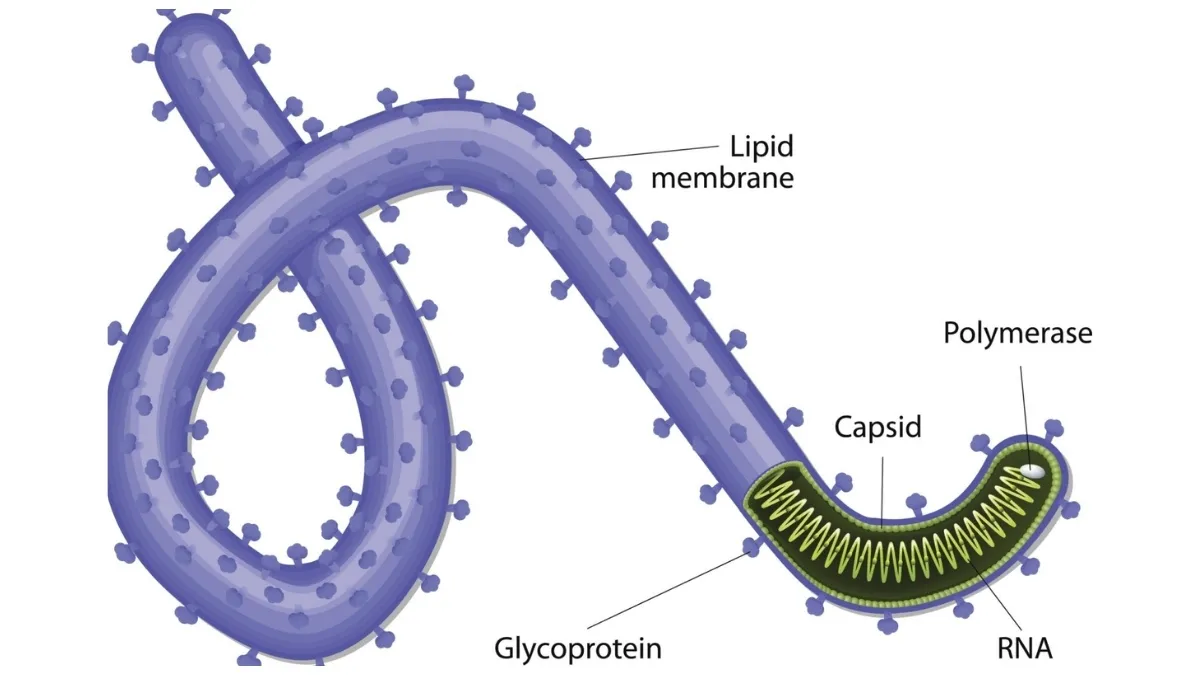
The viruses responsible for Ebola disease belong to the Orthoebolavirus genus within the Filoviridae family. To date, researchers have identified six distinct species of these viruses. Among these, three—the Ebola virus, the Sudan virus, and the Bundibugyo virus—are known to be capable of triggering large-scale outbreaks, according to data provided by the World Health Organization.
The history of the disease dates back to 1976, when two simultaneous outbreaks were documented. One occurred in Nzara, in what is now South Sudan, involving the Sudan virus, while the other took place in Yambuku, in the Democratic Republic of the Congo. The latter outbreak was situated in a village near the Ebola River, the geographic landmark from which the virus derives its name.
The transmission of the virus occurs primarily through direct contact with the blood or body fluids of an infected person or animal. Contaminated objects can also serve as vectors for the disease. As noted in clinical guidelines, early symptoms often mimic common illnesses, including fever, sore throat, muscle pain, and headaches, which can make initial diagnosis challenging without specialized laboratory testing.
Clinical Prognosis and Treatment Challenges
One of the most concerning aspects of Ebola virus disease is its high mortality rate. Historically, case fatality rates have shown significant variance, ranging from 25% to 90%, with an average of approximately 50%, as reported by the World Health Organization. The prognosis for an individual patient is heavily influenced by the specific viral species involved and the timeliness of medical intervention.
Currently, the medical approach to management relies heavily on early intensive supportive care. This includes aggressive rehydration and the treatment of specific symptoms to stabilize the patient. While significant progress has been made, the availability of specific medical tools remains unequal across different viral species. For instance, while We find licensed vaccines and therapeutics approved for the Ebola virus (EBOV), no such approved vaccine or treatment currently exists for other species like the Sudan virus or the Bundibugyo virus, though candidate products are in various stages of development.
Public Health Interventions and Surveillance
Controlling an outbreak requires a comprehensive “package of interventions.” This strategy is not limited to individual patient care but extends to the broader community. Key components of this public health response include:
- Disease Surveillance: Identifying and monitoring potential cases to prevent further spread.
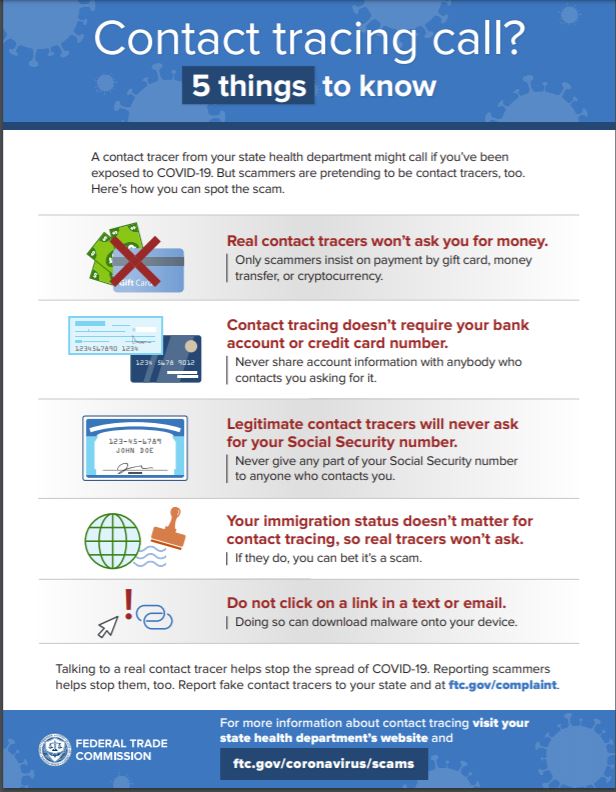
- Contact Tracing: Systematically identifying individuals who have been in contact with an infected person.
- Infection Prevention and Control: Implementing rigorous protocols in healthcare settings to protect staff, and patients.
- Safe and Dignified Burials: Managing funeral practices to minimize the risk of virus transmission during post-mortem handling.
- Social Mobilization: Engaging with local communities to ensure awareness and cooperation with health mandates.
The Cleveland Clinic emphasizes that because the disease can progress to severe complications—such as hemorrhage, renal dysfunction, and neurological disorders—seeking immediate medical attention upon the onset of symptoms is a lifesaving priority for those in affected regions.
Future Outlook and Research
The scientific community continues to focus on the development of new vaccines and therapeutics to address the species for which no approved treatments currently exist. Public health experts maintain that consistent investment in laboratory services and the strengthening of healthcare infrastructure in endemic regions are the most effective ways to reduce the risk of future large-scale outbreaks.
For readers looking for the most current information, it is recommended to monitor the official WHO Fact Sheets, which are updated periodically to reflect the latest epidemiological data and guidance on clinical management. Vigilance, rapid detection, and the sustained application of proven supportive care remain our best defenses against this rare but severe viral threat.
As this remains a developing area of global health, we encourage our readers to stay informed through verified institutional updates. Please feel free to share your thoughts or questions in the comments section below, and join our newsletter for continued coverage of public health developments.
Related reading