
High Costs of Ebola Patient Treatment in Berlin Highlight Infectious Disease Preparedness
A patient treated for the Ebola virus at Charité – Universitätsmedizin Berlin recently incurred medical costs estimated in the seven-figure range. The high price tag reflects the intensive resources, specialized high-containment isolation units, and rigorous biosafety protocols required to manage the highly infectious viral hemorrhagic fever safely within a metropolitan hospital setting.
The treatment, conducted at one of Europe’s leading medical institutions, underscores the significant financial and operational burden placed on healthcare systems when managing high-consequence infectious diseases. While the specific breakdown of the individual’s medical bill remains private, the scale of the expenditure is tied directly to the extreme measures necessary to prevent hospital-acquired outbreaks.
Why does Ebola patient treatment in Berlin cost millions?
The seven-figure cost associated with the Ebola treatment at Charité – Universitätsmedizin Berlin is driven by the specialized requirements of high-containment medical care. Unlike standard intensive care, treating a patient with a viral hemorrhagic fever like Ebola requires an entire ecosystem of containment. Medical staff must operate within strict biosafety protocols to ensure the virus does not escape the clinical environment.
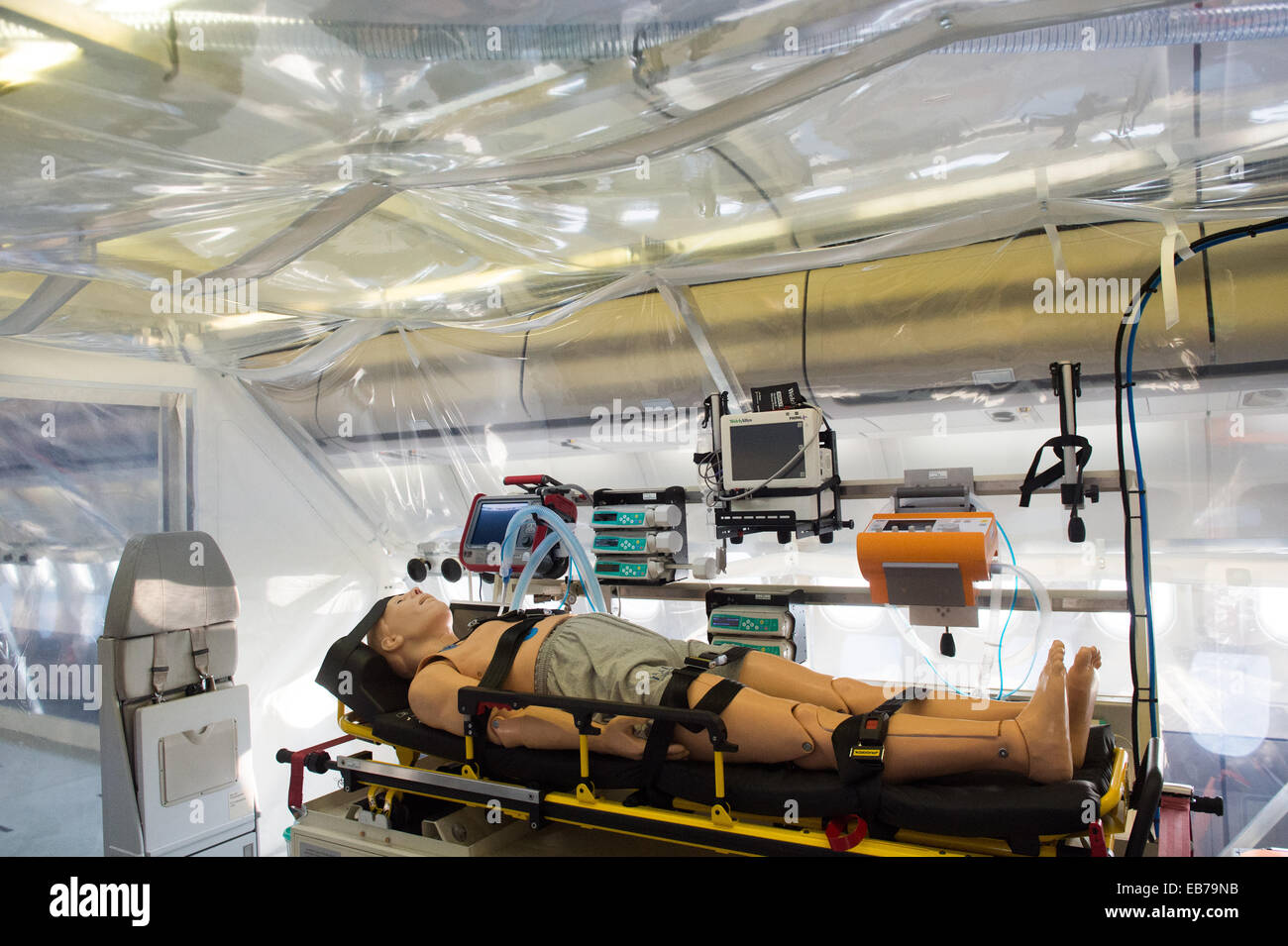
Several factors contribute to these escalating costs:
- Specialized Personal Protective Equipment (PPE): Staff require multiple layers of high-grade, specialized gear, including powered air-purifying respirators (PAPRs), which must be replaced frequently.
- High-Containment Isolation Units: The patient must be housed in specialized rooms equipped with dedicated, independent ventilation systems and HEPA filtration to prevent airborne or aerosolized transmission.
- Decontamination and Waste Management: Every item that enters or leaves the isolation zone—from medical instruments to linens—must undergo rigorous sterilization and autoclaving processes.
- Increased Staffing Ratios: Due to the complexity of donning and doffing PPE, medical procedures take significantly longer, requiring more nursing and physician hours per patient than standard care.
According to medical logistics experts, the overhead for maintaining a “hot zone” within a general hospital can dwarf the direct cost of the pharmaceutical interventions themselves.
How does Charité manage high-risk viral infections?
Charité – Universitätsmedizin Berlin serves as a critical hub for infectious disease management in Germany and throughout Europe. The facility maintains the infrastructure necessary to handle pathogens that pose a significant public health risk. Management of an Ebola patient involves a highly coordinated response between infectious disease specialists, specialized nursing teams, and hospital hygiene departments.
When a high-risk patient is admitted, the hospital activates specific emergency protocols. This includes the establishment of a controlled perimeter around the isolation unit to prevent unauthorized access and ensure that all movement is monitored. The hospital’s expertise in internal medicine and infectious diseases allows it to provide advanced life support while strictly adhering to international biosafety standards.
The ability to treat such cases in a major urban center like Berlin is a cornerstone of European public health preparedness. It ensures that if a traveler or resident is infected, the virus can be contained at the source before it reaches the wider community.
What are the implications for global healthcare policy?
The high cost of treating a single Ebola patient highlights a growing challenge for healthcare policy: the tension between maintaining expensive, “just-in-case” preparedness and managing everyday medical budgets. While the seven-figure sum for the Charité case is substantial, public health officials argue that the cost of an uncontrolled outbreak far exceeds the cost of individual patient management.
The economic impact of infectious diseases extends beyond hospital bills. Large-scale outbreaks can lead to:
- Disruption of international travel and trade.
- Increased pressure on national healthcare infrastructures.
- Significant costs related to contact tracing and community surveillance.
As climate change and increased global mobility alter the landscape of infectious disease spread, institutions like the Robert Koch Institute (RKI) and the World Health Organization (WHO) continue to advocate for robust funding of high-containment medical capabilities. The Berlin case serves as a practical example of the investment required to maintain a frontline defense against emerging biological threats.
Frequently Asked Questions about Ebola Treatment and Costs
Is Ebola highly contagious in a hospital setting?
Ebola is highly infectious through direct contact with the blood, secretions, organs, or other bodily fluids of infected people. In a hospital, strict isolation and biosafety protocols are used to prevent any contact between the patient’s fluids and other staff or patients.

Why can’t standard intensive care units treat Ebola?
Standard intensive care units are not designed for high-consequence pathogens. They lack the specialized air filtration, dedicated waste disposal systems, and controlled access points required to prevent the virus from spreading through the ventilation or via contaminated surfaces.
Who covers the cost of such expensive treatments?
In Germany, the responsibility for covering high-cost medical treatments typically falls under the statutory health insurance system, though the complexity and specialized nature of high-containment care often involve complex billing processes between hospitals and insurers.
Health authorities and the Robert Koch Institute will continue to monitor global infectious disease trends for any changes in risk levels. We will provide updates as more verified information regarding public health preparedness protocols becomes available.
What are your thoughts on the cost of pandemic preparedness? Share this article and join the conversation in the comments below.
Worth a look
- WHO Criticizes Junk Food Manufacturers for Blocking Healthy Eating Initiatives
- Sardines: Health Benefits for Heart, Bones, and Metabolism
- University of Iowa International Writing Program Secures Funding After Losing Federal Support (news-usa.today)
- Chronic Prostatitis: Causes, Symptoms, and Treatment Options (archynewsy.com)