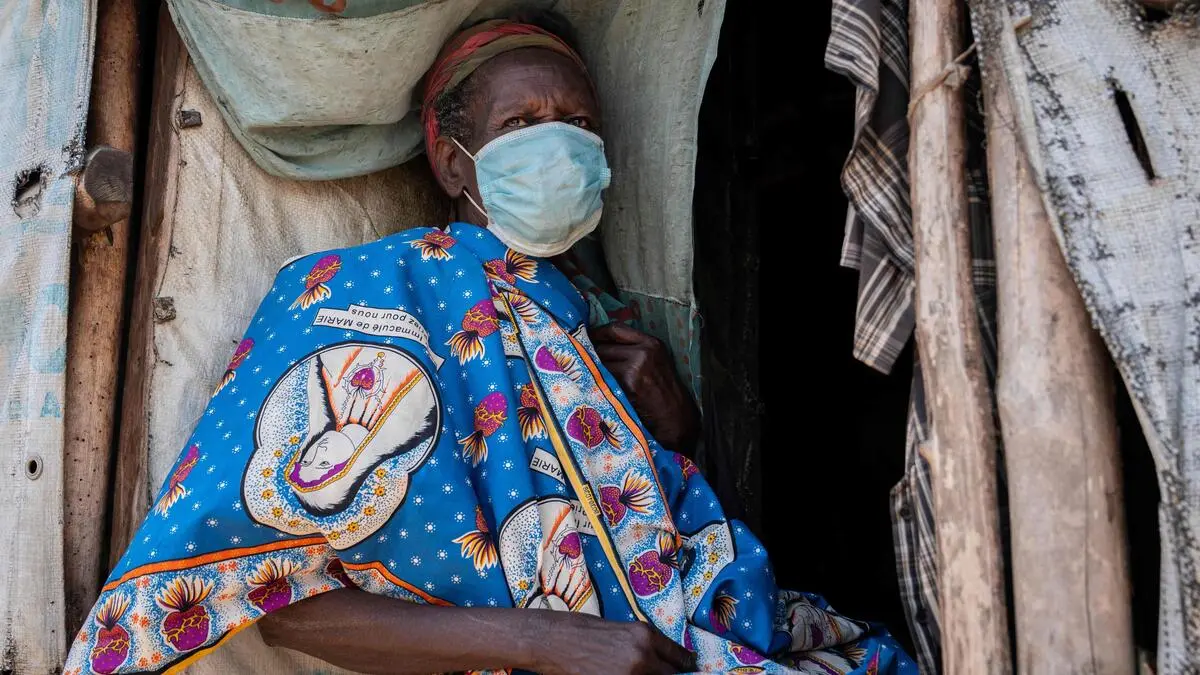
As we navigate an increasingly interconnected global health landscape, the silent erosion of infectious disease surveillance systems presents a growing risk to international stability. The Ebola virus, a pathogen characterized by its rapid onset and high mortality rate, remains a potent reminder of why robust, consistent public health infrastructure is not merely a regional concern, but a global necessity. When local monitoring mechanisms fail, the ability to detect and contain outbreaks at their source is severely compromised, potentially leading to widespread health crises.
Ebola virus disease (EVD) is transmitted through direct contact with the bodily fluids—such as blood, sweat, or urine—of an infected person or animal. The virus is known for its aggressive clinical progression, often resulting in severe internal and external hemorrhaging. Because the pathogen remains infectious even after the death of the host, traditional burial practices in affected areas have historically served as significant vectors for transmission. According to the World Health Organization (WHO), ensuring safe and dignified burials remains a cornerstone of outbreak control efforts.
The Critical Role of Epidemiological Surveillance
The effectiveness of any response to an infectious disease outbreak relies heavily on the presence of functional, active epidemiological surveillance systems. These networks are responsible for the early detection of clusters of febrile illness and other hallmark symptoms. When these systems collapse—due to a lack of funding, political instability, or the breakdown of communication infrastructure—authorities lose the “eyes and ears” necessary to trigger a timely intervention. The absence of such oversight creates a dangerous environment where a virus can propagate unchecked before the international community is even aware of its presence.
The challenge is particularly acute in regions experiencing systemic instability, where state authority may be limited and the delivery of basic healthcare services is hindered by conflict or logistical isolation. In such contexts, the breakdown of global health funding initiatives directly correlates with an increased risk of localized epidemics escalating into larger, harder-to-manage health emergencies. The Centers for Disease Control and Prevention (CDC) emphasizes that the speed of containment is the primary determinant in limiting the scale of an Ebola outbreak.
Why Global Health Security Matters
Public health experts have long argued that infectious diseases do not respect borders. The degradation of international health programs, particularly those supported by major global economies, leaves vulnerable regions without the diagnostic tools, training, and personnel required to identify emerging threats. This lack of investment often leads to a reliance on reactive measures rather than proactive prevention. For the global community, Which means that an outbreak occurring in a remote province today could, through modern travel and trade, present a challenge to health systems thousands of miles away in a matter of weeks.

Sustainable investment in regional health capacity is the only reliable method for preventing these scenarios. This involves:
- Strengthening laboratory diagnostic capabilities to ensure rapid confirmation of suspected cases.
- Maintaining consistent training for community health workers who serve as the first line of defense.
- Securing reliable, transparent communication channels between local health clinics and international health organizations.
- Prioritizing the logistical support required to transport medical supplies to hard-to-reach areas.
Moving Toward Proactive Preparedness
The lesson of past epidemics is clear: waiting for a crisis to become undeniable is a recipe for catastrophic outcomes. As we look toward future public health policies, the focus must shift toward maintaining a constant, baseline level of surveillance even in regions currently experiencing relative calm. The WHO’s International Health Regulations provide a framework for these collaborative efforts, yet their success depends entirely on the political and financial will of member states to fulfill their obligations.

By fostering resilient health systems that can withstand periods of regional instability, the international community can move away from the cycle of panic and neglect. Ensuring that healthcare workers have the resources to document and report anomalies is the most effective way to prevent a localized health event from evolving into a global emergency. The cost of prevention is a fraction of the cost of a full-scale epidemic response, both in economic terms and, more importantly, in human lives.
As we continue to monitor the progress of global health initiatives, we encourage our readers to stay informed through official updates provided by international health agencies. We invite you to share your thoughts on the importance of global health funding in the comments section below. Your engagement helps foster a more informed dialogue on the policies that keep our world safe.
Worth a look