The European Central Bank (ECB) has signaled a shift in monetary policy as persistent energy volatility and inflationary pressures force a reassessment of interest rate projections across the Eurozone. While market analysts have debated the exact trajectory, the focus remains on the ECB’s objective to stabilize prices in an economy grappling with high energy costs, leading to widespread speculation regarding potential rate hikes toward the 2.25% threshold. According to the official interest rate data published by the European Central Bank, these decisions are calibrated to maintain price stability within the medium-term mandate, impacting everything from sovereign debt yields to consumer mortgage rates.
For households and businesses, the prospect of rising interest rates represents a significant change in the financial landscape after a prolonged period of historically low or negative rates. Financial institutions are increasingly advising borrowers to review their debt exposure. As noted in guidance from the Bank of Spain’s mortgage access guidelines, consumers with variable-rate loans are particularly exposed to changes in the Euribor, which typically tracks the policy decisions made by the Frankfurt-based central bank. Understanding these shifts is essential for anyone currently managing or considering long-term financial commitments in the European market.
Drivers of Monetary Policy Shifts
The primary catalyst for the current discussion surrounding interest rate adjustments is the ongoing energy shock, which has complicated the ECB’s ability to anchor inflation expectations. Higher energy prices increase production costs for firms, which are subsequently passed on to consumers, creating a feedback loop that central banks aim to break through restrictive monetary policy. The European Union’s statistical office, Eurostat, tracks these inflationary trends, providing the empirical foundation for the Governing Council’s deliberations. By raising the cost of borrowing, the ECB seeks to dampen aggregate demand, thereby cooling the economy and slowing the rise in consumer prices.
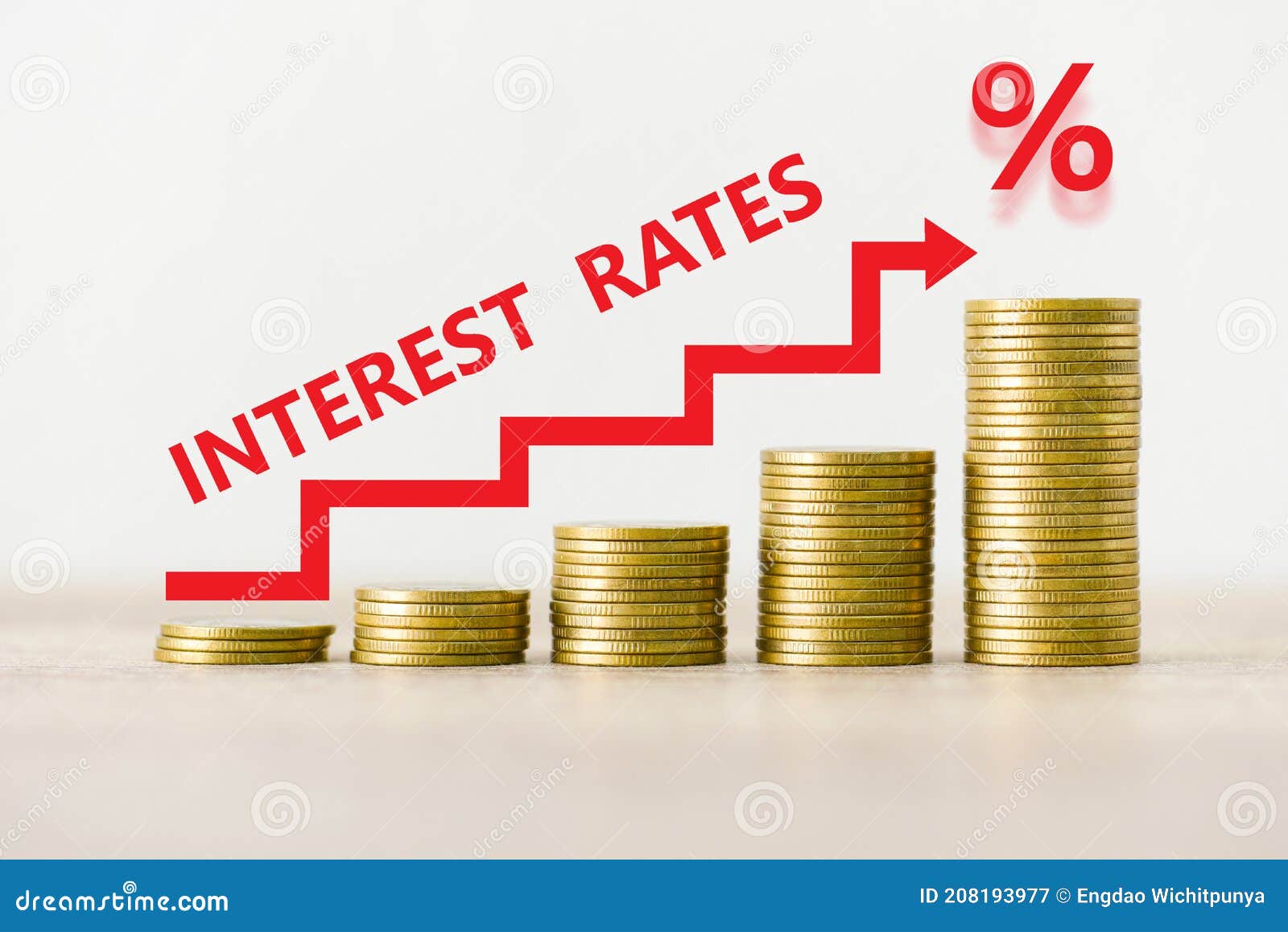

Analysts observe that this is the first significant upward revision in the policy cycle for some time, marking a departure from the accommodative stance that defined the post-pandemic recovery. The transition is not merely technical; it reflects a broader consensus among policymakers that the era of “cheap money” is ending. According to reporting from Reuters on previous ECB rate adjustments, the speed and magnitude of these hikes are determined by the persistence of inflationary data rather than speculative forecasts. Each meeting of the Governing Council serves as a checkpoint where members weigh the risks of stagflation against the necessity of price control.
Impact on Consumer Debt and Mortgages
The shift toward higher interest rates has immediate consequences for the real estate market and consumer lending. Borrowers with variable-rate mortgages—common in countries like Spain and Italy—face higher monthly payments as the Euribor adjusts to mirror the ECB’s benchmark rates. Financial advisors often suggest that those who have not yet secured a fixed-rate mortgage may find the window for locking in lower costs closing rapidly, as banks adjust their credit offerings in anticipation of future rate hikes.
According to the European Banking Authority (EBA) risk analysis reports, financial institutions are under pressure to maintain capital buffers as interest rate environments change. This environment necessitates a cautious approach for borrowers:
- Assess current debt-to-income ratios to ensure resilience against rising monthly installments.
- Consult with financial institutions regarding the potential to switch from variable to fixed-rate structures.
- Monitor the official press releases of the ECB Governing Council for the most accurate information on future policy decisions.
Future Outlook and Institutional Strategy
Looking ahead, the ECB remains committed to a data-dependent approach. This means that future interest rate decisions will not be pre-committed but will instead be guided by incoming economic indicators, including core inflation, wage growth, and energy market stability. The International Monetary Fund (IMF) World Economic Outlook regularly provides context on how these regional policy decisions fit into the global economic framework, highlighting the interconnectedness of central bank actions.
For market participants, the next major checkpoint involves the upcoming Governing Council meeting, where updated economic projections will be released. These documents are vital for understanding the ECB’s internal assessment of the risks facing the Eurozone economy. As the central bank recalibrates its stance, market volatility is expected to persist, requiring both individual investors and corporate treasuries to maintain a high degree of agility. We encourage readers to stay informed through official channels and to share their perspectives on how these policy shifts are affecting their local markets in the comments section below.
Related reading