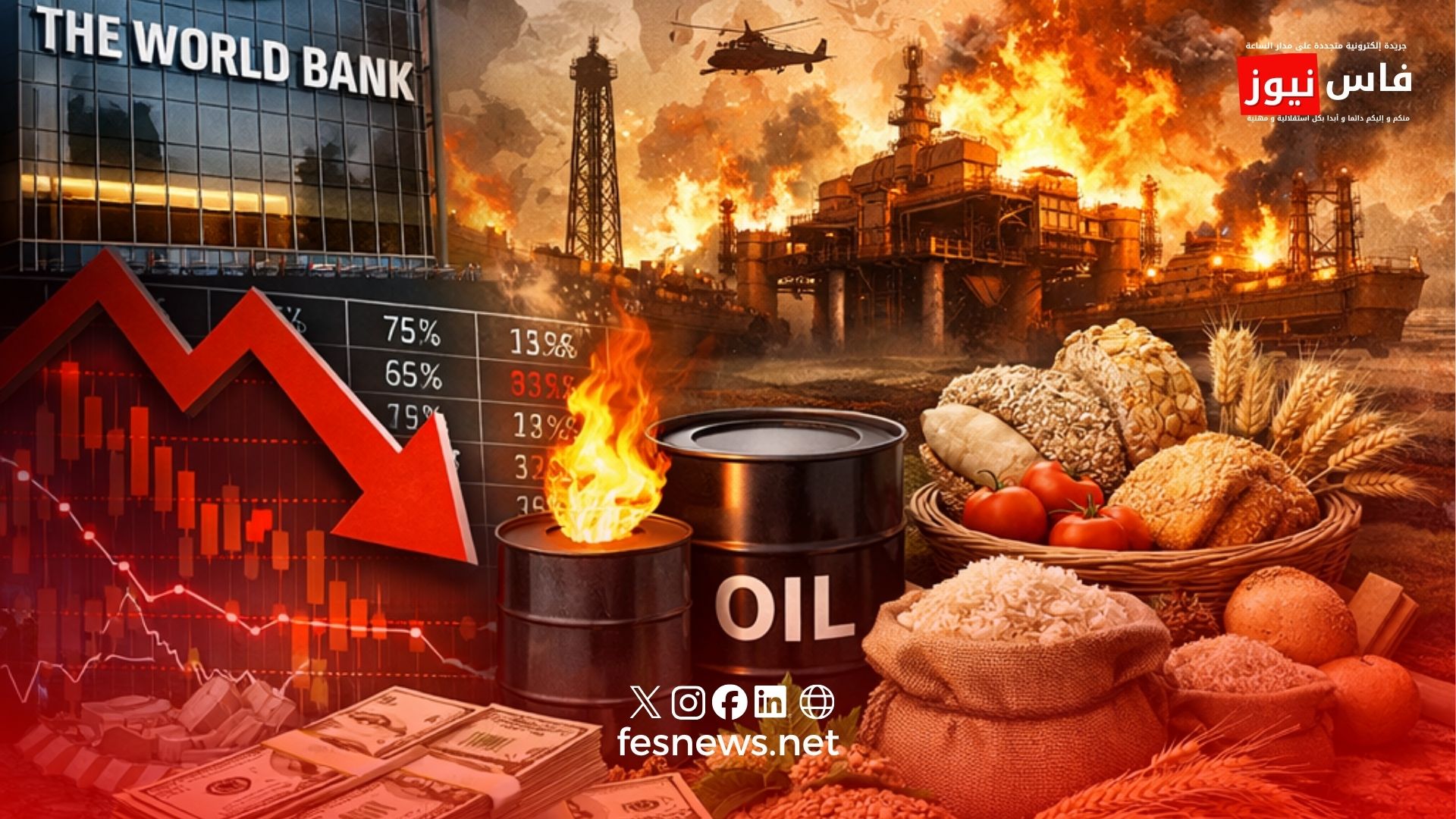
The global economy is currently grappling with the volatile repercussions of the Middle East war, as the conflict enters its second month and threatens to destabilize international markets. What began as a regional crisis has evolved into a systemic economic risk, pushing energy prices higher and disrupting critical maritime trade routes that sustain global supply chains.
As of April 10, 2026, the geopolitical tension has reached a critical juncture. UN Secretary-General António Guterres has warned that the region is on the brink of a wider war with global consequences, noting that the conflict has already entered its second month according to UN News. The instability is not merely a diplomatic concern but a direct catalyst for market volatility, affecting everything from crude oil benchmarks to the cost of basic food staples in distant nations.
The immediate financial impact was felt sharply in the energy sector. Following a series of deadly strikes across the Middle East on Thursday, April 2, the price of crude oil surged to 107 dollars per barrel in early trading. This price spike reflects the market’s sensitivity to potential supply disruptions and the perceived risk of a broader escalation involving key energy producers.
Energy Markets and the Strait of Hormuz
The primary driver of economic anxiety is the vulnerability of maritime navigation, specifically within the Strait of Hormuz. This narrow waterway is a vital artery for the global economy, and any significant perturbation in its traffic leads to immediate ripples in energy and food pricing. The Secretary-General of the UN highlighted that these disruptions are disproportionately affecting the most vulnerable populations, citing impacts in countries ranging from the Philippines and Sri Lanka to Mozambique via UN News.
For global markets, the “fear premium” is now baked into oil prices. When the risk of a wider war increases, investors hedge against potential shortages, driving up the cost of crude. This, in turn, increases transportation and production costs globally, fueling inflationary pressures on consumer goods. The economic ripple effect means that a strike in the Middle East can manifest as higher grocery bills in Southeast Asia or increased heating costs in Europe.
The Role of Diplomatic Negotiations
Market stability currently hinges on the success of diplomatic efforts to prevent a total escalation. On Friday, April 10, the United States and Iran were scheduled to begin a process of negotiations in Pakistan according to reports from franceinfo. A central and highly sensitive point of these discussions is the status of Iranian uranium stocks, a detail that closely watched by global security analysts and financial markets alike.
The outlook for a swift resolution remains clouded. While negotiations are underway, U.S. President Donald Trump indicated on Wednesday evening that attacks could continue for another “two to three weeks,” even as discussions with Tehran proceed per UN News. This suggests a period of prolonged uncertainty, which typically leads to increased market volatility and cautious investment strategies.
Humanitarian Costs and Infrastructure Destruction
Beyond the balance sheets and oil tickers, the economic damage is compounded by the physical destruction of essential infrastructure. António Guterres has denounced the intensification of indiscriminate attacks and the targeting of civilians, noting that the destruction of critical infrastructure further hampers any hopes of a rapid economic recovery in the region via UN News.
The loss of infrastructure creates a long-term economic vacuum. When power grids, water treatment plants, and transport hubs are destroyed, the cost of reconstruction adds a massive burden to regional economies and requires significant international aid. This cycle of “death and destruction” not only creates a humanitarian crisis but ensures that the region remains an unstable environment for foreign investment for the foreseeable future.
Key Economic Takeaways
- Oil Price Volatility: Crude oil hit 107 dollars following deadly strikes on April 2, 2026.
- Supply Chain Disruptions: Perturbations in the Strait of Hormuz are driving up energy and food prices globally.
- Diplomatic Focal Point: Negotiations between Washington and Tehran in Pakistan are focusing on Iranian uranium stocks.
- Global Vulnerability: Economic shocks are being felt acutely in the Philippines, Sri Lanka, and Mozambique.
What Happens Next?
The immediate focus of the international community is the outcome of the negotiations in Pakistan. The resolution—or failure—of the talks regarding Iranian nuclear capabilities will likely dictate the trajectory of oil prices and the level of risk associated with the Strait of Hormuz in the coming weeks.
The next critical checkpoint is the progression of the U.S.-Iran talks starting Friday, April 10, and the potential window of “two to three weeks” of continued attacks mentioned by the U.S. Presidency. Market analysts will be monitoring these developments to determine if the region is moving toward a ceasefire or further toward the “wider war” feared by the United Nations.
We invite our readers to share their perspectives on how these global market shifts are affecting their local economies in the comments below.
Keep reading