Ecuador’s Drug War Escalates: The Capture of “Pipo” Chavarria and a Nation at a Crossroads
Ecuador is grappling wiht an unprecedented surge in violence fueled by drug trafficking.the recent capture of Wilmer chavarria, a notorious drug lord known as “Pipo,” marks a notable, yet complex, moment in the nation’s fight against organized crime. This event, coupled with a pivotal national referendum, signals a turning point for the South American country.
from Peaceful Nation to Drug Trafficking Hub
Just over a decade ago, Ecuador was considered one of the most peaceful countries in South America. However, a dramatic shift has occurred. Ecuador’s strategic location has transformed it into a key transit point for cocaine originating from Colombia and peru. This has led to a sharp increase in homicides and violent crime.
Drug trafficking gangs now routinely target presidential candidates, local officials, and journalists as they vie for control of vital ports and coastal cities.The escalating violence threatens to destabilize the nation of 18 million people.
The Rise and Fall of “Pipo” Chavarria
Wilmer Chavarria, the alleged leader of Los Lobos, a powerful drug trafficking institution, was recently apprehended in Malaga, Spain. This capture was the result of a joint operation between Ecuadorian and Spanish police forces. Los Lobos, estimated to have around 8,000 members, has been officially designated a terrorist organization by the United States government.
What makes Chavarria’s case particularly audacious? he faked his own death in 2021, during the height of the COVID-19 pandemic. He then secured a new identity and relocated to Spain, from where he continued to orchestrate drug shipments, order assassinations, and extort gold mines across Ecuador.
Los Lobos isn’t operating in isolation. They are accused of maintaining close ties with Mexico’s formidable Jalisco New Generation Cartel, amplifying their reach and influence.
Ecuador’s Referendum: A Nation Divided
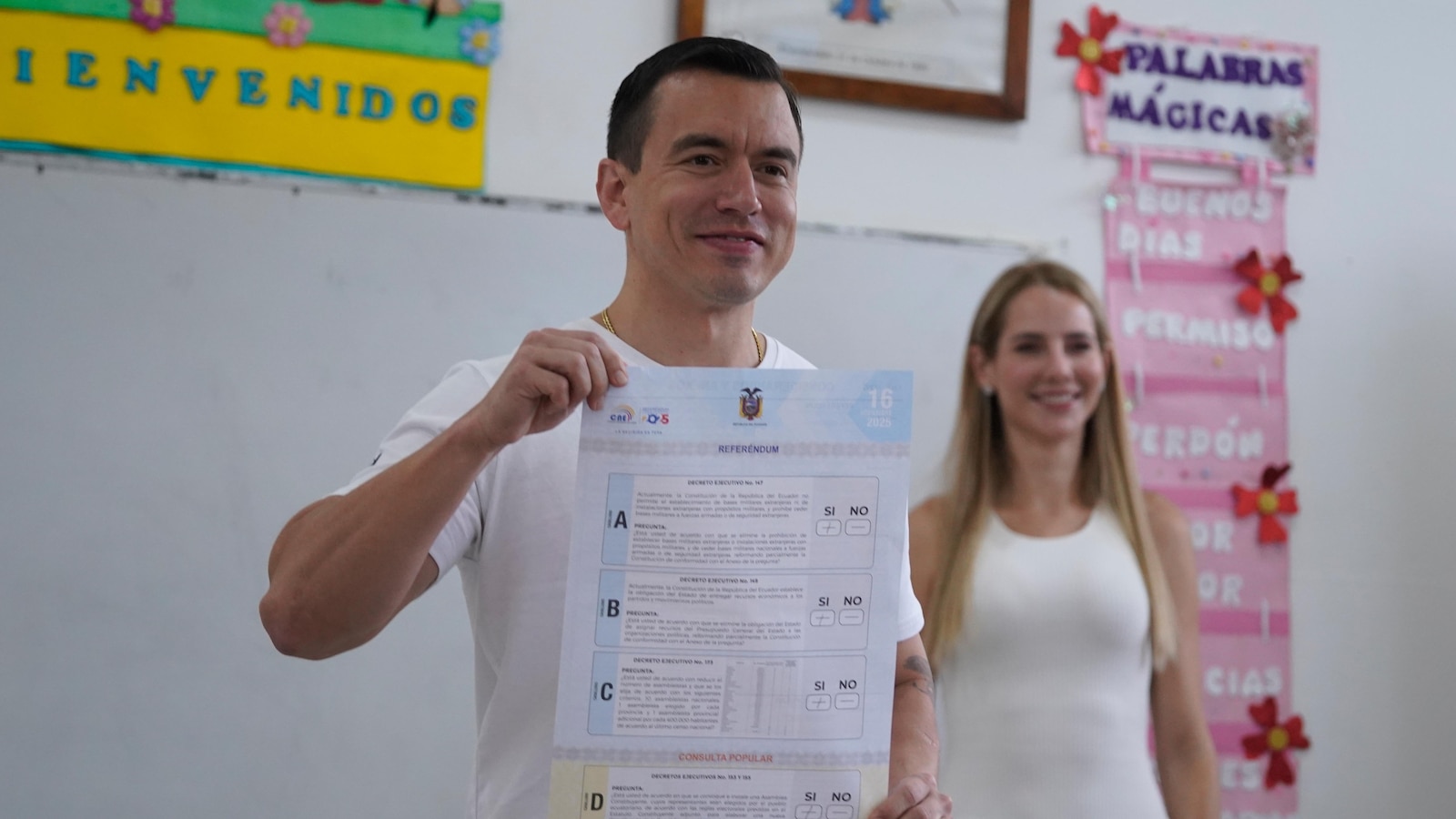
Chavarria’s capture occurred as Ecuadorians participated in a crucial four-part referendum. The most controversial proposal asks citizens to approve constitutional amendments allowing foreign countries to establish military bases within Ecuador’s borders.
President Daniel Noboa argues this reform is essential to bolster anti-drug cooperation, particularly with the United States. He believes increased international pressure is vital to dismantling the powerful drug trafficking networks. However, the proposal has sparked significant debate, raising concerns about national sovereignty and potential foreign interference.
What Does This Mean for Ecuador?
The capture of “Pipo” Chavarria is undoubtedly a victory for Ecuadorian authorities. However, it’s crucial to understand this is not a singular solution. The underlying issues driving the surge in drug-related violence – poverty, corruption, and weak institutions – remain.
Here’s what you need to know about the current situation:
* Increased Violence: Ecuador is experiencing a level of violence previously unseen.
* transnational criminal Networks: powerful cartels from Mexico and Colombia are heavily involved.
* Political Instability: Attacks on political figures demonstrate the reach of criminal organizations.
* referendum Impact: The outcome of the referendum will considerably shape Ecuador’s security strategy.
* Los Lobos’ Influence: the dismantling of Los Lobos is a priority, but the group’s extensive network poses a challenge.
Frequently Asked Questions About Ecuador’s Drug Crisis
Q: Who is Wilmer Chavarria, and why is his capture significant?
A: Wilmer Chavarria, known as “Pipo,” is the alleged leader of Los Lobos, a major drug trafficking group in Ecuador. His capture is significant because it removes a key figure in the country’s escalating drug crisis and demonstrates a commitment to combating organized crime.
Q: What is Los Lobos, and what are its activities?
A: Los lobos is a drug trafficking organization with approximately 8,000 members, recently designated a terrorist organization by the U.S. They are linked to political assassinations, extortion, and close ties with the Jalisco new Generation Cartel.
Q: Why has Ecuador become a hub for drug trafficking?
A: Ecuador’s strategic location between Colombia and peru,the world’s largest cocaine
Related reading