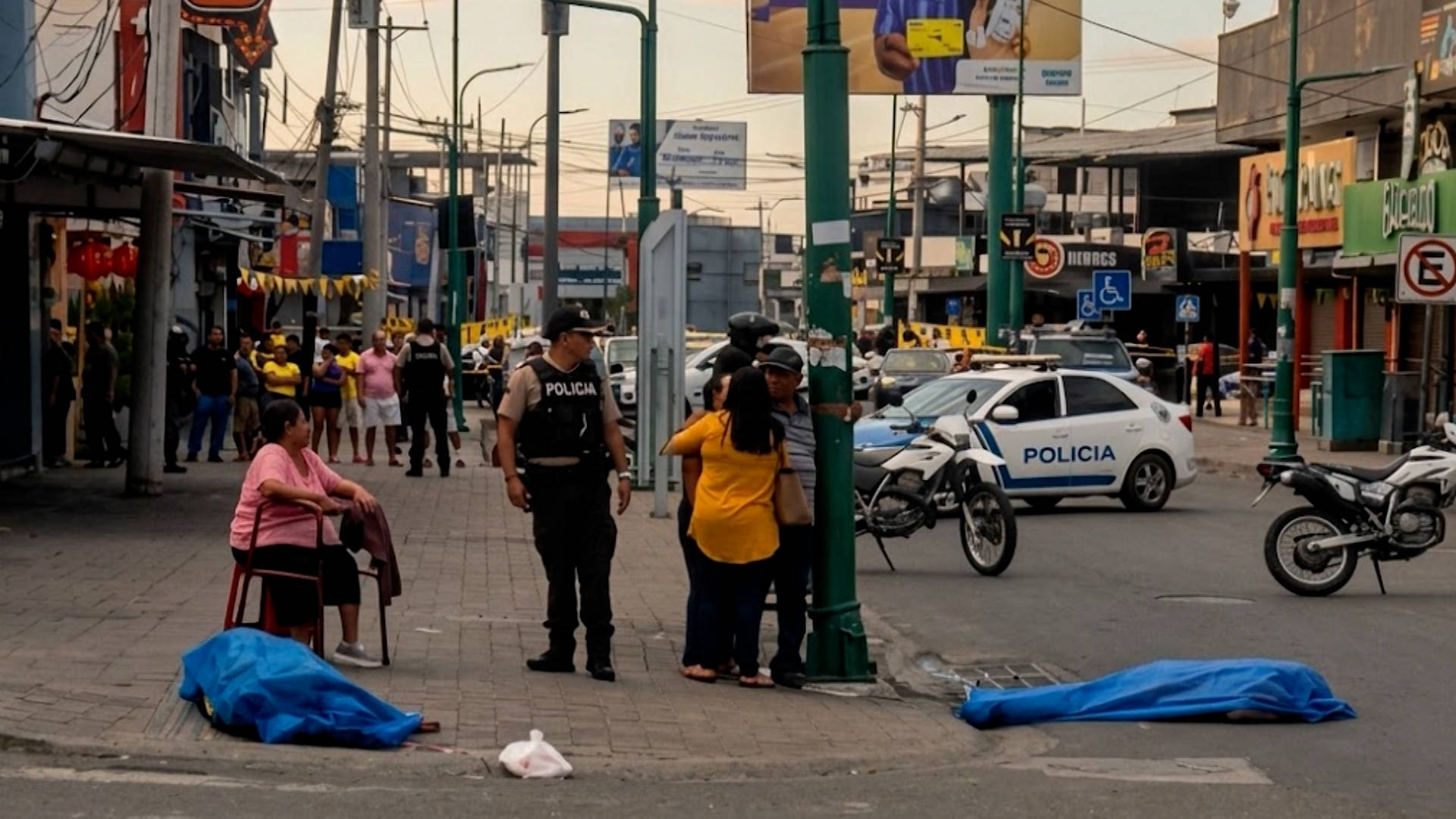
An Ecuadorian prosecutor investigating fatal U.S. boat strikes in the eastern Pacific and Caribbean was shot and killed by a hitman in the coastal city of Manta on June 14, throwing a harsh spotlight on opaque bilateral security pacts.
U.S. boat strikes across regional waters have resulted in at least 221 deaths since September, according to documented regional data. The administration of U.S. President Donald Trump has released no evidence connecting the targeted vessels or their passengers to narcotics trafficking.
At the time of her assassination, the prosecutor was actively probing three separate incidents involving U.S. strikes on Ecuadorian vessels. Out of those targeted ships, 36 passengers survived.
The Investigation Into U.S. Boat Strikes and Torture Allegations
The core of Alexandra Bravo’s final investigation centered on the harrowing accounts of the 36 survivors from the three struck Ecuadorian boats. These individuals, wearing standard U.S. military uniforms, allegedly subjected detainees to severe mistreatment.
Political Turmoil and Allegations of Militarization in Ecuador
Camila Lourdes Galarza, an investigative journalist and labor organizer based in Quito, characterizes the climate surrounding these events bluntly. The allegations of U.S. boat strikes and torture Bravo was investigating “are a reflection of the growing U.S.-backed military dictatorship in Ecuador,” Lourdes Galarza stated.
According to the Quito-based organizer, former Blackwater mercenaries actively patrolled voting sites at gunpoint during Ecuadorian President Daniel Noboa’s successful reelection campaign last year.
International Scrutiny and the Demand for Transparency
Juanita Goebertus, director of the Americas division at Human Rights Watch, emphasized the profound lack of institutional openness governing these operations.
“The Trump administration has deepened U.S. security cooperation with Ecuador as a response to the surge in violence in Ecuador, particularly to the growth of organized crime groups,” Goebertus observed. She added a critical caveat regarding bilateral accountability: “None of the two governments have provided transparency about the nature of their security cooperation.”
The expansion of U.S. security assistance follows years of escalating homicides and cartel violence within Ecuador, which transformed the country from a peaceful transit nation into a major global hub for cocaine trafficking.
What Happens Next in the Pursuit of Accountability
Readers wishing to follow further developments in this case can monitor updates through official releases from Human Rights Watch or review regional legal filings as they become available. Please share your thoughts or join the discussion in the comments below.
Related reading