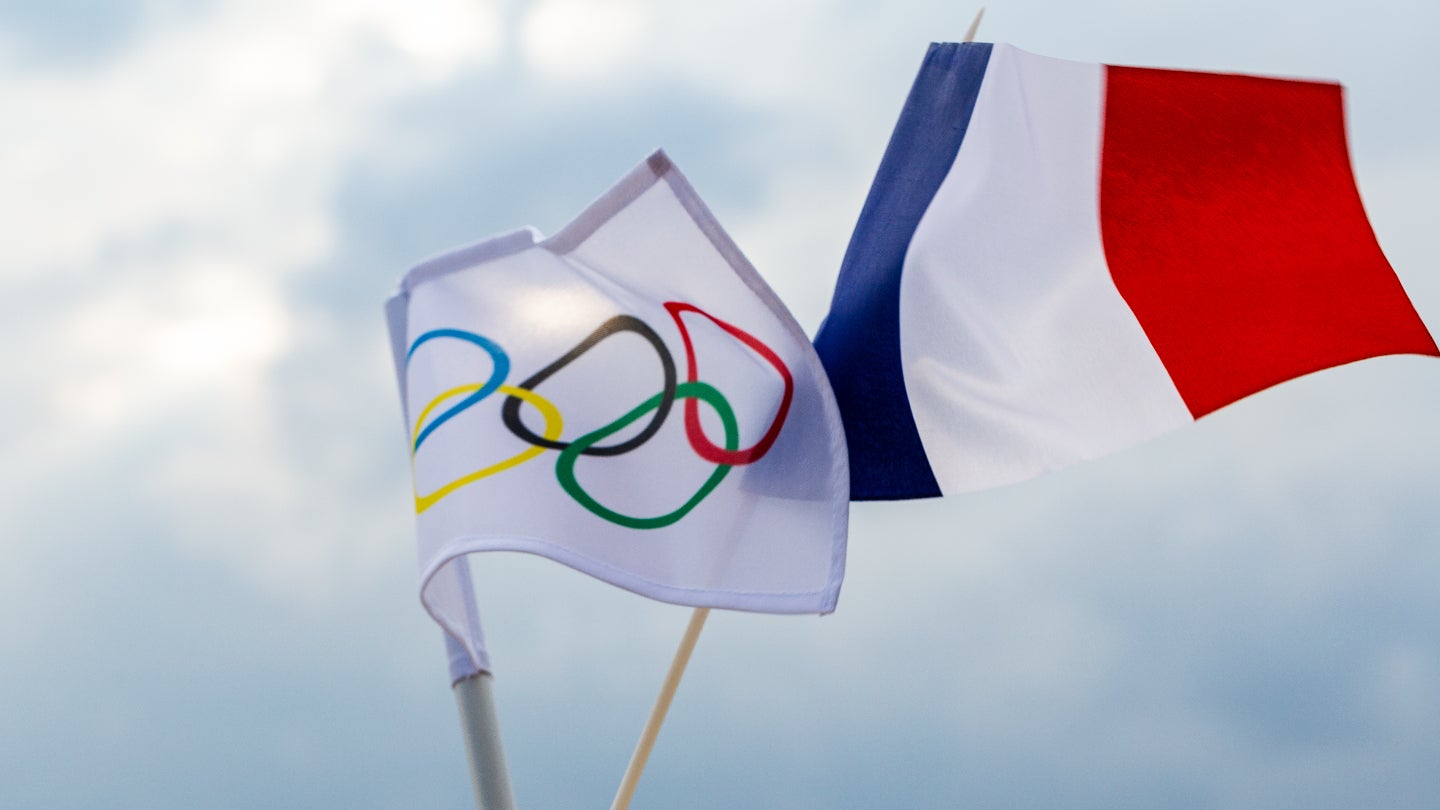
French energy company Électricité de France (EDF) has become the first founding partner for the organizing committee of the 2030 Winter Olympic Games. The partnership establishes a strategic collaboration to support the event’s infrastructure and sustainability goals as France prepares to host the Games in the French Alps.
The announcement marks the first major corporate commitment to the organizing committee, tasked with delivering a low-carbon sporting event. According to EDF, the collaboration focuses on leveraging low-carbon energy solutions to meet the International Olympic Committee’s (IOC) stringent environmental requirements for future hosts.
The 2030 Winter Olympics were officially awarded to the French Alps during the 171st IOC Session in Paris on July 24, 2024 . The decision followed a revised bidding process designed to prioritize sustainability and the use of existing venues to minimize environmental impact.
How the EDF partnership supports the 2030 Winter Olympics
As a founding partner, EDF provides more than financial sponsorship; the company is integrated into the planning phase of the Games. The primary objective is to ensure that the energy consumed during the preparation and execution of the event remains low-carbon. This aligns with the IOC’s Olympic Agenda 2020+5, which mandates that all Games from 2030 onward must be climate-positive.
EDF’s role involves technical expertise in energy management and the deployment of renewable energy sources across the alpine venues. This includes optimizing power grids in remote mountain locations and implementing energy-efficient lighting and heating for athlete villages and spectator areas. The company aims to demonstrate that a large-scale international event can operate without increasing net carbon emissions.
This partnership reflects a broader trend in sports sponsorship where “founding” status is tied to specific environmental or social KPIs rather than traditional brand visibility alone. By securing an energy provider early, the organizing committee can bake decarbonization into the architectural and logistical blueprints of the event.
The transition to the French Alps 2030
The selection of the French Alps as the host for the 2030 Games represents a shift in how the IOC selects winter hosts. Rather than building new “white elephant” stadiums, the French bid emphasizes the use of existing infrastructure in established ski resorts. The IOC confirmed that the French Alps bid was the only one to meet the necessary technical and sustainability criteria for the 2030 cycle .
The event will be spread across several alpine hubs, reducing the need for massive new construction projects. This decentralized model requires a sophisticated energy strategy to ensure that power is delivered reliably to various mountain sites without relying on diesel generators or high-emission energy sources. EDF’s involvement is intended to solve these logistical challenges through the French national grid and localized renewable projects.
The French government has signaled that the 2030 Games will serve as a showcase for French engineering in the energy transition. By integrating EDF’s nuclear and renewable portfolio, the organizers intend to keep the carbon footprint per athlete and spectator lower than any previous Winter Games.
| Milestone | Date/Timeline | Status |
|---|---|---|
| IOC Session Approval | July 24, 2024 | Completed |
| EDF Founding Partnership | 2024/2025 | Active |
| Infrastructure Audit | 2025-2026 | Planned |
| Operational Readiness | 2029 | Planned |
| Opening Ceremony | February 2030 | Scheduled |
Why low-carbon energy is critical for winter sports
Winter sports are uniquely vulnerable to the effects of climate change. Rising global temperatures have led to shorter winters and unreliable snowfall, forcing many resorts to rely heavily on artificial snow production. Snowmaking is an energy-intensive process that often relies on electricity-heavy compressors and pumps.

By partnering with EDF, the 2030 organizers aim to power snowmaking operations and venue heating with carbon-free electricity. This is a necessary step to avoid the paradox of hosting a winter sports event that contributes to the melting of the glaciers and snowpacks required for the competitions. The goal is to decouple the growth of the event from its carbon output.
Furthermore, the partnership extends to transport. The organizing committee plans to integrate electric vehicle (EV) charging infrastructure across the Alps, supported by EDF’s charging networks. This aims to reduce the emissions generated by the thousands of spectators and officials traveling between fragmented alpine venues.
Comparing the 2030 sustainability model to previous Games
The approach for the 2030 Winter Olympics differs significantly from the model used in the 2014 Sochi Games or the 2022 Beijing Games, where massive infrastructure builds led to high carbon expenditures. The 2030 model is based on “minimal intervention.”
While the Paris 2024 Summer Olympics focused on urban regeneration and using existing landmarks, the 2030 Winter Games focus on ecological preservation. The involvement of EDF as a founding partner mirrors the sustainability partnerships seen in Paris 2024, but with a more specific focus on the energy-heavy requirements of cold-weather sports. For example, while Paris focused on reducing waste and using existing stadiums, the French Alps must focus on the energy cost of maintaining ice and snow in a warming climate.
Industry analysts note that the “founding partner” designation for an energy company is a strategic move to shield the Games from criticism regarding the environmental cost of winter sports. By locking in a low-carbon energy provider at the start, the organizers establish a baseline of environmental accountability that was often missing in previous Olympic cycles.
Impact on the French energy sector
For EDF, the partnership provides a global stage to showcase its “Net Zero” capabilities. As the world’s largest operator of nuclear power plants, EDF is positioning itself as the primary solution for nations seeking to maintain industrial stability while eliminating carbon emissions. The 2030 Games serve as a live pilot for how a national energy provider can support a massive, temporary surge in demand without reverting to fossil fuels.
The partnership also creates opportunities for local alpine businesses. EDF’s integration into the Games’ infrastructure likely involves upgrading local grids and installing new renewable energy assets in the Savoie and Haute-Savoie regions. These improvements will remain in place long after the 2030 Games conclude, providing a permanent energy legacy for the mountain communities.
What happens next for the 2030 organizing committee
With the first founding partner secured, the organizing committee will now move toward identifying other strategic partners in sectors such as sustainable transport, waste management, and digital infrastructure. The focus will shift toward the “Technical Master Plan,” which will map out every kilowatt of energy needed for each venue.

The next major phase involves the detailed environmental impact assessment of the selected alpine sites. This process will determine where additional renewable energy installations—such as solar arrays or small-scale hydro projects—are needed to supplement the existing grid. EDF is expected to lead the technical consultancy for these assessments.
The International Olympic Committee will continue to monitor the progress of the French Alps organizers to ensure they adhere to the “Climate Positive” mandate. This includes regular reporting on the projected carbon footprint of the event and the specific offsets or reductions achieved through the EDF partnership.
The next official update on the 2030 Games’ operational roadmap is expected following the conclusion of the current Olympic cycle’s review process. Readers can find official updates on the International Olympic Committee official website.
Share your thoughts on the sustainability of the Winter Olympics in the comments below or share this report on social media.