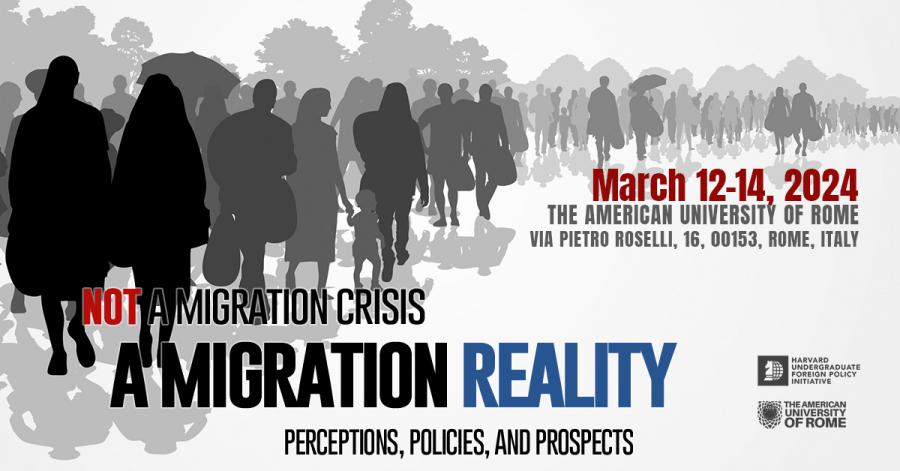
Migration is a reality of human history, yet it is increasingly managed through the lens of emergency, often obscuring the individual lives caught in the center of shifting political tides. While global debates often focus on border enforcement and legislative volume, the daily experience of migrants frequently involves barriers to essential services, including healthcare and medicine. According to the United Nations High Commissioner for Refugees (UNHCR), the number of forcibly displaced people worldwide reached a record 117.3 million by the end of 2023, a figure that underscores why migration is a constant, structural feature of the modern world rather than a temporary crisis.
As a physician, I have spent over a decade observing how these systemic pressures translate into clinical outcomes. When a parent avoids a vaccination clinic for fear of immigration status checks, or when a patient with a chronic condition like diabetes struggles to maintain a consistent supply of insulin while displaced, the result is a public health challenge that affects the entire community. Viewing migration as an emergency rather than a fundamental aspect of human movement risks ignoring the long-term health and social stability of the populations involved.
The Human Cost of Policy Barriers
The intersection of immigration policy and public health is perhaps most visible in the hesitation of migrant families to access basic medical care. Research consistently indicates that when healthcare environments are perceived as extensions of immigration enforcement, patients delay or forgo necessary treatments. The National Institutes of Health (NIH) has noted that fear of deportation or data sharing between health providers and immigration authorities serves as a primary deterrent for marginalized groups seeking pediatric care and preventative services.
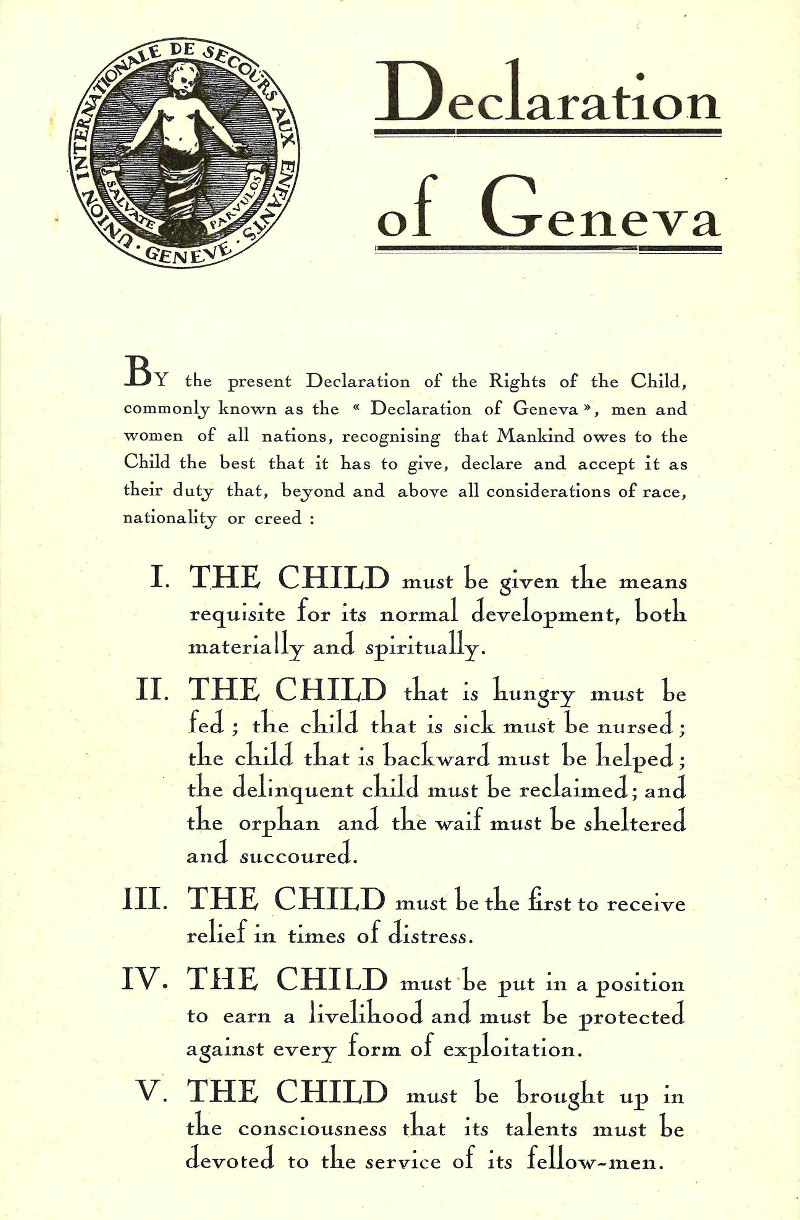
This barrier is not merely theoretical. For a nurse or physician, the inability to provide care to a patient because they are labeled a “burden” on the state is a direct contradiction of medical ethics. The World Medical Association’s Declaration of Geneva underscores that a physician must not permit considerations of age, disease or disability, creed, ethnic origin, gender, nationality, political affiliation, race, sexual orientation, social standing, or any other factor to intervene between their duty and their patient. When political rhetoric labels migrant populations as an economic drain, it undermines the trust necessary for effective public health interventions.
Global Trends and Local Realities
Current geopolitical events have intensified the focus on border security, often at the expense of humanitarian considerations. In the United Kingdom, recent policy shifts and public discourse have centered on the management of asylum claims, with the government implementing the Illegal Migration Act 2023, which seeks to detain and remove those arriving via irregular routes. Similar trends are visible in the United States, where municipal and federal agencies continue to conduct enforcement operations in urban centers, as documented by the Department of Homeland Security (DHS).
These actions exist within a broader context of global migration. While protests in the UK and raids in US cities capture headlines, the underlying reality is that migration is a permanent demographic phenomenon driven by conflict, economic instability, and environmental change. Treating these movements as “emergencies” leads to cyclical policy responses that often fail to address the root causes of displacement. Instead, these approaches frequently exacerbate the vulnerability of individuals, such as the elderly patient who must ration life-saving medication like insulin while residing in temporary housing or transit camps.
Why Public Health Requires Stability
From a public health perspective, the isolation of migrant populations is counterproductive. Infectious disease control, maternal health, and chronic disease management all depend on the integration of all residents into the healthcare system. When significant portions of a population fear the clinic, the result is a fragmented system where manageable conditions become acute emergencies. The World Health Organization (WHO) advocates for the inclusion of refugees and migrants in national health systems to ensure both equity and the broader security of public health infrastructure.
The argument for stricter enforcement often centers on the concept of “burden,” yet this ignores the economic and social contributions of migrant workers. Nurses, care providers, and essential laborers make up a substantial portion of the migrant workforce in many developed nations. Labeling these individuals as burdens while simultaneously relying on their labor to sustain essential services creates a cognitive dissonance in public policy that is difficult to justify.
Moving Beyond the Emergency Frame
To move forward, policy must shift from a reactionary stance to a sustainable, evidence-based approach. This includes decoupling healthcare access from immigration enforcement. By ensuring that clinics remain safe spaces, governments can improve health outcomes for all citizens, as a disease that goes untreated in one population does not remain contained there. The OECD’s International Migration Outlook 2023 provides extensive data on the long-term economic integration of migrants, suggesting that when barriers to employment and social services are lowered, the net impact on the host country is positive.
The debate over migration is rarely about the people themselves; it is about the values of the nations receiving them. A society that prioritizes the health and dignity of every person, regardless of their legal status, is a society that is more resilient, more stable, and more capable of managing the inevitable shifts in global demographics. We must reconcile the fact that migration is not a temporary emergency to be solved, but a permanent reality to be managed with humanity and foresight.
The next major checkpoint for global migration policy will follow the upcoming UNHCR High-Level Officials Meeting, where member states are expected to review progress on the Global Compact on Refugees. These discussions will be critical in determining how international standards for healthcare and protection are upheld in the coming year. I encourage you to share your thoughts on how your local community manages these challenges in the comments below.
Worth a look