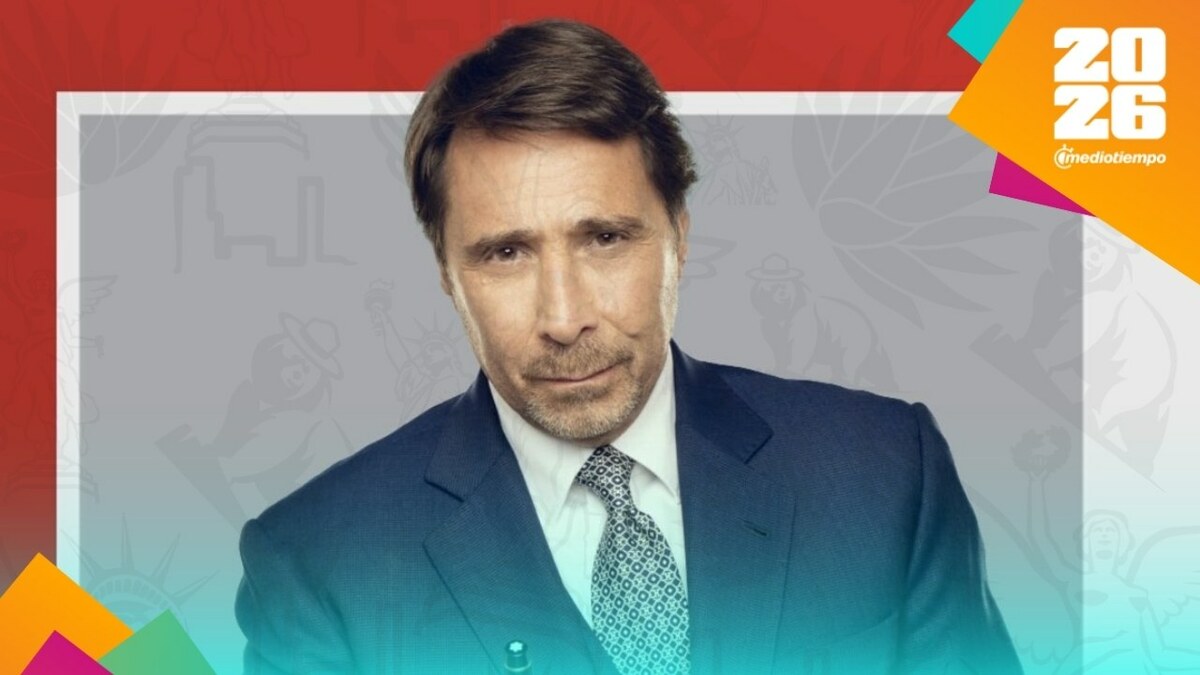
Argentine journalist Eduardo Feinmann recently faced widespread public backlash after publicly stating that he “detested” Mexicans, a comment that prompted a sharp rebuke from then-President-elect Claudia Sheinbaum. The controversy, which unfolded across social media and television platforms, culminated in a series of statements from Feinmann that critics characterized as a forced apology, as the journalist attempted to clarify his stance while simultaneously renewing his critique of the Mexican administration.
The incident gained significant attention after Feinmann, a prominent figure in Argentine media known for his conservative political commentary, directed his remarks toward the Mexican public. The intensity of the reaction was immediate, transcending digital discourse and drawing the attention of high-level political figures. Claudia Sheinbaum, responding to the comments, publicly labeled Feinmann an “ally of the right” in Argentina and described his expressions of animosity as “indignante,” or outrageous, according to reports from Clarín.
Context and Public Reaction
The friction between the journalist and the Mexican political landscape did not exist in a vacuum. Feinmann has frequently utilized his platform to criticize various Latin American administrations, often aligning his rhetoric with ideological opponents of the current Mexican government. The tension reached a boiling point when his comments regarding his feelings toward the Mexican people were amplified by social media users, leading to a viral outcry that demanded a retraction.

Observers have noted that the situation was further complicated by the political polarization currently defining much of the region. As reported by El País, Feinmann’s public declaration of “detesting” Mexicans was perceived not merely as a personal opinion but as a reflection of broader geopolitical tensions between different political factions in Argentina and Mexico. The discourse surrounding the event highlights the influence of media figures in shaping international sentiment and the ease with which localized political critiques can escalate into diplomatic-level friction.
An Apology Amidst Continued Criticism
Following the significant pressure exerted by public opinion and political leaders, Feinmann addressed his previous statements. However, the nature of this address was widely viewed as contentious. Rather than offering a standard retraction, the journalist framed his clarification in a manner that maintained his critical stance toward the Mexican government, specifically targeting the policies and leadership of Claudia Sheinbaum.
According to SDPnoticias, the apology was perceived by many as “obligada” (obligatory) due to the sheer volume of criticism he received. In his attempt to walk back the comments, Feinmann reportedly pivoted to attacking the administration’s record, which resulted in renewed criticism from those who felt his original comments were fundamentally xenophobic. This dynamic underscores a common pattern in digital-era media, where public figures are increasingly held accountable for their remarks, yet often double down on their ideological positions even when attempting to mitigate the fallout of a scandal.
Media Influence and Political Polarization
The controversy also touched upon the perceived alliances between media figures and business leaders. Reports from Julio Astillero identified a viral photograph circulating online that showed Ricardo Salinas Pliego, a prominent Mexican businessman, alongside Feinmann. This image was used by critics to bolster claims that the journalist was part of a coordinated effort by conservative factions to undermine the Mexican government.
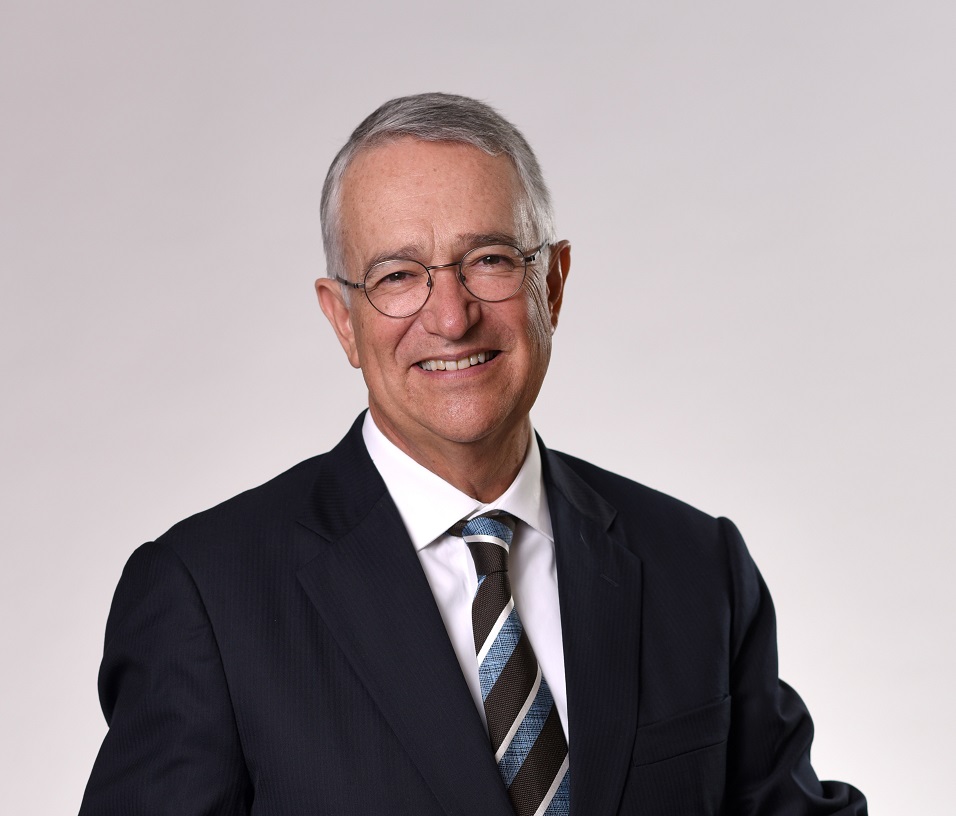
The intersection of media, business interests, and political power remains a point of intense scrutiny. For analysts of regional media, the Feinmann case serves as a clear example of how personal animosities, when expressed by figures with large platforms, can become catalysts for broader political conflicts. The lack of a clear resolution to the tension—given the journalist’s insistence on maintaining his critique of the current leadership—suggests that the friction between these political actors is likely to persist as long as the underlying ideological differences remain unresolved.
As of this reporting, there have been no further official statements from the Mexican government regarding the journalist. Readers interested in following the ongoing discourse or official responses from the involved parties are encouraged to monitor verified news outlets for updates on regional political developments. We invite our readers to share their perspectives on the role of media ethics in international relations in the comments section below.