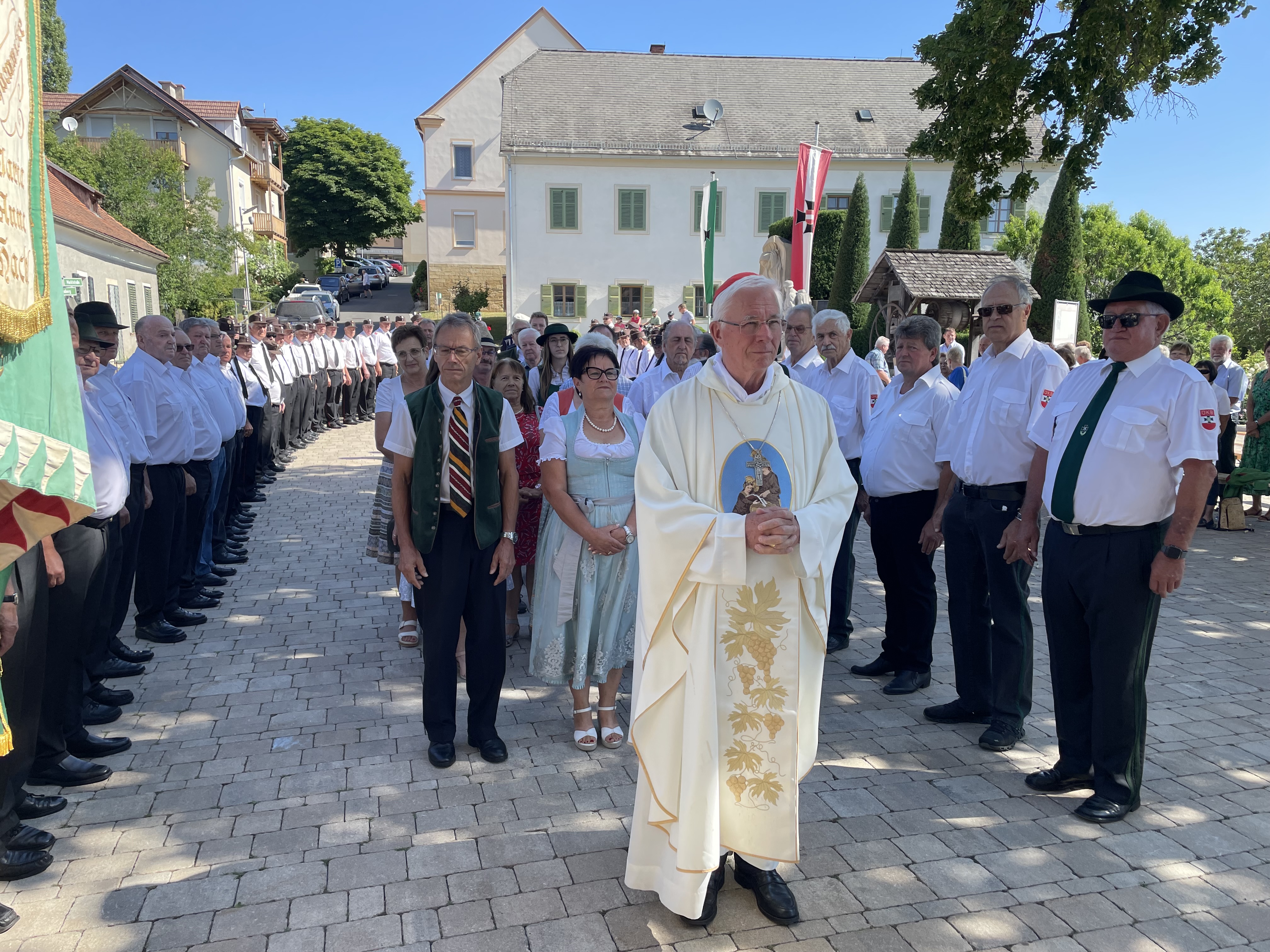
The Catholic Church in Styria, Austria, is marking a significant institutional milestone as it reflects on its long-standing commitment to social welfare, education, and pastoral care. While the phrase “Alles Gute zum 70er” is traditionally used to wish someone a happy 70th birthday, the regional church organization is leveraging this anniversary year to highlight seven decades of development in its social and educational outreach programs. According to official records from the Diocese of Graz-Seckau, the church’s contemporary mission increasingly focuses on the intersection of faith, public education, and support for the aging population.
This milestone serves as a focal point for the diocese to evaluate its ongoing engagement with the “Fonds für Arbeit und Bildung” (Fund for Work and Education), a structural initiative designed to address labor market challenges and provide educational opportunities across the region. By integrating these services into its broader pastoral mission, the church aims to support individuals through various life stages, from early childhood development to specialized care for the elderly in nursing homes.
Pastoral Care in an Aging Society
A central pillar of the church’s current social strategy in Styria is the professionalization of “Pflegeheimseelsorge,” or pastoral care within nursing homes. As the demographic profile of Austria shifts toward an older population, the diocese has expanded its efforts to ensure that spiritual and emotional support is accessible to residents in long-term care facilities. This involves training clergy and lay volunteers to address the specific needs of the elderly, focusing on dignity, presence, and holistic support.
The concept of “Gottesdienst mit allen Sinnen” (Worship with all senses) is frequently cited by diocesan officials as a key methodology for this ministry. This approach recognizes that for individuals with cognitive impairments or physical limitations, traditional liturgical formats may be less effective than sensory-based engagement, which incorporates music, touch, and visual elements to foster spiritual connection. According to the Diocese of Graz-Seckau’s health care ministry department, this inclusive approach is essential for maintaining the mental and spiritual well-being of the institutionalized elderly.
Education and Social Integration
Beyond its work with the elderly, the Styrian Church maintains a substantial footprint in the education sector. The church operates numerous “Bildungseinrichtungen” (educational institutions) that range from kindergartens to adult education centers. These facilities are intended to provide a value-based alternative to secular state education while remaining open to the general public. The church’s involvement in education is framed as a contribution to the “Bildung & Gesellschaft” (Education & Society) discourse, emphasizing that social cohesion is strengthened when educational institutions prioritize ethical development alongside academic achievement.
The “Fonds für Arbeit und Bildung” acts as a financial and organizational conduit for these efforts. By aligning its educational mission with labor market needs, the church seeks to provide vocational training and support for those at risk of social exclusion. This alignment is part of a broader European effort by Catholic dioceses to remain relevant in a secularized labor market. The Austrian Bishops’ Conference has frequently emphasized that the church’s social institutions must remain high-quality, professional providers of service to retain their role as trusted community stakeholders.
Institutional Sustainability
The 70th anniversary period provides an opportunity for the church to address the logistical challenges of maintaining such a wide-reaching social network. Rising costs in nursing and education, combined with a decline in traditional church membership, have forced the diocese to prioritize efficiency and inter-institutional cooperation. According to the Diocesan structural planning reports, the church is currently in a phase of consolidating its administrative functions to ensure that its social and educational programs remain financially viable for the next decade.
The integration of digital services and the modernization of infrastructure remain top priorities for the coming year. As the church prepares for its next series of pastoral and social audits, it continues to invite public feedback regarding the effectiveness of its various programs. Readers interested in the latest developments, upcoming events, or documentation regarding the church’s social initiatives can find official updates via the Diocese of Graz-Seckau News Portal. Community members are encouraged to engage with these programs, whether through participation in local worship services or through volunteering opportunities at regional educational centers.
Related reading