
Mobile applications designed for educational purposes are frequently released with significant security vulnerabilities, exposing user data across both iOS and Android platforms. Security researchers have repeatedly identified that developers often prioritize rapid feature deployment and market entry over the implementation of robust data protection standards, leaving millions of students and educators at risk of potential privacy breaches.
According to findings from the National Cyber Security Centre (NCSC), the rapid integration of digital tools into classroom environments has outpaced the security auditing processes typically applied to enterprise-grade software. This trend creates a lucrative target for cybercriminals, as educational apps often collect sensitive personal information, including names, birth dates, and geolocation data, while lacking the encryption protocols mandated by modern data protection regulations like the General Data Protection Regulation (GDPR).
The Security Gap in Educational Software
The core of the issue lies in the development lifecycle of low-cost or free educational software. Many developers operate with limited budgets, leading to the omission of essential security features such as end-to-end encryption, secure authentication, and regular vulnerability patching. The Cybersecurity and Infrastructure Security Agency (CISA) has documented that educational technology (EdTech) platforms frequently suffer from “insecure direct object references” and “broken access control,” which can allow unauthorized parties to access private user accounts.
Unlike corporate software, which often undergoes rigorous penetration testing, many educational apps are deployed with minimal oversight. When vulnerabilities are discovered, the “time-to-remediate” is often significantly longer than in other sectors. This delay is attributed to a lack of dedicated security personnel within smaller educational software startups, who often view security as a secondary concern compared to user acquisition and functionality.
Risks to Mobile Privacy on iOS and Android
Both Apple’s iOS and Google’s Android ecosystems face distinct challenges regarding educational app security. While Apple maintains a more restrictive “walled garden” approach through its App Store review process, researchers have noted that these reviews primarily focus on policy compliance rather than deep-level code analysis for sophisticated vulnerabilities. Android, due to its more open architecture and the prevalence of third-party app stores, often sees a higher volume of apps with embedded trackers that harvest data without clear user consent, as noted in reports by the Electronic Frontier Foundation (EFF).
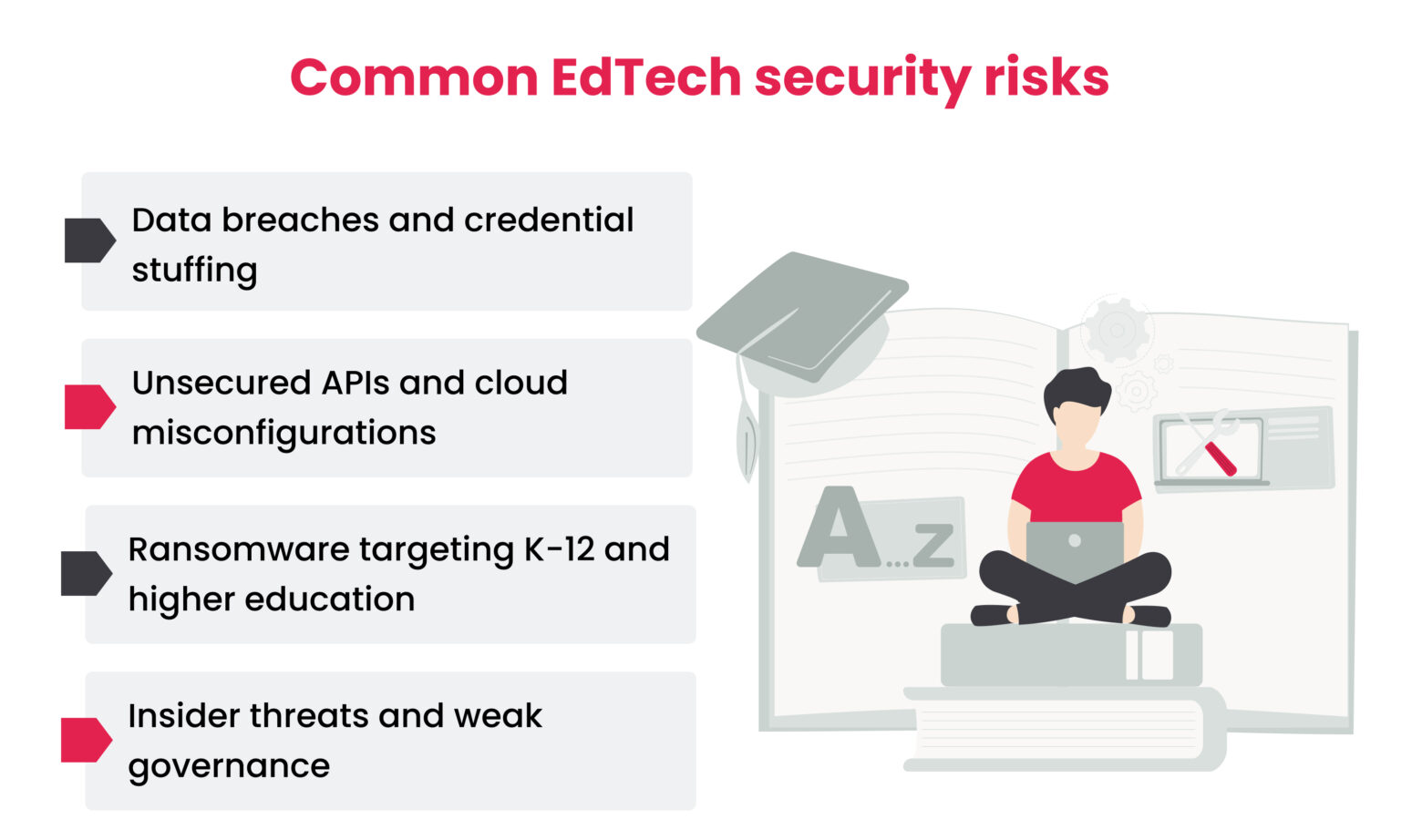
Privacy advocates emphasize that the primary risk is not just the loss of data, but the creation of digital profiles for minors. When these apps share data with third-party advertising networks, they effectively monetize student behavior without parental knowledge. This practice is under increasing scrutiny by regulators, who argue that the “move fast and break things” philosophy of the tech industry is incompatible with the safety requirements of the education sector.
Regulatory Oversight and Future Compliance
Governments are beginning to respond to the systemic neglect of security in educational software. In the United States, the Department of Education’s Student Privacy Policy Office provides guidance on the Children’s Online Privacy Protection Act (COPPA), which mandates that operators of websites or online services directed to children under 13 must provide notice and obtain verifiable parental consent before collecting personal information. However, enforcement remains a challenge as the sheer volume of new applications entering the market each month exceeds the capacity of regulatory bodies to perform thorough audits.
Moving forward, the industry is seeing a push toward “security by design.” This framework requires developers to integrate security protocols at the very inception of the coding process, rather than attempting to patch vulnerabilities after an application has been launched. Educational institutions are also increasingly implementing their own vetting processes, requiring vendors to provide documentation on their data handling practices before approving software for classroom use.
What Educators and Parents Should Do
For those currently utilizing educational mobile applications, cybersecurity experts recommend a proactive approach to data safety. This includes reviewing the privacy policy of any app before installation, specifically looking for clauses related to data sharing with third-party advertisers. Users should also limit the permissions granted to these applications, such as denying access to contacts, cameras, or microphones unless strictly necessary for the app’s functionality.

The next major checkpoint for this issue will arrive with the upcoming update to the European Union’s Data Act, which aims to further standardize the responsibilities of data holders and software providers. As these regulations solidify, developers will face higher legal and financial stakes for failing to secure their platforms. Readers are encouraged to monitor updates from local data protection authorities to stay informed on the shifting landscape of digital privacy in education.
- Ford Nucleon: The 1958 Nuclear-Powered Car Concept That Physics Killed
- Ponte Morandi: Genoa to Seek Major Compensation for Damages, Says Mayor Salis
- Juneau Glacial Outburst Floods: Residents Face Ongoing Risks (news-usa.today)
- Ibogaine Treatment Proposed as Medical Off-Ramp for Kratom Users (archynewsy.com)