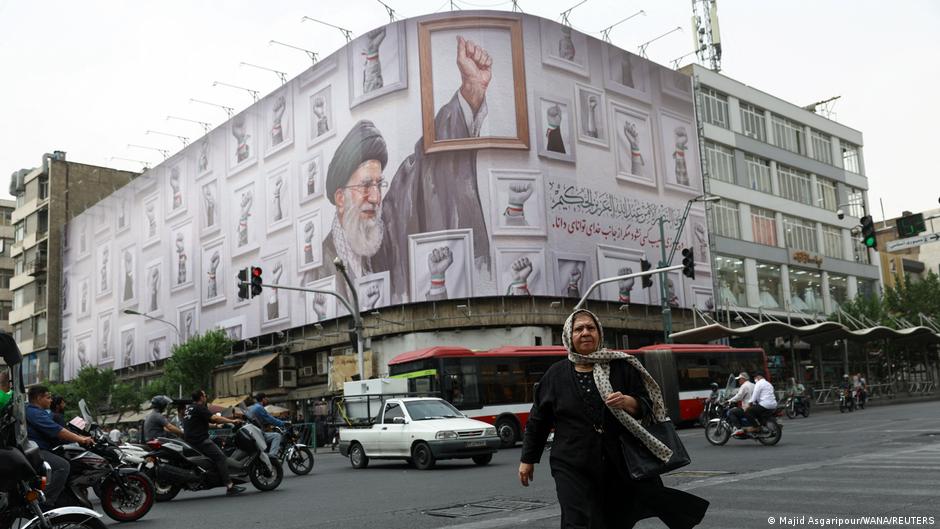
As the geopolitical landscape in the Middle East shifts with rapid intensity, recent reports have emerged detailing a potential diplomatic breakthrough between the United States and Iran. On Thursday, May 28, 2026, international observers turned their attention to the implications of a proposed agreement aimed at stabilizing the strategically vital Strait of Hormuz and extending a fragile ceasefire in the region. This development, which remains subject to significant political scrutiny, arrives at a moment of heightened tension as regional actors navigate overlapping conflicts in Lebanon and beyond.
The core of the reported diplomatic movement centers on a framework intended to address maritime security in the Persian Gulf. According to reports from the Deutsche Welle live coverage of the events, the proposed arrangement would effectively unlock the Strait of Hormuz while concurrently extending a ceasefire agreement for an additional 60-day period. This potential pact is currently positioned as a “pre-agreement,” a status that underscores its tentative nature as it awaits further high-level political endorsement.
Economic Pressures and Diplomatic Restrictions
While diplomatic channels remain active, the United States has simultaneously signaled a hardening of its economic and logistical stance toward Tehran. On May 28, 2026, U.S. Treasury Secretary Scott Bessent announced a new policy regarding the operational capacity of Iranian commercial aviation. The directive aims to restrict Iranian airlines from accessing landing and refueling facilities, as well as limiting their ability to process ticket sales within the U.S. Sphere of influence.

Secretary Bessent noted that this measure is intended to exert pressure on the Iranian government, stating that a “satisfactory result” in ongoing negotiations is necessary to halt the current downward trajectory in relations. However, the Treasury Department has carved out a specific humanitarian exception, allowing for continued travel for Iranian citizens seeking to perform religious pilgrimages to Mecca and Medina in Saudi Arabia. The practical application of these restrictions on a global scale remains a subject of ongoing discussion among international regulatory bodies.
Regional Instability and the Path Forward
The situation remains volatile, with multiple fronts of conflict impacting the diplomatic atmosphere. Reports from the region indicate that Israel has recently intensified its military operations, including a series of strikes in southern Lebanon and an announcement regarding the suspension of relations with the Secretary-General of the United Nations. These events, occurring in the same 24-hour window as the U.S.-Iran diplomatic discussions, illustrate the complex web of interests that policymakers must untangle.
The necessity of the proposed maritime deal is underscored by the strategic importance of the Strait of Hormuz, a critical artery for global energy supplies. Any disruption to the flow of vessels through these waters carries immediate implications for international markets and energy security. The push for a 60-day extension of the ceasefire is viewed by many analysts as a “stop-gap” measure designed to prevent further escalation while broader, more permanent negotiations remain stalled.
Key Takeaways: A Diplomatic Crossroads
- Strait of Hormuz Status: The proposed agreement seeks to ensure the continued, unhindered transit of vessels through this vital maritime chokepoint.
- Ceasefire Extension: Negotiators are pursuing a 60-day window to maintain the current ceasefire, aimed at providing space for de-escalation.
- Aviation Sanctions: The U.S. Treasury has moved to restrict Iranian airline access to refueling and ticketing services, with exceptions for religious travel.
- Regional Context: The diplomatic efforts are unfolding against a backdrop of intensified military activity in Lebanon and a diplomatic rift between Israel and the United Nations.
As of May 28, 2026, the international community awaits further clarification regarding the formalization of these talks. The transition of power and the specific approval requirements noted in recent reports suggest that the path toward a long-term resolution will be determined by the alignment of various political stakeholders. For now, the world watches to see if these tentative commitments can hold against the pressures of ongoing regional conflict.
We invite our readers to share their analysis of these developments in the comments section below. As This represents a developing situation, we will continue to provide updates as official statements are released by the involved parties.
Keep reading
- US Central Command Leads Regional Security Dialogue in Bahrain to Enhance Defense Collaboration
- Juan Celaya: Future Star of Los Angeles 2028 Olympics
- Trump Leans Toward Expanding U.S. Military Operations in Iran (archyworldys.com)
- Trump to Address Nation on Thursday Evening Amid Election Integrity Concerns (time.news)