Navigating Europe’s New Border System: What Travelers need to Know about EES and ETIAS
Europe is implementing meaningful changes to its border control procedures, designed to enhance security and manage migration. These changes, centered around the Entry/Exit System (EES) and the upcoming European Travel Information and Authorisation System (ETIAS), will impact anyone traveling to the EU and Schengen Area. This guide provides a comprehensive overview, addressing concerns and outlining what you need to know for a smooth journey.
What is the Entry/Exit System (EES)?
Launching in phases, starting October 12th, the EES is an automated IT system that registers travelers from non-EU countries each time they cross an EU external border. It replaces the current manual, stamp-based system with a digital record, aiming to improve border management and reduce irregular migration.
Who Does EES Affect?
* Non-EU Nationals: If you are not a citizen of an EU country, you will be subject to EES checks when entering any EU member state (excluding Cyprus and Ireland).
* EEA & Switzerland: The system also applies to Iceland, Liechtenstein, Norway, and Switzerland, as they are part of the European Economic Area.
* British Citizens: Post-Brexit, UK nationals are now also included in the EES requirements.
* Short Stays: The EES applies to those traveling for short stays (up to 90 days within a 180-day period).
What Will Happen at the Border?
When you arrive, you’ll be required to:
* Provide Passport Information: Your passport number will be recorded.
* biometric Data: You’ll have your fingerprints scanned and a photograph taken.
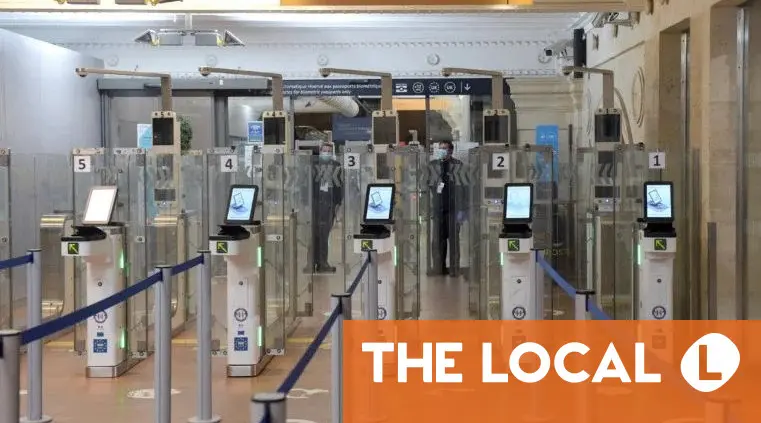
* Automated Kiosks: These procedures will be completed at self-service kiosks at border crossings.
While the EU aims for a seamless transition, concerns exist about potential delays. France, a major tourist destination, acknowledges this as a “major challenge” and is initially implementing a limited number of checks to avoid congestion. Smaller member states may have the system fully operational from the start. All member states will fully implement automated checks by mid-April.
What About the UK Border?
The UK is preparing for increased checks on travelers entering the Schengen Area.Authorities warn that you shoudl expect “a few extra minutes” for processing. Infrastructure, including terminals for biometric data collection, is already in place at key locations like London’s St Pancras station and the port of Dover. Pre-checks will be conducted in Britain before departure.
What is ETIAS?
Following EES, the EU will introduce ETIAS (European Travel Information and Authorisation System).Think of it as Europe’s version of the U.S. ESTA or the UK’s Electronic Travel Authorisation.
* Visa-Exempt Travelers: If you are from a country that currently doesn’t require a visa to enter the EU, you will need to obtain an ETIAS travel authorization before your trip.
* Online Application: You’ll complete an online form and pay a (currently undetermined) fee.
* Enhanced Security: ETIAS is designed to identify and manage potential security or irregular migration risks.
Key Takeaways & How to Prepare:
* Allow Extra Time: Especially during the initial rollout of EES, anticipate possibly longer queues at border crossings.
* Ensure passport Validity: Confirm your passport meets the EU’s entry requirements (validity, etc.).
* Stay Informed: Monitor official EU and national government websites for updates on EES and ETIAS implementation.
* ETIAS Application: Be prepared to apply for ETIAS once the system is live.
* understand Your Rights: You can find information on opting out of biometric data collection here.
resources for Further Information:
* **What will new EES border checks mean for non-EU residents in Europe


![EUDA & QB Token: Boosting the Digital Health Ecosystem | [Year] Update](https://i0.wp.com/www.hospitalmanagement.net/wp-content/uploads/sites/9/2025/12/Hospital-5-23-12-2025-shutterstock_2284890973.jpg?resize=150%2C100&ssl=1 "EUDA & QB Token: Boosting the Digital Health Ecosystem | [Year] Update")