
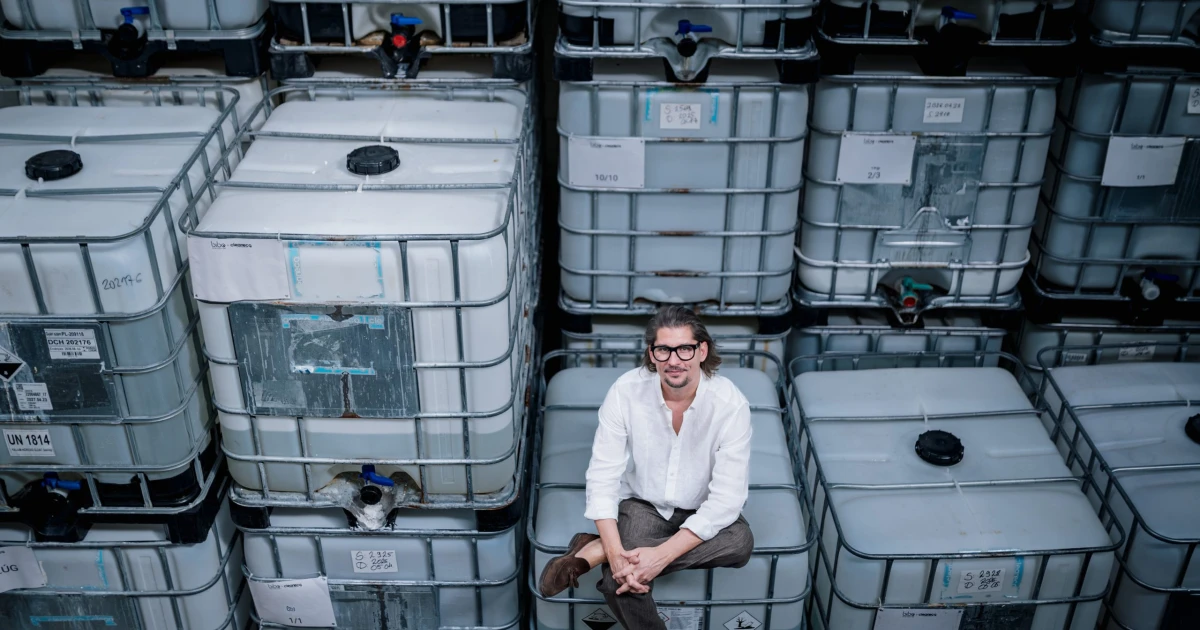
Károlyi Zoltán, the founder of the Hungarian sustainable logistics company Greenline, has transformed a single-van operation into a prominent supplier for the hospitality and catering industry. The company, which focuses on environmentally conscious delivery solutions, recently secured a strategic investment from entrepreneur Zoltán Gerendai, a key figure in the Hungarian cultural and festival sector. This partnership marks a significant scaling phase for the business, which now serves a wide range of clients within the food service and hospitality markets.
From Single-Van Startup to Sustainable Logistics Leader
The journey of Greenline began with a modest logistical footprint, relying on a single vehicle to manage deliveries for local partners. Over the past several years, the company has carved out a niche by offering carbon-conscious transport options for businesses that face increasing pressure to reduce their supply chain emissions. According to official company records, the firm has prioritized the electrification of its fleet to meet the demands of the modern urban logistics landscape.
The transition toward greener logistics is not merely a branding exercise but a response to shifting regulatory environments. As European Union directives continue to tighten emissions standards for commercial transport, businesses like Greenline provide a necessary service for restaurants and event organizers aiming to comply with ESG (Environmental, Social, and Governance) reporting requirements. The company’s growth trajectory reflects the broader trend of “last-mile” delivery services seeking to mitigate their environmental impact through optimized routing and fleet renewal.
Strategic Investment and Industry Expansion
The entry of Zoltán Gerendai into the company’s ownership structure serves as a notable endorsement of its business model. Gerendai, best known for his long-standing involvement in the Sziget Festival and various high-profile restaurant ventures in Budapest, brings both capital and significant industry connections to the enterprise. His investment is designed to accelerate the company’s infrastructure development and widen its distribution network.
For the hospitality industry, the partnership between a logistics provider and a major cultural stakeholder suggests a move toward more integrated supply chains. By leveraging Gerendai’s experience in large-scale event management, Greenline is positioned to handle the complex logistical demands of festivals and high-volume catering, which often require strict delivery windows and temperature-controlled transport. This expansion into event-based logistics represents a diversification from the firm’s traditional restaurant supply roots.
The Future of Green Logistics in Hospitality
As the business sector looks toward 2025, the focus remains on scaling operations without compromising sustainability. The integration of technology in delivery management is expected to be a primary area of development for the firm. By utilizing data-driven route planning, the company aims to reduce the number of delivery vehicles on the road, thereby cutting both operating costs and carbon output.
While the company has not yet released its next public financial filing, observers note that the partnership signals a consolidation of service providers within the Hungarian market. For small and medium-sized businesses in the food sector, the ability to outsource logistics to a specialized, green-certified partner is becoming an essential component of operational strategy. The company continues to accept new client inquiries through its official business channels, with updates on service capacity expected to be communicated via their corporate portal as they integrate the new capital investment.
Readers interested in the evolution of sustainable business practices in the region are encouraged to share their thoughts or experiences with green supply chain logistics in the comments section below.