The Egyptian government has unveiled a second package of tax facilities designed to stimulate investment, ease the administrative burden on businesses, and bolster the national capital market. According to statements from the Ministry of Finance, the new measures include shifting from a capital gains tax to a stamp duty for stock market transactions and providing targeted tax relief for the industrial and healthcare sectors.
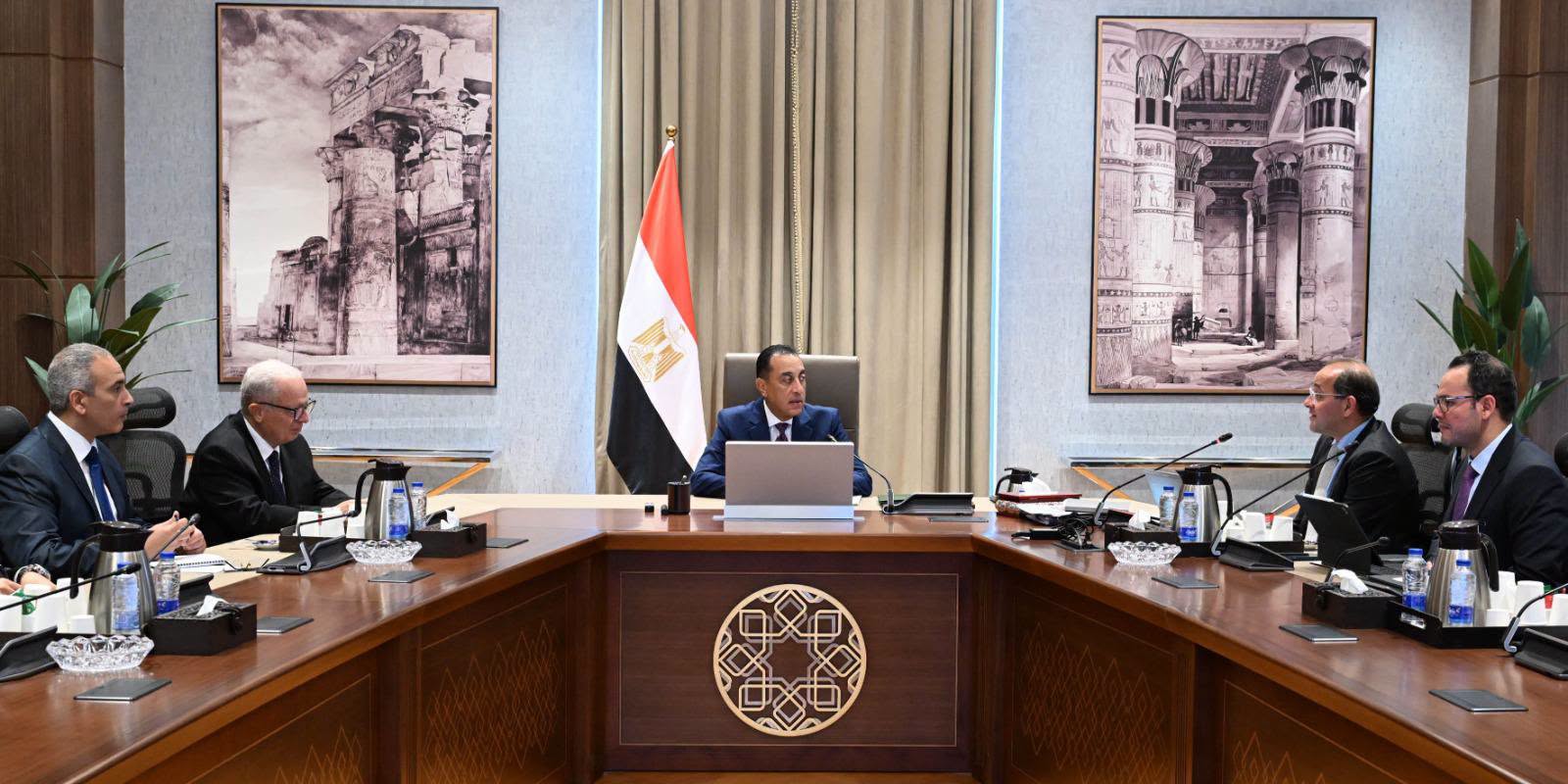
Minister of Finance Ahmed Kouchouk detailed these initiatives during a high-level meeting with Prime Minister Mostafa Madbouly and Deputy Prime Minister for Economic Affairs Hussein Issa. The government’s stated strategy involves transitioning the tax environment toward a service-oriented model, prioritizing simplification and incentives to encourage participation in the Egyptian economy.
Capital Markets and Tax Reform
A primary feature of the second tax package is the proposed replacement of the capital gains tax on stock market transactions with a stamp duty. Government officials anticipate that this change will stimulate higher trading volumes on the Egyptian Exchange. Furthermore, to incentivize corporate growth, the ministry is introducing a three-year investment incentive program for companies that choose to list on the Egyptian Exchange, a move intended to guarantee an increase in trading volume and investments.
The Ministry of Finance maintains that these adjustments are part of a broader effort to make the Egyptian capital market more competitive.
Industrial and Healthcare Support
The government is also moving to lower costs for critical sectors by extending the suspension of Value-Added Tax (VAT) payments on machinery and equipment. The suspension period for industrial production equipment and medical devices will be extended from two years to four years.
Additionally, the government is implementing specific tax exemptions for the healthcare sector. According to the Ministry of Finance, the VAT on medical devices will be reduced from 14 percent to 5 percent. Further, inputs for kidney dialysis machines—including filters, parts, and essential supplies—will be entirely exempt from VAT.
Business and Property Measures
For the wider business community, the government has announced that the solidarity contribution will be deducted from the tax base, a change intended to alleviate the overall financial burden on taxpayers. To address outstanding legal issues, the government plans to renew the tax dispute resolution law until the end of next December. This extension is intended to encourage taxpayers to settle existing disputes voluntarily, thereby reducing the number of cases moving through the court system.
Regarding real estate, the tax on property dispositions for individuals will remain at 2.5 percent of the unit’s sale value. However, the new package introduces a full exemption for property transfers between spouses, children, and direct descendants.
Future Implementation
Minister Kouchouk emphasized that the Ministry of Finance is preparing tax offices for the implementation of these measures, ensuring that administrative processes are flexible and efficient. The execution of these facilities is contingent upon the official issuance of the governing laws.
Keep reading