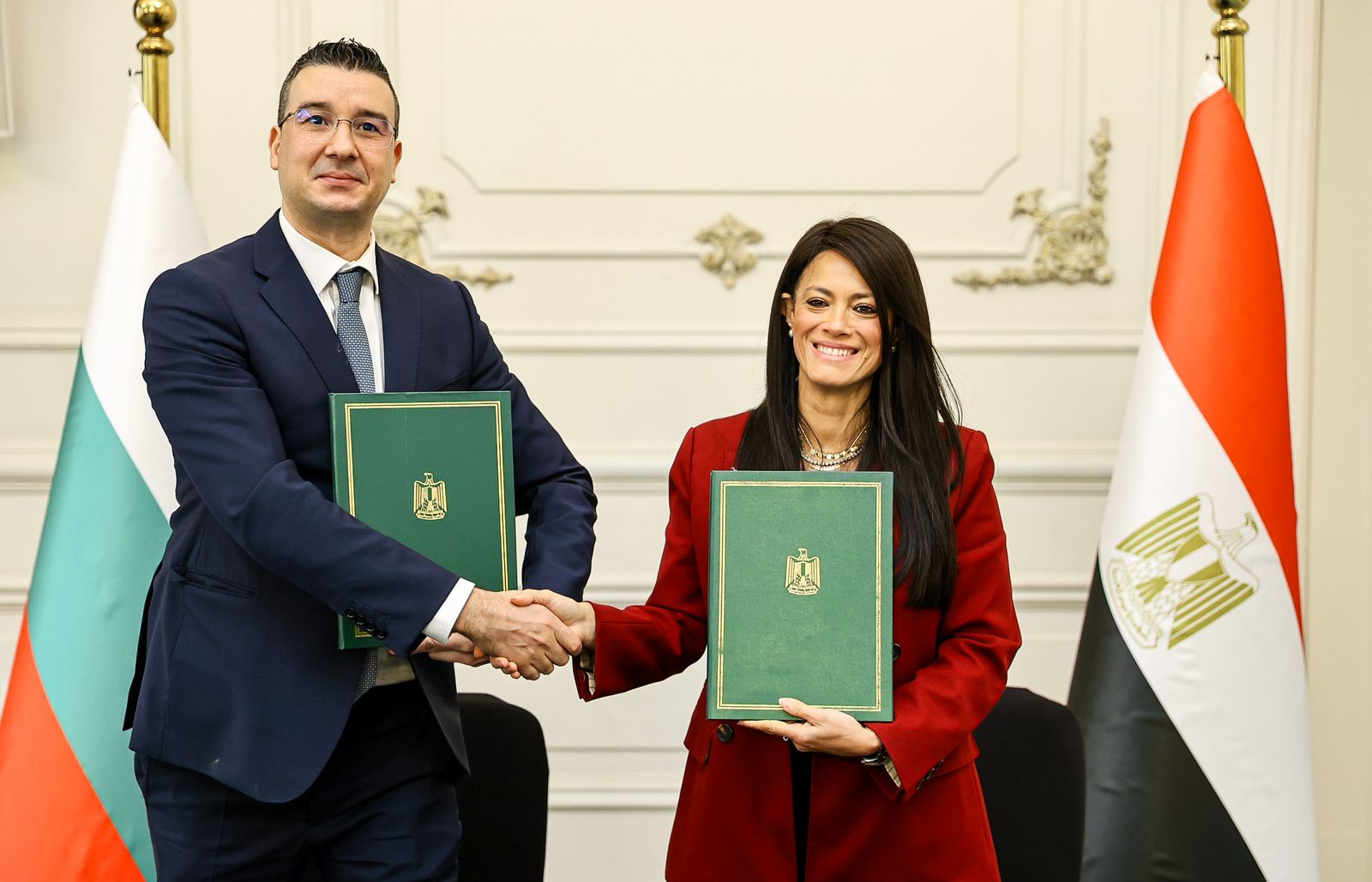
Egypt and Bulgaria Forge Stronger Economic Ties: A Deep Dive into the New Strategic Partnership
The relationship between egypt and Bulgaria is entering a new era of collaboration, solidified by a recently signed protocol aimed at boosting cooperation across 19 key sectors. This agreement, finalized in December 2024, isn’t just a symbolic gesture; it’s a strategic move to significantly enhance economic relations between the two nations as they approach the centenary of their diplomatic ties in 2026. But what does this partnership really mean for businesses, investors, and the future of trade between Egypt and Bulgaria? Let’s explore the details.
The protocol was the culmination of the Egyptian-bulgarian Joint Committee for Economic, Scientific, and Technical Cooperation, co-chaired by Egypt’s Minister of Planning, Economic Development, and International Cooperation, Rania Al-Mashat, and Bulgaria’s Minister of Economy and Industry, Peter dilov.The meeting, held in egypt’s New Administrative Capital, underscored the commitment of both governments to fostering a more robust and mutually beneficial partnership. Currently, trade exchange between Egypt and Bulgaria stands at nearly $1 billion (as of 2024), a figure both nations are determined to surpass.
Expanding the Scope of Cooperation: Beyond Trade
This isn’t simply about increasing the volume of goods exchanged. The protocol outlines a broad spectrum of collaborative opportunities, extending far beyond traditional trade. key areas of focus include:
* Renewable Energy: Egypt’s enterprising green transition plans, aiming for 42% renewable energy by 2030 (according to the Ministry of Electricity and Renewable Energy), align perfectly with Bulgaria’s expertise in electricity and renewable energy technologies. This presents opportunities for joint ventures in solar, wind, and potentially hydrogen energy production.
* Industry & Investment: The agreement specifically encourages Bulgarian investment in Egypt’s Suez Canal Economic Zone (SCZone), positioning it as a strategic hub for accessing African markets. This is especially attractive given the African Continental Free Trade Area (AfCFTA), which aims to create a single market for goods and services across Africa.
* High-Value Sectors: Both countries are prioritizing collaboration in automotive manufacturing, pharmaceuticals, and technology - sectors poised for significant growth in the coming years.
* Engineering & Electronics: Leveraging Bulgaria’s established engineering and electronics industries with Egypt’s growing manufacturing base.
* Chemical Industries & Military production: Exploring joint projects in these strategically crucial sectors.
* Agriculture: Focusing on agricultural research, including genetic engineering and organic agriculture, to enhance food security and lasting farming practices.
* Cybersecurity & Environmental Protection: Addressing modern challenges through collaborative research and development.
* Tourism: Promoting tourism exchange and developing joint tourism initiatives.
The protocol also emphasizes the importance of increased private sector engagement. This will be facilitated through trade forums, exhibitions, and targeted business-to-business meetings. According to a recent report by the Egyptian Chamber of Commerce, private sector investment is crucial for achieving sustainable economic growth and diversification.
The Suez Canal Economic Zone: A Gateway to Africa
The SCZone is a central pillar of this new partnership. Bulgarian companies are being actively invited to invest in the zone, capitalizing on its strategic location and logistical advantages. The SCZone offers a range of incentives,including tax breaks,streamlined customs procedures,and access to a skilled workforce. This makes it an ideal location for Bulgarian businesses seeking to expand their reach into African markets. The SCZone’s development aligns with Egypt’s broader strategy to become a regional logistics and trade hub.
Strengthening the EU-Egypt Strategic Partnership
This bilateral agreement isn’t happening in isolation. Both Egypt and Bulgaria recognize the importance of strengthening the broader strategic partnership between the European Union and Egypt. The protocol aims to complement existing EU initiatives and contribute to greater regional stability and economic integration. This is particularly relevant given the EU’s increasing focus on diversifying its supply chains and strengthening its relationships with key partners in the Middle East and Africa.
**what are your thoughts on the potential impact of this partnership? Do you see opportunities