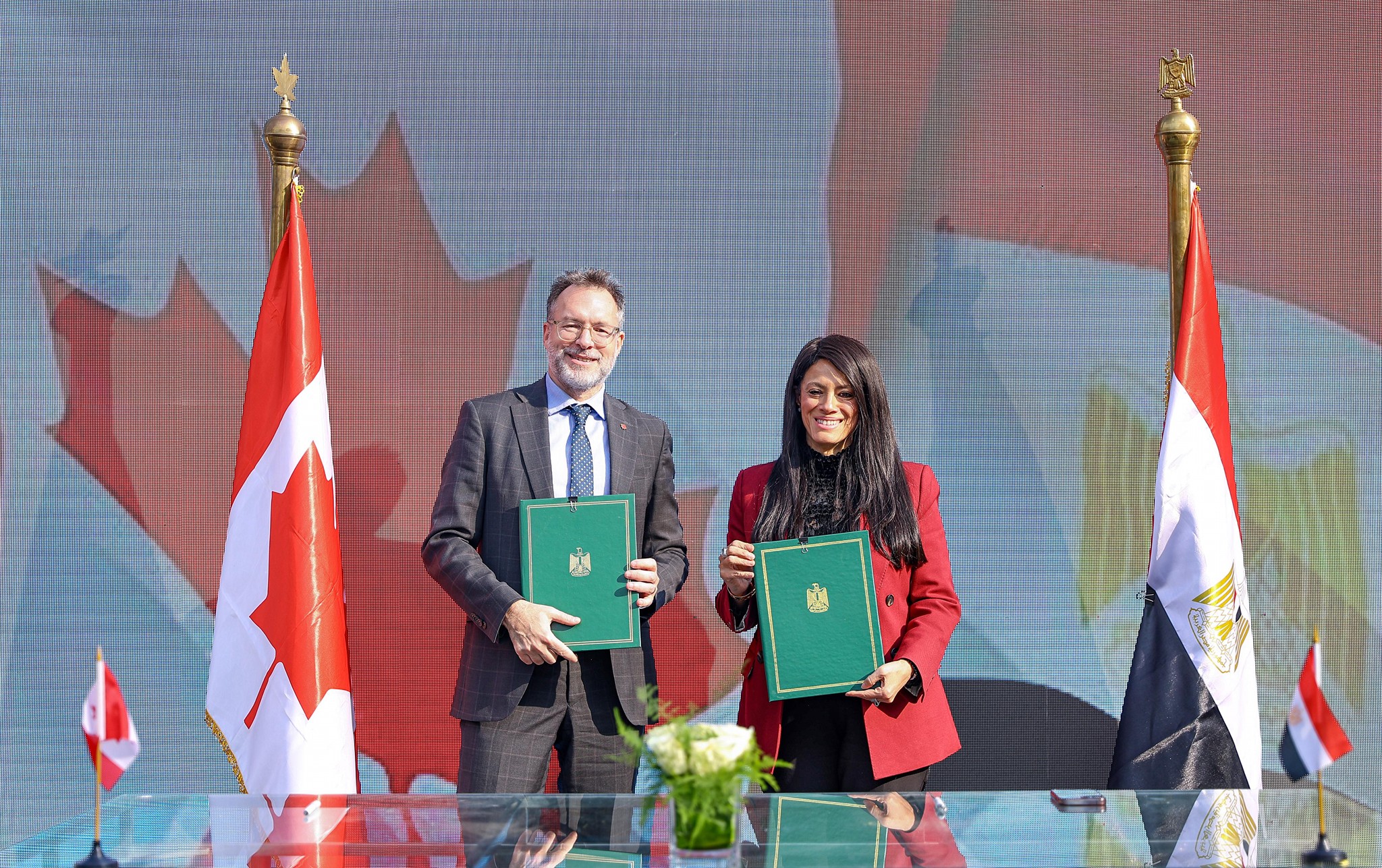
Egypt & Canada Strengthen Partnership: A Deep Dive into New Development Grants
International development cooperation is crucial for fostering sustainable growth,and the recent agreements between Egypt and Canada exemplify this. This article provides a comprehensive overview of the newly signed grant agreements – totaling approximately EGP 552 million – focusing on women’s empowerment, food security, and refugee support.We’ll explore the details of each project, analyze the broader implications for Egypt’s development goals, and discuss the importance of this continued partnership. Understanding these initiatives is vital for stakeholders interested in Egypt’s socio-economic progress and the role of international aid.
Did You Know? Canada has been a long-standing development partner of Egypt, with a current portfolio of approximately CAD 40 million (EGP 1.4 billion) invested across various sectors.
Understanding the Scope of Canadian aid to Egypt
Before diving into the specifics of the new grants, it’s vital to contextualize the existing relationship. Canada’s development assistance to Egypt has historically focused on key areas like economic development, healthcare, education, and increasingly, climate-smart agriculture. This reflects a commitment to supporting Egypt’s national development plan, Vision 2030, which prioritizes sustainable and inclusive growth. The recent funding builds upon this foundation, addressing critical needs within vulnerable populations.
Pro Tip: To stay updated on international development projects in Egypt, regularly check the websites of the Ministry of Planning, Economic Development and International Cooperation and partner organizations like the UNHCR and UNICEF.
Project Breakdown: A Detailed Analysis
The three grant agreements, signed on December 17th, 2025, represent a targeted approach to addressing specific challenges. Let’s examine each project in detail:
1. Comprehensive Support for Refugee Women and Girls in Egypt
This project, implemented by the United Nations high Commissioner for Refugees (UNHCR), receives critically important funding to bolster social inclusion and protection for female refugees. The UNHCR estimates that Egypt hosts over 260,000 registered refugees and asylum-seekers as of November 2024 (UNHCR Egypt Data Portal). This initiative will operate in Greater Cairo, Alexandria, Damietta, and Aswan, focusing on improving access to essential services like healthcare, education, and legal assistance.
* Key Objectives: enhanced protection mechanisms,improved living standards,increased access to livelihood opportunities.
* Target Beneficiaries: Vulnerable female refugees and girls.
* Geographical Focus: Greater Cairo, Alexandria, Damietta, and Aswan.
* Potential Impact: Reduced vulnerability to exploitation, increased self-reliance, and improved integration into host communities.
2. Food for the Future: Nutrition for Mothers and Girls
Implemented jointly by UNICEF and the Ministry of Health and Population, this project tackles the critical issue of maternal and child nutrition. Egypt faces challenges related to stunting and micronutrient deficiencies, particularly among children under five (World Bank Data, 2024). “Food for the Future” aims to improve healthcare quality and nutritional outcomes in Assiut,Qena,Sohag,Sharkia,Gharbia,Beheira,Cairo,and Giza.
* Key Objectives: Improved maternal and child nutrition,enhanced healthcare quality,strengthened education and training programs.
* Target Beneficiaries: Mothers and girls in targeted governorates.
* Geographical focus: Assiut, Qena, Sohag, Sharkia, Gharbia, Beheira, Cairo, and Giza.
* potential Impact: Reduced rates of malnutrition, improved health outcomes, and enhanced cognitive development.
3. Empowering Women and Adolescent Girls in Upper Egypt (Masarat)
This project, a collaboration between the ministry of Health and the National Council for Women, directly addresses gender equality and reproductive health access in Assiut and Minya. upper Egypt often experiences disparities in access to healthcare and educational opportunities for women and girls. “Masarat” seeks to bridge this gap by providing targeted interventions.
* Key Objectives: Increased access to reproductive health services, promotion of gender equality, empowerment of women and adolescent girls.
* Target Beneficiaries: Women and adolescent girls in Assiut and Minya.
* Geographical Focus: Assiut and Minya.
* Potential Impact: improved reproductive health outcomes, increased female empowerment, and reduced gender-based violence.
Here’s a rapid comparison of the projects: