
Egypt Declares Victory Over Trachoma: A Public Health Triumph Built on Collaboration and Lasting Solutions
For centuries, trachoma – a preventable eye infection – has plagued vulnerable communities, leading to blindness and significant public health burdens. Today, Egypt joins the growing ranks of nations successfully eliminating this “ancient disease,” marking a significant milestone in global health and demonstrating the power of sustained commitment, strategic partnerships, and evidence-based interventions. In 2024, the World Health Organization (WHO) validated Egypt’s success in eliminating trachoma as a public health problem, a testament to over two decades of dedicated effort.
A Strategic Approach: The SAFE Strategy and Beyond
Sence 2002, the Egyptian Ministry of Health and Population (MOHP), in close collaboration with the WHO and a diverse network of national and international stakeholders, has systematically tackled trachoma through the globally recognized SAFE strategy. this thorough approach encompasses:
* Surgery for Trichiasis: Corrective surgery to alleviate the painful and blinding effects of inward-turning eyelashes.
* Antibiotics: Targeted antibiotic distribution to clear Chlamydia trachomatis, the bacterium responsible for trachoma infections.
* Facial Cleanliness: Promoting hygiene practices, notably handwashing and face washing, to interrupt transmission.
* Environmental Improvement: Enhancing access to clean water and sanitation, addressing the root causes of trachoma’s persistence.
Recent data, gathered through extensive mapping and surveillance across all 27 Egyptian governorates between 2015 and 2025, reveals a consistent decline in active trachoma among children aged 1-9 years. Critically, the prevalence of blinding complications in adults has also fallen below WHO elimination thresholds nationwide. This success is now being further solidified through the integration of trachoma surveillance into Egypt’s national electronic disease reporting system, enabling rapid detection and response to any potential resurgence.
More than Just a Health Victory: A Reflection of National Growth
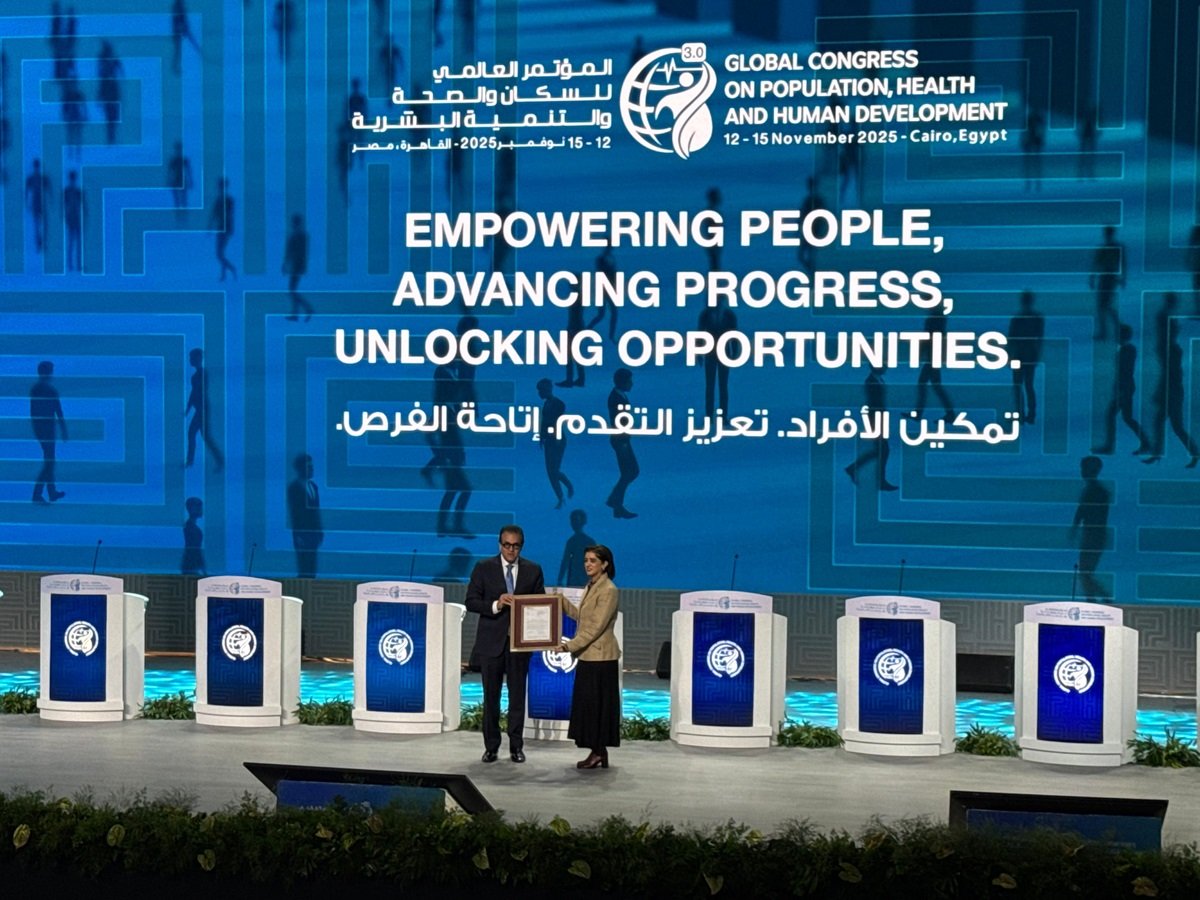
The elimination of trachoma isn’t solely a public health achievement; it’s a powerful indicator of broader socio-economic progress. As stated by Professor Dr. Khaled abdel Ghaffar, Deputy Prime Minister and Minister of Health and Population, “Egypt’s elimination of trachoma underscores the nation’s sustained commitment to equitable healthcare delivery and the transformative impact of initiatives such as Haya Karima.” the Haya Karima (Decent Life) initiative, a national project focused on improving living standards in rural communities, has been instrumental in expanding access to essential services like safe water, sanitation, and primary healthcare - all critical components in preventing trachoma’s spread.
Building on Success: Egypt’s Expanding Portfolio of disease Elimination
Egypt’s triumph over trachoma builds upon a strong track record of communicable disease control.The country has previously been validated by the WHO for eliminating lymphatic filariasis (in 2018) and has successfully eradicated polio,measles,rubella,and,most recently,malaria. This consistent success demonstrates a robust public health infrastructure and a dedicated workforce capable of tackling complex health challenges.
“This milestone adds to Egypt’s strong track record… It demonstrates what can be achieved when political commitment, strong partnerships and years of sustained public health efforts… come together,” notes Dr. Nima Abid, WHO Representative to Egypt. Egypt’s experience serves as an inspiring model for other nations in the WHO Eastern Mediterranean Region and globally.
The Power of Partnership: A Collaborative Effort
The elimination of trachoma in Egypt was a truly collaborative undertaking. The MOHP provided national leadership and coordination, while the WHO offered crucial technical guidance, monitoring, and validation support. Significant financial and technical contributions were also provided by a wide range of partners, including:
* Haya Karima Foundation
* Eastern Mediterranean Region Trachoma Alliance
* Nourseen Charity Foundation
* International trachoma Initiative
* Global Trachoma Mapping Project
* Sightsavers
* CBM
* Kilimanjaro Center for Community Ophthalmology
* Magrabi Foundation
* Tropical Data global initiative
Dr. Hanan Balkhy, WHO Regional Director for the Eastern Mediterranean, emphasized the importance of this collaborative spirit: “Together, we have proven that with collaboration and persistence, elimination is achievable.”
Understanding Trachoma: A Preventable Blindness
Trachoma is caused by the bacterium Chlamydia trachomatis and spreads through close personal contact, often via contaminated hands, clothing, and flies.Repeated infections lead to scarring of the eyelid, causing eyelashes to turn inward and scratch the cornea, resulting in excruciating pain and eventual blindness. The disease disproportionately affects vulnerable populations with limited access to clean water and sanitation.
The WHO launched the GET2020 initiative in 1998 to accelerate global trachoma elimination. While the 2020 target wasn’t fully met globally,





