Egypt’s Military Businesses Face Increased Scrutiny as Tax Revenue Rises
Cairo – A recent shift in Egypt’s tax code, removing exemptions previously afforded to state-owned enterprises, is yielding significant revenue for the government and sparking debate about the role of the military in the nation’s economy. Egypt’s Ministry of Finance has published data indicating that these enterprises contributed 67 billion Egyptian pounds (approximately US$1.4 billion as of February 28, 2026) in tax revenue during the fiscal year 2024/25. The Ministry projects this figure will rise to 87 billion pounds (roughly US$1.7 billion) in the current fiscal year, 2025/26. This marks a significant change, as military-owned businesses have historically operated with substantial financial advantages, including exemption from taxation.
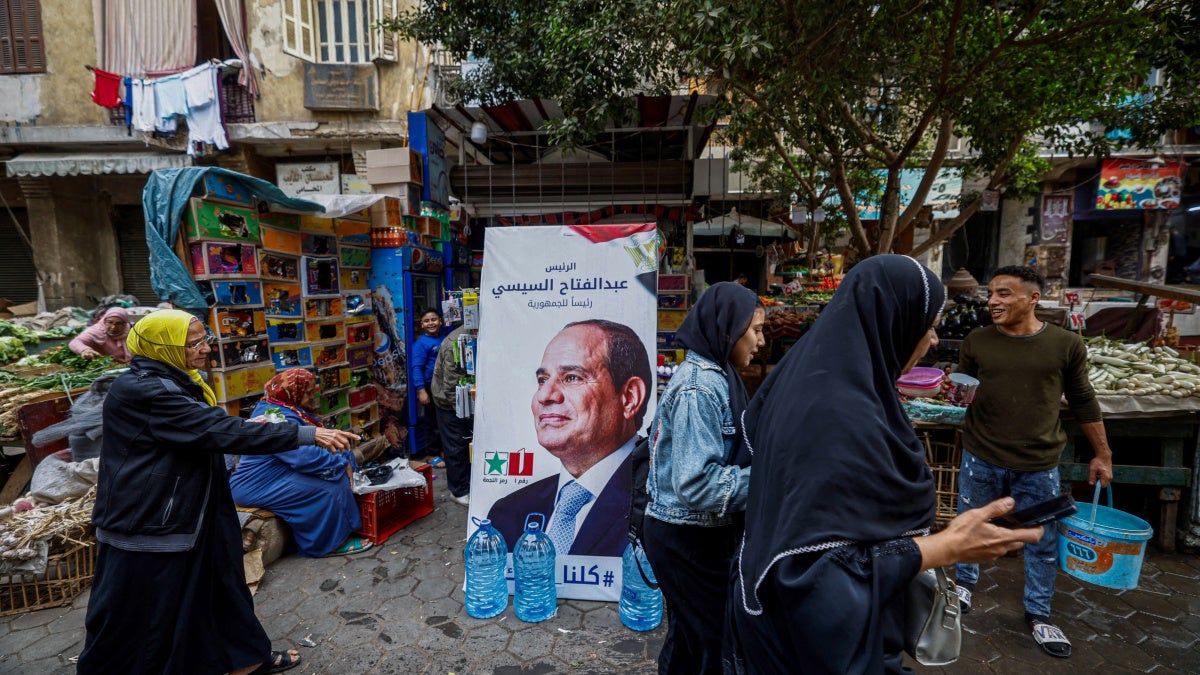
The increased revenue stream comes amidst growing calls for greater transparency regarding the Egyptian military’s extensive economic holdings. Since assuming power in 2014, President Abdel Fattah al-Sisi has overseen a considerable expansion of the military’s involvement in civilian sectors, ranging from infrastructure and agriculture to consumer goods and services. These businesses, often operating with limited civilian oversight, have long been a source of concern for human rights advocates and economic analysts who argue they distort the market, stifle competition, and divert resources from essential public services. The lack of transparency surrounding these operations has also fueled allegations of corruption and abuse of power.
The Military’s Expanding Economic Footprint
For decades, the Egyptian military has maintained a significant, and largely opaque, presence in the country’s economy. According to a 2019 report by the Carnegie Endowment for International Peace, the military’s economic activities have grown exponentially under President Sisi, extending into nearly all sectors. These businesses, which include cement factories, gas stations, and even poultry farms, have historically benefited from exemptions from taxes, regulations, and civilian oversight. This preferential treatment has allowed them to accumulate substantial wealth, operating outside the traditional budgetary constraints faced by other state-owned enterprises and private companies.
Human Rights Watch and other organizations have consistently advocated for greater transparency in the operations of these military-owned businesses. They argue that the lack of accountability creates opportunities for corruption and undermines the rule of law. The International Monetary Fund (IMF) has also pressed for reforms, as highlighted in a November 2020 report calling for transparency regarding the financial activities of Egypt’s military firms. The recent tax reforms, while a step in the right direction, are seen by many as a response to pressure from the IMF, which approved a US$2.27 billion disbursement as part of an US$8 billion loan program last week.
Implications for Egypt’s Economy and Human Rights
The increased tax revenue generated from military-owned businesses represents a potentially significant boost for Egypt’s public finances. A government report published in April 2024, as part of the IMF program, estimated that tax exemptions across all state-owned enterprises cost the government between 3 and 4.5 percent of GDP. This revenue could be allocated to critical social programs, such as education and healthcare, which have faced chronic underfunding. In fact, the country’s 2025/26 education budget is only 1.5 percent of GDP, according to recent reports. Human Rights Watch has documented how insufficient funding has severely undermined access to quality education and healthcare for many Egyptians.
However, simply collecting more revenue is not enough. Advocates emphasize that the funds must be directed towards programs that directly benefit the population and address systemic inequalities. Notice concerns that the revenue could be absorbed into the military’s budget, further entrenching its power and influence. The potential for misuse of funds is particularly acute given the military’s history of operating with limited transparency and accountability. The legal amendments enacted in 2023 and 2024, while removing some tax exemptions, include broad exceptions for defense and national security, raising concerns that these exceptions could be used to shield military businesses from scrutiny.
Concerns Remain Regarding Transparency and Accountability
Despite the recent changes, significant challenges remain in ensuring transparency and accountability within Egypt’s military-owned economy. The lack of independent oversight and the opaque nature of these businesses continue to raise concerns about potential corruption and abuse of power. Reports have linked military businesses to abusive conduct, including forced evictions and environmental damage. The Carnegie Endowment for International Peace has also published research highlighting potential environmental concerns related to military-managed civilian projects.
The ongoing IMF program provides an opportunity to push for further reforms, including greater transparency in government procurement processes and stronger regulations to prevent conflicts of interest. However, the success of these efforts will depend on the Egyptian government’s willingness to genuinely address the underlying issues of corruption and lack of accountability. The recent tax reforms, while a positive development, are only a first step towards creating a more equitable and transparent economic system in Egypt. The true impact of this change will be determined by how the newly generated revenue is allocated and whether it leads to tangible improvements in the lives of ordinary Egyptians.
Key Takeaways
- Egypt’s Ministry of Finance reports a significant increase in tax revenue from state-owned enterprises following the removal of tax exemptions.
- The majority of this revenue appears to originate from military-owned businesses, which have historically enjoyed preferential tax treatment.
- The IMF has played a role in pushing for these reforms as part of its ongoing loan program with Egypt.
- Concerns remain regarding transparency and accountability within the military’s economic holdings.
- Advocates emphasize the need to ensure that the increased revenue is allocated to essential social programs, such as education and healthcare.
Looking ahead, the IMF is scheduled to conduct its next review of Egypt’s economic program in May 2026. This review will assess the government’s progress in implementing the agreed-upon reforms, including those related to transparency and accountability. Readers are encouraged to share their perspectives and engage in constructive dialogue about the implications of these developments for Egypt’s future.
Related reading