Egypt’s Economic Trajectory: Securing $9.5 Billion in Concessional Financing & Future Reforms
Egypt is strategically bolstering its economic stability and future growth through a concerted effort to attract concessional financing and implement crucial structural reforms. Since the beginning of 2023, the nation has successfully secured $9.5 billion in favorable loan terms,directly linked to initiatives designed to enhance economic performance and foster a more robust private sector. This influx of capital, coupled with disciplined fiscal management, signals a pivotal shift for the Egyptian economy, moving beyond crisis management towards sustained stability and long-term prosperity.But what does this mean for investors, businesses, and the average Egyptian citizen?
Fiscal Discipline & The Rise of Private Sector Investment
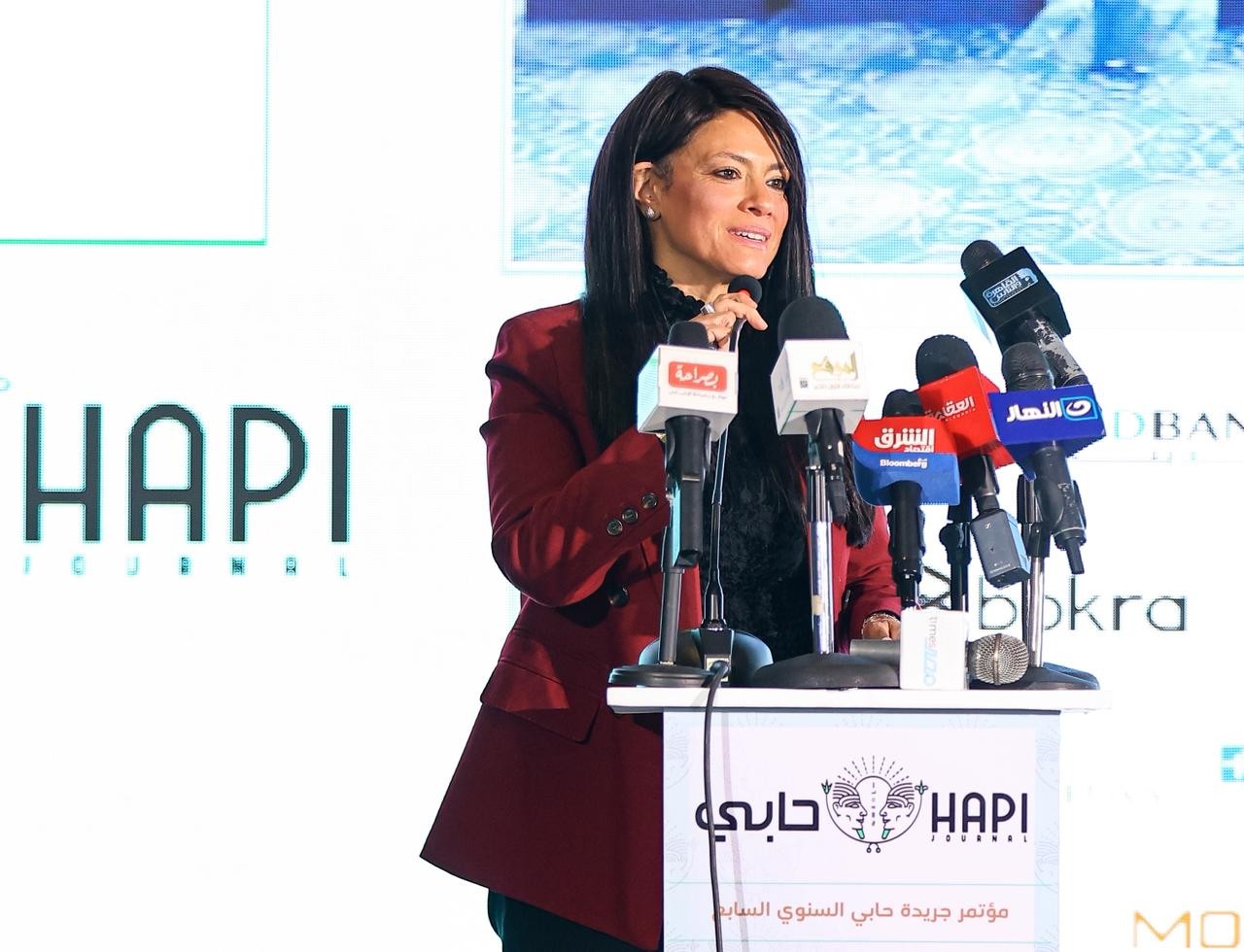
Minister of Planning, Economic Progress, and International Cooperation, Rania Al-Mashat, highlighted the government’s commitment to fiscal responsibility at a recent economic competitiveness conference. A key component of this strategy has been adhering to a public investment spending ceiling of EGP 1 trillion for the 2024/25 fiscal year. preliminary data indicates strong adherence, with actual public investments reaching EGP 922 billion – a remarkable 92% of the allocated target. This disciplined approach isn’t about austerity; it’s about creating fiscal space.
By carefully managing public expenditure, the government is actively paving the way for increased private sector participation. Currently, the private sector accounts for 63% of total investments, a meaningful increase driven by enhanced investor confidence and a more predictable economic policy landscape. This trend aligns with Egypt’s broader vision of diversifying its economy and reducing reliance on public funding. Recent reports from the World Bank (https://www.worldbank.org/en/country/egypt) emphasize the importance of private sector-led growth for sustainable development in Egypt.
Furthermore, the government is actively working to streamline regulations and incentivize entrepreneurship. The adoption of a unified definition for startups is a prime example, enabling thes innovative companies to access vital government support and funding opportunities. This focus on fostering a thriving startup ecosystem is crucial for job creation and economic diversification.
Unlocking Renewable Energy Potential & future Funding Pipelines
A substantial portion of the concessional loans – exceeding $15 billion since 2020 – has been directed towards the private sector, with a significant $5 billion channeled through the “NWFE” (Net Zero Water in Egypt) energy program. This initiative has attracted major international players in the renewable energy sector, including Infinity Power, AMEA Power, ACWA Power, and Scatec, demonstrating Egypt’s commitment to a green transition.
Looking ahead, the Ministry of Planning is collaborating with the Ministry of Finance to develop the Economic and Social Development Plan and a Medium-Term Budget Framework for 2026/27-2029/30.This plan will be underpinned by robust performance methodologies to ensure efficient resource allocation and maximize impact.
Additional funding is also on the horizon. Egypt is poised to receive €1.8 billion in financing through the European Investment Guarantee mechanism, alongside further equity investments from international financial institutions. This continued access to international financing underscores Egypt’s growing credibility and attractiveness as an investment destination. A recent study by the Egyptian center for Economic Studies (https://eces.org.eg/) projects a positive GDP growth rate for Egypt in the coming years, fueled by these investments and ongoing reforms.
Secondary Keywords: Egyptian economy,investment climate,economic reforms,private sector growth,renewable energy financing.
LSI Keywords: fiscal policy, economic development, international cooperation, structural adjustments, investment incentives, GDP growth, public debt.
Evergreen Insights: Building Resilience Through Diversification
Egypt’s current economic strategy isn’t simply about securing funds; it’s about building long-term resilience. Diversifying the economy away from conventional sectors, fostering a vibrant private sector, and embracing sustainable energy solutions are all critical components of this approach. The focus on structural reforms – like labor market improvements and startup support – demonstrates a commitment to creating a more dynamic and competitive economic habitat. This proactive approach will be essential for navigating future economic challenges and ensuring sustained prosperity for Egypt. The key takeaway is that Egypt is actively working to create a more stable, predictable, and attractive environment for both domestic and foreign investment.
Frequently Asked Questions About Egypt’s Economic Reforms
Q: What is concessional financing and why is it crucial for Egypt?
A: Concessional financing refers to loans offered with significantly more favorable terms than market rates, frequently enough with lower interest rates and longer repayment periods