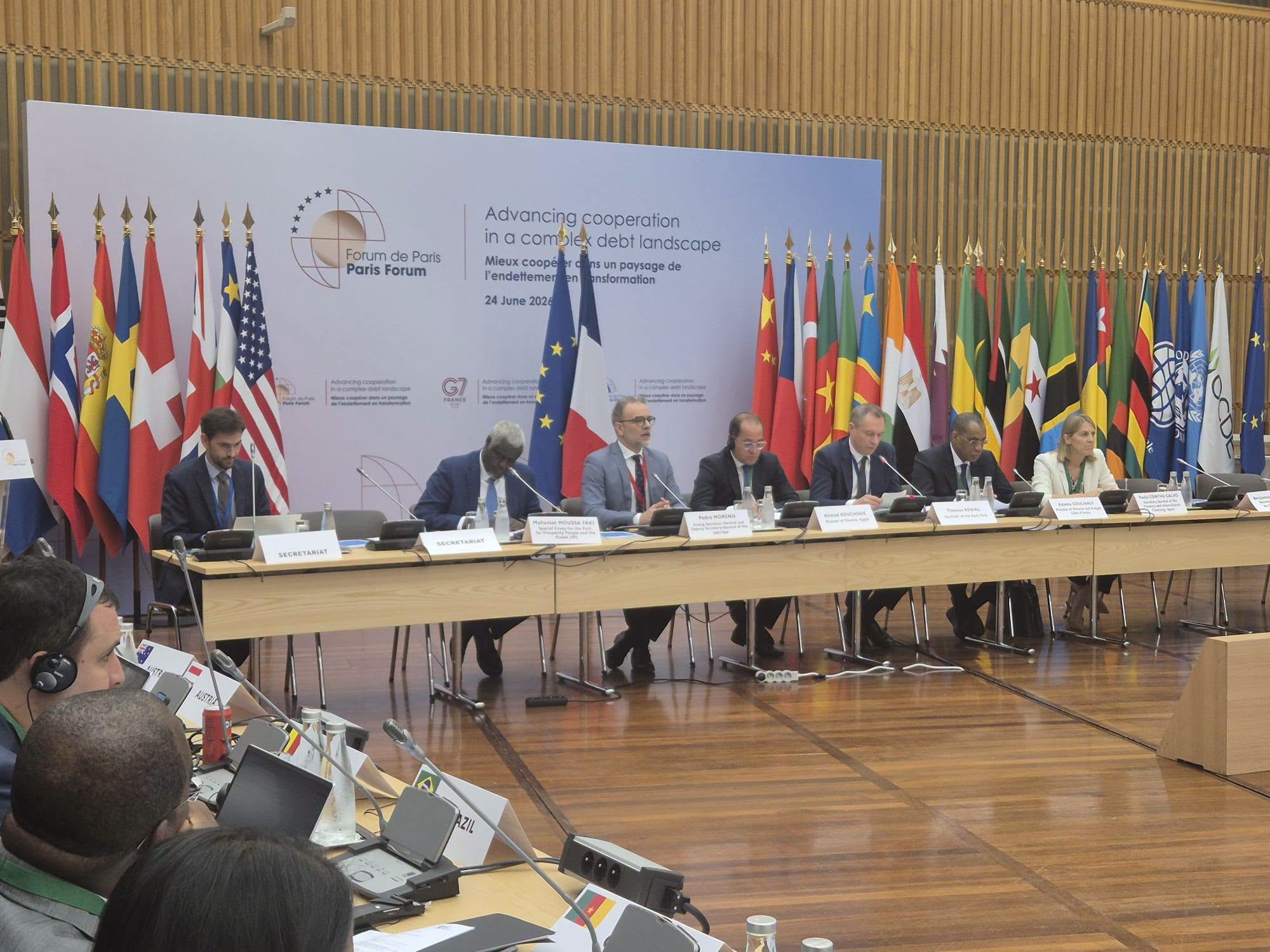
Egypt’s Finance Minister Ahmed Kouchouk is calling for a fundamental restructuring of the global financial architecture to provide emerging markets with more equitable access to investment and economic growth. Speaking at the Paris Forum, Kouchouk advocated for the adoption of innovative financing tools, such as debt-for-investment swaps, to create the fiscal space necessary for social protection and human development programs.
The Egyptian finance minister’s remarks come as developing economies face increasing pressure from high interest rates and volatile capital flows. Kouchouk argued that a unified international effort is required to build a financial system that supports, rather than hinders, the economic stability of emerging nations.
How can innovative financing mechanisms support developing economies?
During his address at the Paris Forum, Kouchouk emphasized that expanding the toolkit of modern financial instruments is essential for creating “fiscal space.” This term refers to the flexibility a government has in its budget to provide resources for public purposes without jeopardizing its debt sustainability.
One specific mechanism highlighted by the minister was the debt-for-investment swap. In these arrangements, a portion of a country’s foreign debt is forgiven or restructured by creditors in exchange for the debtor government’s commitment to invest the saved funds into specific domestic projects, such as green energy, healthcare, or education. Kouchouk noted that these tools, along with debt exchanges, could allow Egypt to redirect funds toward critical social protection programs and human development initiatives.
By utilizing these modern financial tools, Kouchouk stated that Egypt aims to balance its immediate need for economic stimulation with the long-term necessity of maintaining fiscal discipline. The goal is to ensure that debt reduction does not come at the expense of the country’s most vulnerable citizens.
What has been Egypt’s recent progress in debt reduction?
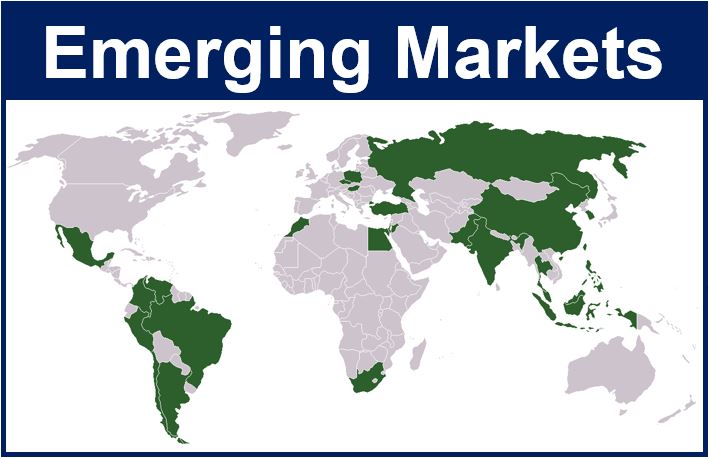
Kouchouk provided specific data to illustrate Egypt’s recent fiscal trajectory, contrasting the country’s performance with broader emerging market trends. According to the minister, Egypt’s budget debt has decreased by 13% over the past two years. This stands in contrast to a 6% increase in budget debt observed across many emerging markets during the same period.
The minister also reported significant progress regarding external obligations. He stated that the external debt held by Egypt’s budget agencies has been reduced by approximately $4 billion over the last two years, with an additional $1.5 billion reduction recorded in the current year. These figures, if verified by official Ministry of Finance reports, suggest an aggressive move toward stabilizing the nation’s balance sheet.
To provide a clearer view of these developments, the following table compares Egypt’s recent debt trends against the average for emerging markets, based on the figures presented by Kouchouk:
| Metric | Egypt (Last 2 Years) | Emerging Market Average |
|---|---|---|
| Budget Debt Trend | 13% Decrease | 6% Increase |
| External Agency Debt | ~$5.5 billion reduction | Not specified |
What are Egypt’s long-term targets for debt-to-GDP ratios?
The Egyptian government has outlined a structured timeline for improving its budget debt indicators and mitigating financial risks. Kouchouk detailed a two-stage plan to bring the debt-to-GDP ratio of the country’s budget agencies under control.
- By June 2027: The government aims to reduce the debt-to-GDP ratio to 78%.
- Medium-term target: The government intends to further lower the ratio to 70%.
Kouchouk explained that this reduction will be achieved through an “integrated and balanced strategy” that focuses on stimulating economic activity while maintaining strict fiscal discipline. This approach is intended to create a sustainable debt reduction path that protects the economic interests of future generations.
How is the private sector responding to Egypt’s economic reforms?
A central pillar of Egypt’s strategy involves shifting the economic burden away from the state and toward private enterprise. Kouchouk reported that the private sector is responding positively to recent economic reforms and policy shifts implemented by the government.

The minister stated that private sector investments in Egypt increased by 73% last year. He further noted that this growth trend is expected to continue strongly through the current year. To support this momentum, the government has committed to directing any “exceptional revenues”—such as windfall gains from specific sectors—immediately toward reducing the overall national debt volume and improving government debt metrics.
This strategy is designed to create a feedback loop: economic reforms attract private investment, which stimulates growth, which in turn provides the government with more stability and less reliance on external borrowing.
Key Takeaways from the Paris Forum Address
- Reform Demand: Egypt is advocating for a global financial architecture that offers fairer financing terms for emerging markets.
- Innovative Tools: Mechanisms like debt-for-investment swaps are being proposed to free up funds for social and human development.
- Debt Divergence: Egypt reported a 13% drop in budget debt, diverging from the 6% increase seen in many emerging markets.
- Investment Growth: Private sector investment in Egypt rose by 73% last year, signaling confidence in recent economic reforms.
- Fiscal Targets: Egypt aims to reach a 78% debt-to-GDP ratio by June 2027.
The next major checkpoint for Egypt’s fiscal strategy will be the upcoming periodic reviews of its economic program with international lenders, which will assess progress against these debt-to-GDP and investment targets.
What do you think about the push for debt-for-investment swaps? Should more developing nations adopt this model? Let us know in the comments below and share this article with your network.