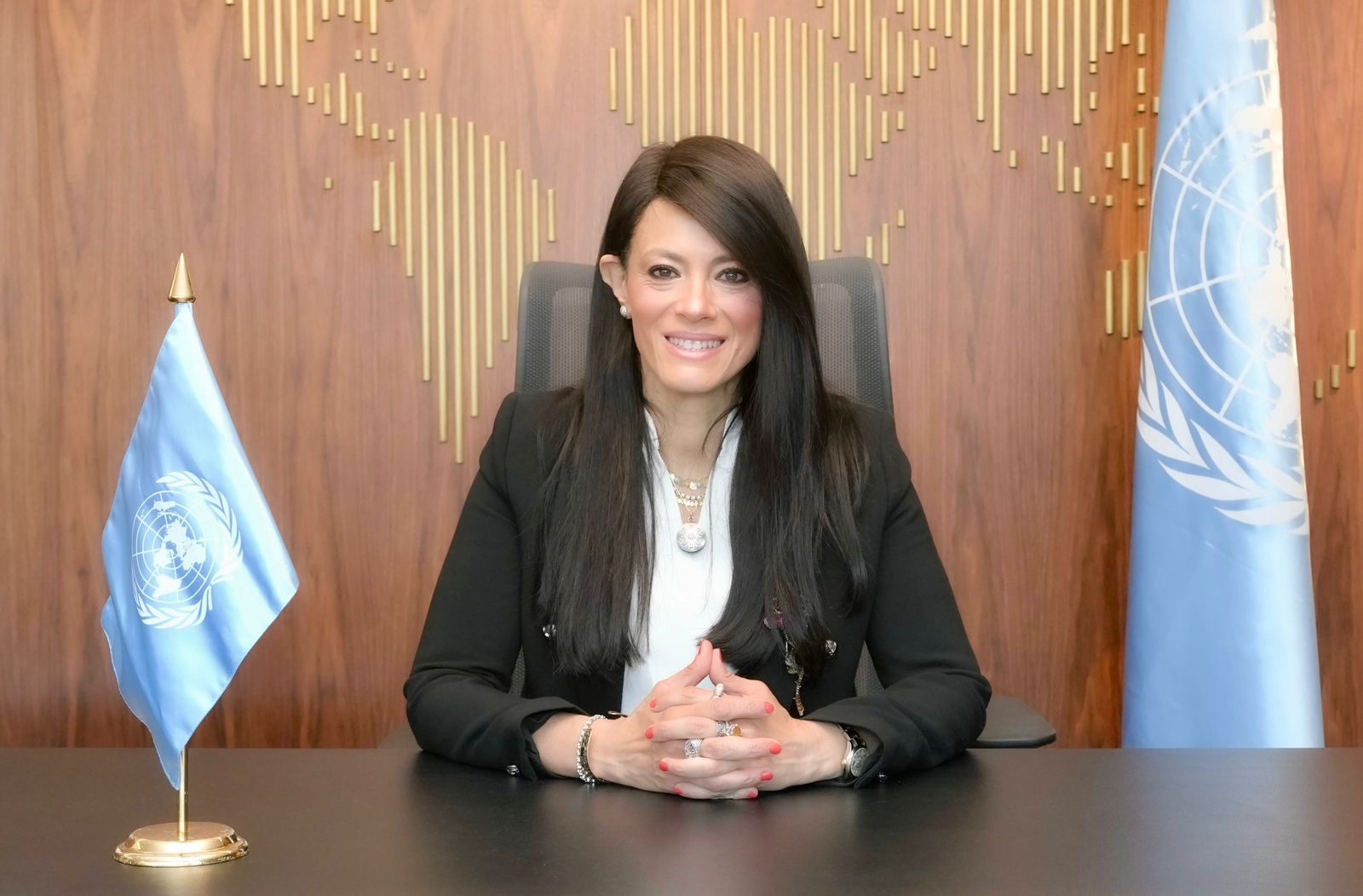
Egypt’s Rania Al-Mashat Assumes UN ESCWA Leadership, Outlines Vision for Regional Think Tank Coalition
In a significant leadership transition for the United Nations in the Middle East, Egypt’s Rania Al-Mashat officially assumed her duties as the United Nations Under-Secretary-General and Executive Secretary of the Economic and Social Commission for Western Asia (ESCWA) this Tuesday. Arriving at the commission’s headquarters in Beirut, Al-Mashat’s appointment marks a pivotal moment for regional economic coordination as she prepares to launch a strategic initiative aimed at strengthening evidence-based policymaking across the Arab world.
The transition, which follows her formal appointment by UN Secretary-General António Guterres on 20 April, comes at a time of heightened economic complexity. Al-Mashat is stepping into the role at a moment when the Middle East is navigating significant pressures on global trade, energy markets, and international supply chains. Her arrival in Beirut was marked by an official ceremony attended by senior ESCWA officials and staff, signaling the beginning of a tenure focused on regional integration and sustainable development.
Central to Al-Mashat’s immediate agenda is the proposed creation of a coalition of regional think tanks and research institutions. This coalition is intended to serve as a knowledge bridge, providing Member States with the rigorous, data-driven insights necessary to navigate contemporary economic and social challenges. By fostering these intellectual partnerships, the new leadership aims to ensure that regional policies are not merely reactive to crises but are built on a foundation of long-term, empirical research.
A Strategic Vision for Evidence-Based Policy
In her inaugural remarks, Al-Mashat emphasized the necessity of linking national progress to broader regional stability. She noted that the increasing interlinkages between global and regional economies require a more cohesive approach to development. The proposed think tank coalition is designed to address this by facilitating knowledge exchange and building strategic partnerships with both regional and international organizations.

“I am honoured by the confidence placed in me by the United Nations Secretary-General to assume this role at a time of increasing regional and global economic interlinkages,” Al-Mashat stated. “The UN ESCWA will work to support Member States in advancing national policies and strategies that promote inclusive and sustainable development, while linking these efforts to broader regional benefits. We will continue to foster regional integration, facilitate knowledge exchange, and build strategic partnerships with regional and international organisations. We aim to launch a coalition of regional think tanks and research institutions to support evidence-based policymaking in the service of our Member States.”
This vision for ESCWA aligns with the broader objectives of the commission, which is one of the five regional commissions of the United Nations. The organization is tasked with supporting Arab countries in their pursuit of digital transformation, economic integration, and sustainable development pathways. Under Al-Mashat’s guidance, the commission is expected to place a renewed emphasis on how these individual national efforts can collectively enhance the resilience of the entire Western Asia region.
Navigating the UN80 Era of Institutional Reform
Al-Mashat’s leadership begins during a period of profound structural evolution within the United Nations. Her tenure coincides with the implementation of the UN80 Initiative, a program launched by Secretary-General António Guterres in March 2025. The initiative is designed to modernize the UN’s architecture, ensuring that its priorities and operations remain relevant for the challenges of the 21st century.
The UN80 framework is built upon multiple workstreams aimed at enhancing the effectiveness of the entire UN system. These include:
- Streamlining Processes: Reducing bureaucratic friction to improve organizational agility.
- Strengthening Service Delivery: Ensuring that UN programs deliver more direct and measurable impact to the populations they serve.
- Maximizing Development Impact: Aligning regional efforts with global sustainability goals to ensure long-term success.
By integrating ESCWA’s regional mandate with the broader goals of the UN80 Initiative, Al-Mashat is positioned to lead the commission through a period of modernization that seeks to reaffirm the UN’s global relevance in an increasingly multipolar world.
A Career Defined by Economic Diplomacy
Rania Al-Mashat brings more than 25 years of specialized experience in macroeconomic policy, monetary frameworks, and climate finance to her new role. Her professional background is characterized by a unique ability to bridge the gap between high-level policymaking and practical, sustainable implementation.
Prior to her appointment at the United Nations, Al-Mashat held several high-profile positions within the Egyptian government. Over an eight-year period, she served across three critical ministerial portfolios, demonstrating a versatile command of economic governance. Notably, she served as Egypt’s Minister of Tourism—becoming the first woman to hold that position—before moving on to lead the Ministry of International Cooperation and the Ministry of Planning, Economic Development, and International Cooperation.
Her international experience is equally extensive. Al-Mashat served as an advisor to the chief economist and as a senior economist at the International Monetary Fund (IMF) in Washington, D.C., during two key periods (2001–2005 and 2016–2018). Her tenure as Sub-Governor for Monetary Policy at the Central Bank of Egypt (2005–2016) allowed her to play a central role in modernizing the nation’s monetary policy strategies.
This combination of domestic ministerial leadership and multilateral expertise positions her to navigate the complex economic interdependencies that define the Western Asia region today. Her academic contributions and research in economics further underscore a commitment to the “evidence-based” approach she has pledged to champion at ESCWA.
The Economic Imperative for Regional Integration
The timing of Al-Mashat’s assumption of duties is critical. The Middle East and Western Asia are currently facing a series of overlapping economic pressures. Fluctuations in energy markets and shifts in global trade patterns have placed significant strain on regional supply chains, making economic stability a matter of urgent priority for Member States.
ESCWA’s role in addressing these challenges involves promoting economic and digital transformation. By fostering regional integration, the commission seeks to help Arab countries mitigate the risks of global volatility through shared benefits and collective economic strength. Al-Mashat’s focus on “inclusive and sustainable development” suggests that her administration will prioritize growth that is both environmentally conscious and socially equitable.
Key Takeaways: The Al-Mashat Mandate
- New Leadership: Rania Al-Mashat has officially assumed her role as UN ESCWA Executive Secretary in Beirut.
- Think Tank Coalition: A primary goal is to launch a regional network of research institutions to bolster evidence-based policymaking.
- Institutional Alignment: Her term will be shaped by the UN80 Initiative, focusing on modernizing UN structures and service delivery.
- Economic Focus: The leadership will prioritize regional integration, climate finance, and navigating global trade and energy market pressures.
Frequently Asked Questions
What is the main goal of the proposed think tank coalition?
The coalition aims to bring together regional research institutions to provide Member States with the data and empirical evidence needed to create more effective national and regional policies.

How does the UN80 Initiative affect ESCWA?
The UN80 Initiative is a broader UN-wide effort to modernize operations and maximize development impact. Al-Mashat’s leadership at ESCWA will align the commission’s regional work with these global structural reforms.
What is ESCWA’s primary mission?
ESCWA is one of the UN’s five regional commissions. Its mission is to support Arab countries in advancing inclusive development, strengthening regional integration, and managing economic and digital transformations.
The next scheduled developments regarding the formation of the regional think tank coalition are expected to be shared through official UN ESCWA communications as the commission begins its consultative phase with regional academic and research institutions.
What are your thoughts on the impact a regional think tank coalition could have on Middle Eastern economic policy? Share your insights in the comments below and share this story with your network.
Worth a look