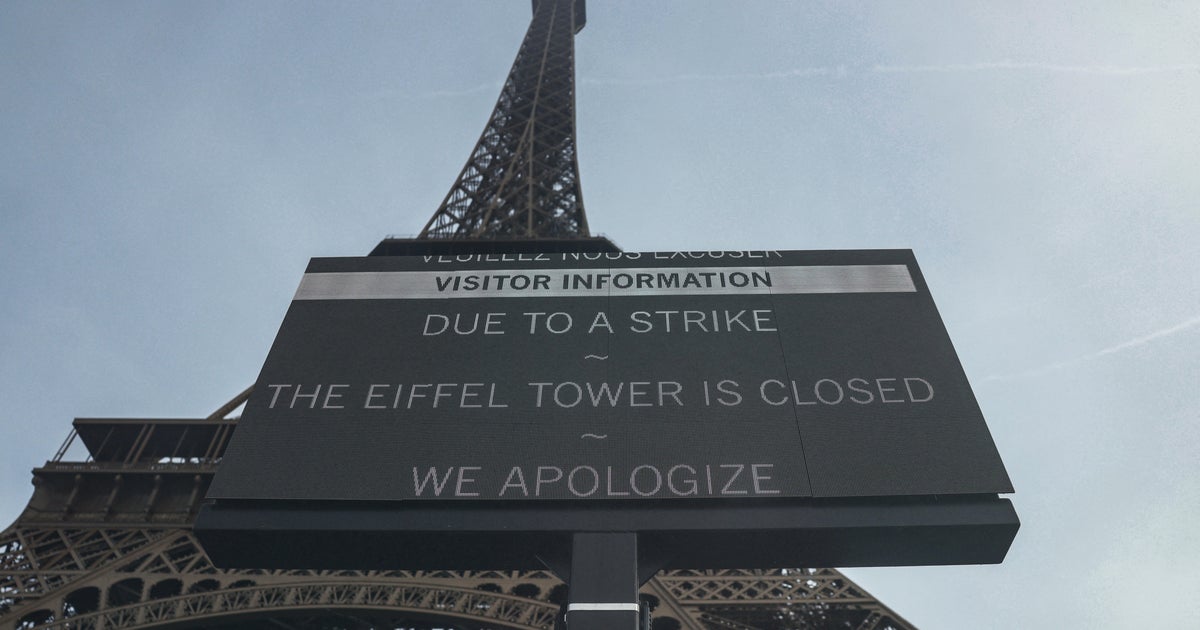
France Faces Renewed social Unrest as Strikes Ground Eiffel Tower, Spark Nationwide Protests
A nationwide strike in France on October 2, 2025, brought widespread disruption, even forcing the iconic Eiffel Tower to close its doors. This action underscores growing discontent wiht the government’s proposed economic policies and signals a deepening social crisis.
Unions representing France’s largest workforce are vehemently opposing draft budget measures inherited from the previous governance. These proposals include freezes on social welfare programs and austerity measures that many fear will disproportionately impact low and middle-income earners, eroding their purchasing power.
Rising Anger, Uncertain Future
The timing of this latest wave of protests is particularly noteworthy.sophie Binet,leader of the CGT union,highlighted the unusual circumstance of striking before a government has even fully formed or presented a budget. This demonstrates a proactive attempt to influence policy decisions before they are finalized, reflecting a high level of social anger.
You might be wondering why the urgency now. Binet explained that unions believe critical decisions are being made currently, and they are determined to make their voices heard.
Scale of the Disruption
Reports indicate significant participation in the strikes and protests across the contry. While union estimates place the number of participants at nearly 600,000, police in Paris reported approximately 24,000 demonstrators in the capital city alone.
Here’s a breakdown of the impact:
* Transportation: High-speed rail services largely continued as scheduled, but regional lines experienced partial disruptions.
* Paris Metro: Metro traffic operated near normal levels, though many commuter trains ran with reduced capacity.
* Public Sector: Teachers and healthcare workers joined the strike, adding to the widespread disruption.
A Pattern of Protest
This October strike isn’t an isolated event. it follows a series of demonstrations throughout September,revealing a sustained period of unrest.
* September 18: Over 500,000 people marched in cities and towns across France, according to official police figures. Unions claimed participation exceeded 1 million.
* Prior Week: A previous day of action, dubbed “Block Everything,” saw clashes between protesters and police, with streets filled with smoke, barricades, and tear gas.
what’s at Stake?
The core of the dispute centers on economic fairness and social justice. Unions are calling for increased taxes on the wealthy to fund social programs and protect the living standards of working families.
Prime Minister Sébastien Lecornu, appointed last month, has yet to reveal his budget plans or appoint his government ministers. The deeply divided parliament is expected to debate the budget bill before the end of the year.
The coming weeks will be crucial as Lecornu navigates these challenges and attempts to address the growing social unrest. The outcome will likely shape the future of France’s economic and social landscape.