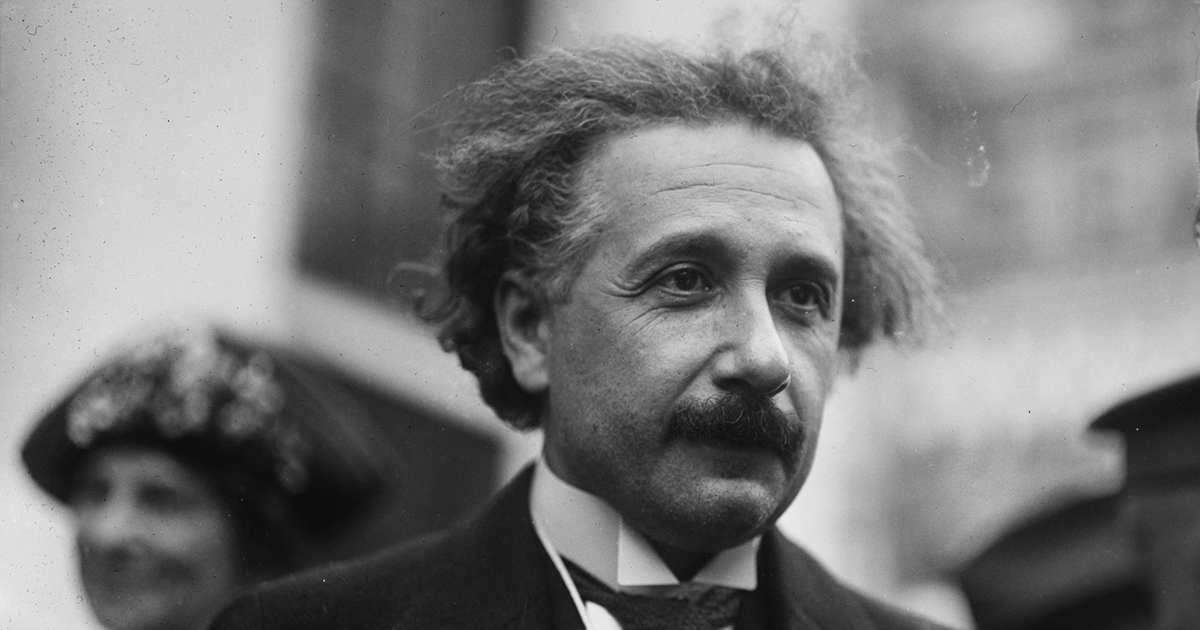
The enduring educational philosophy attributed to Albert Einstein—that education is what remains after one has forgotten what one has learned in school—continues to challenge modern pedagogical standards. This perspective, which prioritizes critical thinking and conceptual understanding over rote memorization, aligns with contemporary research in cognitive science that highlights the limitations of traditional, fact-heavy curricula. While the exact provenance of the quote remains a subject of debate among historians, the sentiment reflects Einstein’s documented skepticism toward the rigid, authoritarian school systems of the early 20th century, as noted by the Einstein Papers Project at the California Institute of Technology.
For modern educators and policymakers, the distinction between “information retention” and “intellectual development” is not merely academic. As global economies shift toward automation and artificial intelligence, the ability to synthesize complex ideas has become a critical economic asset. According to the OECD Learning Compass 2030, the focus of international education policy has increasingly moved toward “transformative competencies,” which emphasize the application of knowledge in novel situations rather than the mechanical recall of data points.
The Cognitive Science of Long-Term Learning
Psychologists have long distinguished between short-term memory—often used for cramming for examinations—and long-term conceptual schemas. Research published by the American Psychological Association indicates that students who engage in “active learning” techniques, such as problem-solving and self-explanation, demonstrate significantly higher retention rates than those who rely solely on passive reading or memorization. This confirms the core of Einstein’s critique: if the primary goal of schooling is the temporary storage of facts, the educational process fails once those facts are discarded.

The shift toward inquiry-based learning models is supported by evidence that deep understanding is built on the foundation of “transferable skills.” When learners are encouraged to ask “why” rather than “what,” they build neural pathways that facilitate the application of principles across different disciplines. This approach is currently being integrated into national curricula across several jurisdictions, moving away from high-stakes standardized testing toward portfolios and project-based assessments, as reported in the Brookings Institution’s report on educational reform.
Einstein’s Critique of Authoritarian Pedagogy
Albert Einstein’s personal experience with the Luitpold Gymnasium in Munich shaped his lifelong distrust of educational environments that demanded absolute obedience. In his “Autobiographical Notes,” Einstein recalled that the spirit of learning and creative thought was lost in such environments, where teachers acted as “military officers.” This historical context is essential for understanding why he advocated for an approach that fostered individual curiosity.

The professional consensus among historians of science is that Einstein viewed education as a tool for liberation rather than standardization. By valuing the “remnant” of education—the habits of mind and the intuition developed through solving problems—he argued that schools could produce citizens capable of independent thought. This aligns with his broader commitment to democratic values, a stance he frequently articulated in his correspondence with contemporary thinkers, which is archived and publicly accessible through the Albert Einstein Archives at the Hebrew University of Jerusalem.
Economic Implications for the Modern Workforce
The economic value of this pedagogical shift is reflected in the current demand for “soft skills” in the global labor market. Organizations such as the World Economic Forum have consistently identified analytical thinking, innovation, and complex problem-solving as the most sought-after competencies for the next decade. These are precisely the outcomes of an educational model that prioritizes the “remnant” of learning over the memorization of transient data.
Investing in critical thinking creates a more resilient workforce. When employees understand the fundamental principles behind their tasks, they are better equipped to adapt when technologies or market conditions change. This transition is not without cost; it requires significant retraining of educators and a reconfiguration of institutional metrics. However, the long-term economic return on human capital investment, measured by innovation indices and workplace productivity, remains a primary driver for educational policy updates in the United Kingdom, the European Union, and North America.
Defining the Future of Education
The debate over curriculum design is likely to continue as institutions grapple with the integration of generative AI into the classroom. If machines can recall and synthesize vast amounts of information instantaneously, the human advantage shifts definitively toward the synthesis of ideas, ethics, and original inquiry. The “remnant” of education—the wisdom that remains after the facts are forgotten—is now the primary differentiator in the professional sphere.
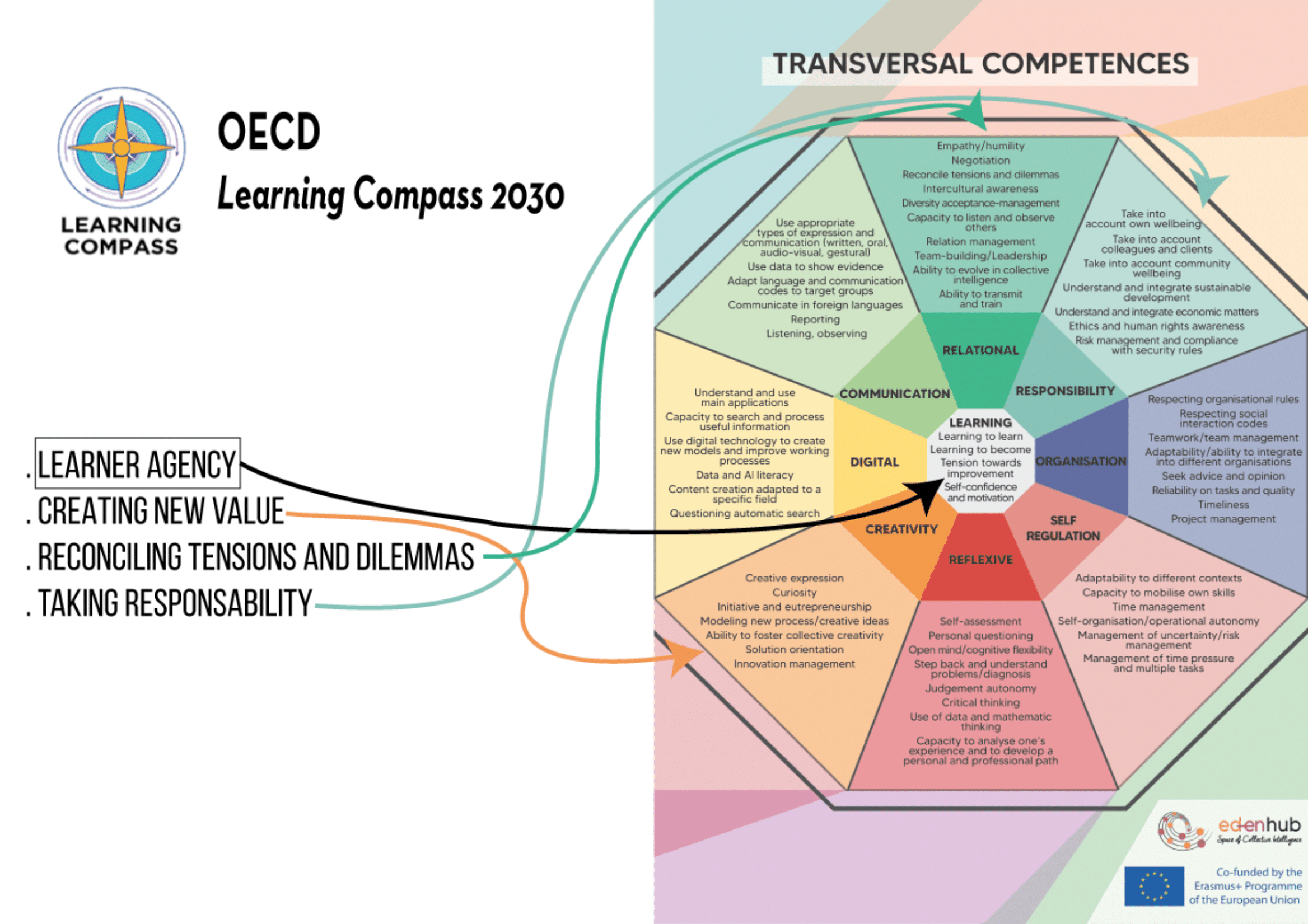
For parents, students, and institutional leaders, the challenge lies in shifting the metric of success. Moving away from the “grade-first” mentality requires transparency in assessment and a commitment to long-term cognitive development over short-term performance. Future updates on international educational benchmarks are expected from the OECD’s Programme for International Student Assessment (PISA), which continues to refine how it measures these complex competencies in its triennial cycles.
We welcome your perspective on how educational systems should evolve to meet these modern demands. Please share your thoughts in the comments section below or join our upcoming webinar on the future of global economic policy. For further reading on institutional reforms, you may consult the latest policy briefs provided by the UNESCO Future of Learning initiative.
Worth a look