
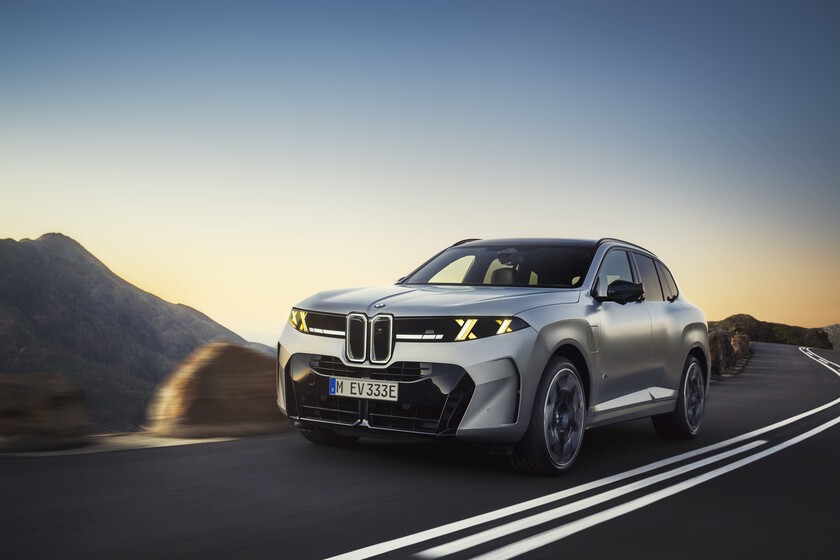
BMW has initiated a significant technical shift for its flagship SUV, with the upcoming 2027 BMW X5 expected to integrate a multi-powertrain strategy that includes a hydrogen fuel cell variant alongside traditional electrification. This development aligns with the manufacturer’s broader “Neue Klasse” platform rollout, which aims to diversify energy sources for high-performance vehicles, according to recent corporate updates from BMW Group regarding their long-term powertrain roadmap.
The transition marks the fifth generation of the X5 model line, a vehicle that has served as a cornerstone of the brand’s luxury SUV segment since its debut in 1999. By incorporating hydrogen technology, BMW is distancing itself from a singular reliance on battery electric vehicles (BEVs), instead pursuing a “technology-open” approach that includes combustion, plug-in hybrid, battery-electric, and hydrogen-powered architectures. This strategy is outlined in detail within the official BMW Group hydrogen mobility documentation, which confirms the company’s intent to scale fuel cell technology for series production as early as 2028.
Powertrain Diversity and Hydrogen Integration
The 2027 X5 is anticipated to be one of the first production vehicles to showcase the versatility of BMW’s flexible vehicle platforms. Industry analysts note that while the automotive sector has moved aggressively toward battery-only fleets, BMW’s decision to maintain internal combustion and hydrogen fuel cell options reflects a desire to accommodate varied global infrastructure maturity. According to reporting from Reuters, BMW has already begun small-scale series production of hydrogen-powered vehicles, signaling that the technical foundation for the X5’s hydrogen variant is already undergoing rigorous real-world testing.
The shift to a five-motor configuration, as suggested in early development reports, points toward a sophisticated all-wheel-drive system capable of torque vectoring far beyond current mechanical limits. By utilizing individual motors—potentially one per wheel plus a primary power source—the vehicle would achieve a level of handling precision consistent with the “Ultimate Driving Machine” brand identity. However, these technical specifications remain subject to final engineering validation as the 2027 launch window approaches.
The Strategic Shift to Neue Klasse
The “Neue Klasse” platform represents a fundamental architecture overhaul for the Munich-based automaker. Unlike previous modular platforms, this design is intended to be “electric-first” but natively capable of hosting hydrogen fuel cells. The significance of this pivot lies in weight distribution and space efficiency; hydrogen tanks and fuel cell stacks require different packaging compared to high-density lithium-ion battery packs. According to the official BMW Neue Klasse portal, this architecture will prioritize sustainability in production, utilizing secondary materials and circular economy principles to reduce the carbon footprint of each vehicle.

For consumers, this means the 2027 X5 will likely offer a more spacious interior and a lower center of gravity, regardless of the powertrain chosen. The integration of hydrogen is specifically aimed at markets where rapid charging infrastructure remains limited or where heavy-duty, long-range transport requires the energy density that only hydrogen currently provides.
Market Implications and Timeline
The automotive market is currently observing a divergence in strategies among major manufacturers. While rivals have focused primarily on battery-electric transitions, BMW’s multi-pronged approach serves as a hedge against energy volatility. Data from the International Energy Agency’s Global EV Outlook highlights that while battery electric vehicles dominate current sales, hydrogen infrastructure investments are beginning to gain traction in industrial and heavy-transport sectors, which may eventually bridge the gap to passenger SUVs like the X5.
The next major milestone for the project is the release of official performance metrics and range estimates, expected to coincide with the vehicle’s public reveal in late 2026. Prospective buyers and industry observers are advised to monitor the official BMW newsroom for verified announcements regarding regional availability and pricing. As the company moves closer to the 2027 production cycle, further details regarding the specific hydrogen refueling networks supported by BMW will be critical for potential owners.
We invite readers to share their perspectives on the future of hydrogen in the luxury SUV market in the comments section below. Stay tuned for further updates as BMW confirms final specifications for the next generation of its flagship SUV.