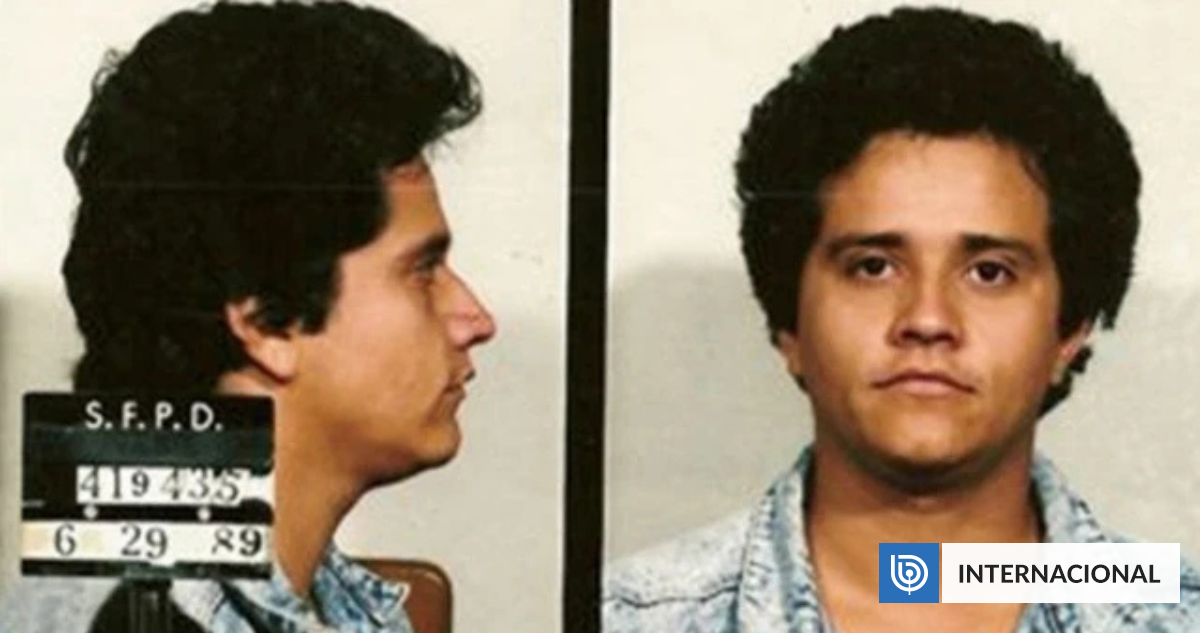
The death of Nemesio Oseguera Cervantes, known as “El Mencho,” leader of the Cartel Jalisco Nueva Generación (CJNG), in a military operation has thrown the future of Mexico’s most powerful criminal organization into uncertainty. Experts are now assessing whether the CJNG will pursue a peaceful reorganization or descend into violent infighting as factions vie for control, a scenario that could further destabilize an already fraught security situation in the country.
The operation that resulted in El Mencho’s death occurred on February 22, 2026, according to reports. While the Mexican government has not released extensive details about the operation, its success marks a significant blow against the CJNG, which under Oseguera Cervantes’ leadership, has become one of the most dominant and ruthless drug cartels in the world. The CJNG’s influence extends across a significant portion of Mexican territory, and the organization is heavily involved in the production and trafficking of fentanyl, a synthetic opioid driving a deadly epidemic in the United States. The potential for disruption within the cartel raises concerns about a possible power vacuum and the ensuing consequences for regional and international security.
Andrés Sumano, a security researcher at the Colegio de la Frontera Norte, outlines two primary scenarios following El Mencho’s death: a negotiated succession or an open confrontation between rival factions. A peaceful transition, while considered more likely by Sumano due to the absence of internal betrayal, is not guaranteed. David Saucedo, a security consultant, echoes this sentiment, suggesting the CJNG might initially order a permanent retreat, but warns this could be a deceptive tactic—a preparation for an internal war between competing groups and against rival cartels. The potential for increased violence is a major concern for Mexican authorities and neighboring countries.
The Potential for Internal Conflict and a Widening Security Crisis
Saucedo’s assessment highlights the possibility of a fracturing within the CJNG, leading to a breakdown of its organizational structure and a surge in internal conflict. This scenario, he warns, could exacerbate Mexico’s existing security crisis. However, he believes the scale of any resulting violence is unlikely to reach the levels seen after the fragmentation of the Sinaloa Cartel, a conflict that has resulted in over 2,400 deaths. Al Jazeera reported on the unfolding situation and potential ramifications.
Despite the potential for internal strife, Saucedo dismisses the likelihood of widespread blockades or disruptions similar to those seen after previous military operations. He attributes this to the CJNG’s strategic priorities, arguing that a direct confrontation with the state is not in their immediate interest. Instead, the cartel is more likely to focus on consolidating its power and preparing for potential conflicts with rival organizations. This assessment suggests a shift towards a more calculated and strategic approach, even amidst the uncertainty surrounding El Mencho’s death.
A Four-Man Leadership and the Rise of ‘El Jardinero’
According to Saucedo, the CJNG currently operates under a four-member “collegiate leadership” responsible for day-to-day decision-making. This structure suggests a degree of pre-planning for a potential leadership vacuum, indicating the cartel anticipated the possibility of El Mencho’s capture or death. Mexican Secretary of Security and Citizen Protection, Omar García Harfuch, confirmed last week that authorities have identified these four leaders and are actively investigating them, though he did not provide further details. The New York Times provides further coverage of the ongoing investigation.
Among the potential successors, Andrés Sumano highlights Audias Flores Silva, alias “El Jardinero” (The Gardener), as a leading contender. Described as El Mencho’s “right-hand man,” Flores Silva’s close relationship with the former leader and his presumed knowledge of the cartel’s operations position him as a strong candidate to assume control. However, the transition will likely be complex, and the ultimate outcome remains uncertain. The presence of a collegiate leadership suggests a deliberate attempt to avoid a single point of failure, but it also raises the possibility of internal power struggles.
Despite the significant blow dealt by El Mencho’s death, experts agree that the CJNG remains a formidable force. The cartel’s vast network and extensive reach throughout Mexico—with a presence in approximately two-thirds of the country—make it a resilient organization. Under El Mencho’s command, the CJNG evolved into one of the world’s largest and most powerful drug trafficking organizations, boasting an estimated 50,000 armed members. Its continued dominance is a testament to its organizational strength and its ability to adapt to changing circumstances.
Fentanyl Exports and the Future of the Cartel
A particularly concerning aspect of the situation is the potential impact on the flow of fentanyl into the United States. Saucedo predicts that El Mencho’s death will not reduce fentanyl shipments, but rather lead to an increase in export volumes as the cartel prepares for the anticipated internal conflict. This suggests a proactive strategy to secure financial resources and strengthen its position ahead of potential challenges. The CJNG’s involvement in fentanyl production and trafficking has been a major source of concern for US authorities, and any increase in exports would exacerbate the ongoing opioid crisis.
The CJNG’s influence extends far beyond drug trafficking, encompassing a range of criminal activities, including extortion, kidnapping, and human trafficking. Its presence in key regions of Mexico allows it to exert significant control over local economies and communities. The cartel’s ability to operate with relative impunity has been a major challenge for the Mexican government, and El Mencho’s death, while a significant victory, does not necessarily signal the finish of the CJNG’s reign. The organization’s deep roots and extensive network will likely ensure its continued operation, albeit potentially in a modified form.
Los 5 ’capos’ del narco que asoman como sucesores del ’Mencho’ en el cartel Jalisco Nueva Generaciónhttps://t.co/svn8L1HSW3
— BioBioChile (@biobio) February 23, 2026
The coming months will be critical in determining the CJNG’s future trajectory. The organization faces a complex set of challenges, including internal power struggles, increased pressure from law enforcement, and the potential for conflict with rival cartels. The Mexican government’s response to these challenges will be crucial in shaping the outcome. Continued efforts to dismantle the cartel’s infrastructure, disrupt its financial networks, and address the underlying socio-economic factors that contribute to its growth will be essential in mitigating the risks posed by this powerful criminal organization. BBC News offers background on the life and criminal career of Nemesio Oseguera Cervantes.
As Mexican authorities continue to investigate the aftermath of El Mencho’s death and monitor the CJNG’s movements, the international community remains vigilant. The potential for increased fentanyl exports and the risk of escalating violence in Mexico have far-reaching implications, requiring a coordinated and comprehensive response. The situation remains fluid, and further developments are expected in the coming weeks and months.
The next key development will likely be the announcement of any arrests related to the leadership succession within the CJNG, as investigations continue. Readers are encouraged to share their thoughts and perspectives on this evolving situation in the comments below.
Keep reading