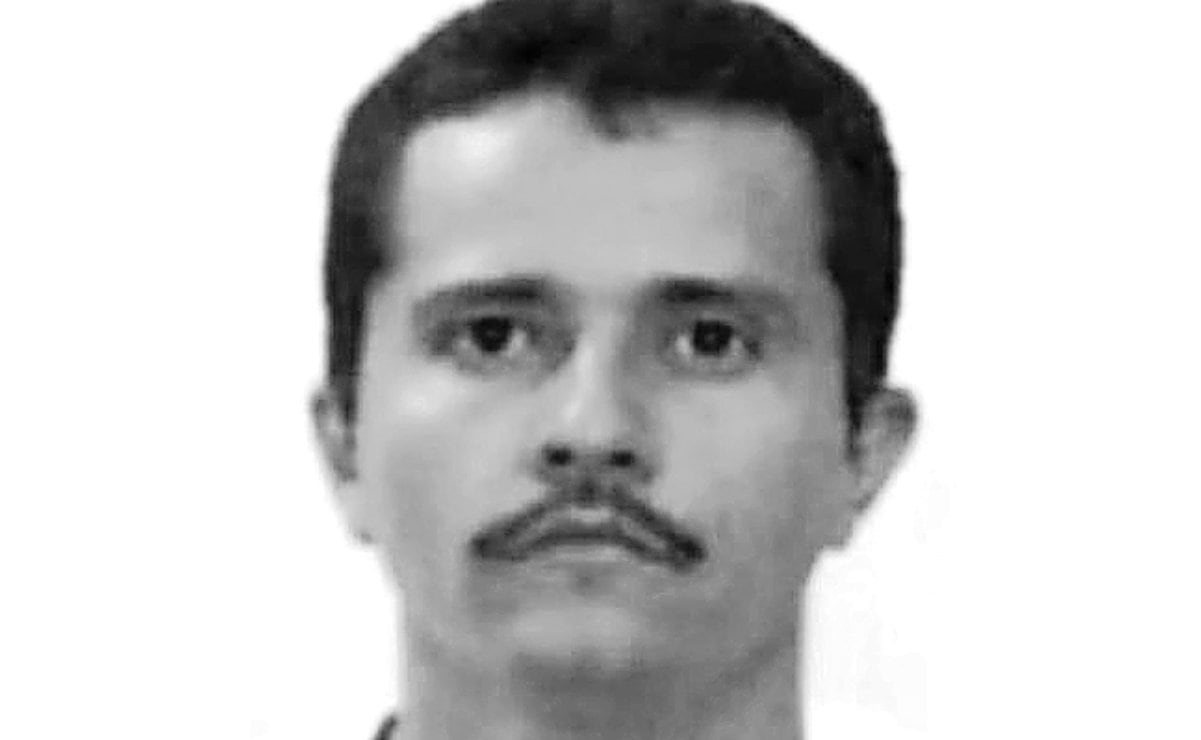
Succession Planning at the CJNG: Identifying Potential Heirs to “El Mencho”
Following the reported death of Nemesio Oseguera Cervantes, known as “El Mencho,” leader of the Cártel Jalisco Nueva Generación (CJNG), Mexican authorities are focusing on identifying potential successors who could maintain the organization’s operational capacity. The announcement came during a press conference led by President Claudia Sheinbaum Pardo in Sinaloa on Friday, February 27, 2026, where Security Secretary Omar García Harfuch revealed that four individuals are currently under investigation as possible replacements. This comes as authorities continue to assess the impact of “El Mencho’s” removal on the broader landscape of organized crime in Mexico, and specifically, the potential for increased violence as rival factions attempt to exploit any power vacuum.
García Harfuch stated that while the CJNG maintains a regional leadership structure across multiple states, two individuals are considered the most likely candidates to assume control. He refrained from disclosing the identities of these individuals, citing ongoing investigations. The focus on identifying potential successors underscores the Mexican government’s concern about the CJNG’s continued influence and its ability to adapt even after the loss of its top leader. The CJNG has develop into one of the most powerful and violent criminal organizations in Mexico, known for its brazen attacks on security forces and its expanding territorial control.
CJNG’s Regional Presence and Leadership Structure
The CJNG’s strength lies in its decentralized structure, with regional leaders operating with a degree of autonomy while remaining loyal to the central command. This structure, according to García Harfuch, allows the cartel to maintain a presence in various states throughout Mexico, making it more resilient to targeted operations against its leadership. The organization’s ability to quickly adapt and replace key figures is a significant challenge for law enforcement agencies. The investigation into the four potential successors aims to disrupt this process and prevent the CJNG from consolidating its power under novel leadership.
Beyond the immediate succession question, authorities are also investigating potential links between CJNG members and local police forces. Documents discovered at a hideout used by “El Mencho” in Tapalpa, Jalisco, reportedly detailed payments made to police officers, as well as other individuals involved in the cartel’s operations, including hitmen, lookouts, and extortionists. This revelation raises serious concerns about corruption within law enforcement and the extent to which criminal organizations have infiltrated state institutions. García Harfuch confirmed that investigations are underway regarding municipal police officers suspected of colluding with the CJNG.
Broader Implications for Security in Mexico
The death of “El Mencho” and the subsequent investigation into his potential successors occur against a backdrop of ongoing violence and instability in several regions of Mexico. The Sinaloa cartel, a long-time rival of the CJNG, remains a significant force, and the recent capture of Joaquín “El Mayo” Zambada has reportedly triggered a surge in violence within the state. President Sheinbaum has urged the United States to provide further information regarding the circumstances surrounding Zambada’s arrest, expressing concerns that the operation may have inadvertently destabilized the region. She stated that while the U.S. Has claimed to have sent all relevant information, Mexico is requesting further clarification.
The situation in Sinaloa highlights the complex dynamics of the drug trade and the challenges faced by Mexican authorities in combating organized crime. The capture or death of a major cartel leader often leads to a power struggle, as rival factions vie for control of territory and trafficking routes. This can result in increased violence, as seen in Sinaloa, and can also create opportunities for new criminal groups to emerge. The Mexican government is working to strengthen its security forces and improve intelligence gathering capabilities to address these challenges, but the task is daunting.
The ‘Narconómina’ and Financial Investigations
Adding another layer to the investigation, authorities are examining financial records seized alongside the lists of payments discovered at “El Mencho’s” hideout. These records, referred to as a ‘narconómina’ by officials, detail the CJNG’s extensive payroll and provide insights into the organization’s financial operations. The Attorney General’s Office (FGR) will be responsible for providing further information on this aspect of the investigation, according to García Harfuch. Understanding the CJNG’s financial network is crucial for disrupting its operations and dismantling its infrastructure.
The ‘narconómina’ potentially reveals the scale of corruption within various sectors of society, as it identifies individuals receiving payments from the cartel. This information could lead to further arrests and investigations, targeting not only those directly involved in criminal activities but also those who have facilitated them through bribery or other forms of complicity. The FGR’s investigation is expected to shed light on the extent of the CJNG’s financial reach and its ability to operate with impunity.
The Future of the CJNG and Mexican Drug Trafficking
The coming months will be critical in determining the future trajectory of the CJNG and its impact on the Mexican drug trade. The identification and apprehension of the potential successors to “El Mencho” will be a key priority for law enforcement agencies. However, even with the removal of key leaders, the CJNG is likely to remain a significant force, given its decentralized structure and its extensive network of contacts.
The ongoing investigations into corruption within law enforcement and the CJNG’s financial operations are also crucial for weakening the organization’s grip on power. Addressing these issues will require a comprehensive and sustained effort, involving not only law enforcement agencies but also the judiciary and other government institutions. The Mexican government’s commitment to tackling organized crime will be tested in the coming months, as it seeks to maintain stability and protect its citizens from the violence and corruption that plague many parts of the country.
Authorities are continuing to monitor the situation closely and are prepared to respond to any attempts by the CJNG to destabilize the region. The focus remains on disrupting the cartel’s operations, dismantling its infrastructure, and bringing its leaders to justice. The investigation into the ‘narconómina’ and the identification of potential successors are key steps in this process, but much work remains to be done.
The next official update regarding the investigation is expected from the FGR within the next two weeks, as they continue to analyze the financial records seized from “El Mencho’s” hideout. We encourage readers to share their thoughts and perspectives on this developing story in the comments below.