The line between artistic expression and a life lived on the fringes of society is often blurred and few figures embody this tension as powerfully as Huddie William Ledbetter, better known as Lead Belly. Born in the late 19th century in the racially segregated American South, Lead Belly’s life was a complex tapestry woven with hardship, violence, musical genius, and a rediscovery that cemented his place as a foundational figure in American folk and blues music. His story, recently echoed in discussions surrounding the work of Spanish criminal-turned-guitarist José Manuel Cifuentes, alias “El Panamá,” raises profound questions about the societal forces that shape lives lived outside the law and the enduring power of art to emerge from even the darkest corners of human experience.
Lead Belly’s early life was marked by poverty and systemic racism. Born sometime between 1885 and 1889 on a plantation near the Texas-Louisiana border, he grew up in a world where African Americans were relegated to the margins of society. He learned to play the guitar at a young age, and his musical talent quickly became a means of survival, performing in bars and juke joints across the South. However, his life was also punctuated by violence. According to the Rock & Roll Hall of Fame, Lead Belly spent much of his life entangled with the law, serving multiple prison sentences for offenses ranging from carrying a concealed weapon to assault and, most notably, murder. His conviction for the killing of a man in a dispute over a gambling debt led to a lengthy prison term that would ultimately prove pivotal in his career.
The Lomaxes and the Preservation of a Musical Legacy
It was during his incarceration that Lead Belly’s life took an unexpected turn. In 1934, folklorists John and Alan Lomax visited the Louisiana State Penitentiary in Angola, seeking to document the traditional music of the region. The Lomaxes, working under the auspices of the Library of Congress, were dedicated to preserving American folk music, particularly the songs of African Americans, which were often overlooked or dismissed by mainstream culture. As Britannica details, they were immediately captivated by Lead Belly’s powerful voice and virtuosic guitar playing. He performed for them within the prison walls, and the Lomaxes recognized the immense cultural significance of his repertoire.
The Lomaxes recorded hundreds of songs from Lead Belly, encompassing a vast range of genres including blues, folk songs, work songs, and gospel. These recordings, preserved in the Library of Congress’s American Folklife Center, became a cornerstone of American folk music scholarship and helped to introduce Lead Belly’s music to a wider audience. Crucially, the Lomaxes also advocated for his release from prison, arguing that his musical talent deserved to be shared with the world. Their efforts, combined with Lead Belly’s own compelling performances, eventually led to his pardon by Louisiana Governor O.P. Alford in 1934. This intervention highlights the power of cultural preservation and advocacy in challenging the injustices of the legal system.
Echoes of a Troubled Past: “El Panamá” and the Spanish Underworld
The story of Lead Belly’s life, a blend of musical brilliance and criminal activity, finds a parallel in the recent subject of anthropological study by Iñaki Domínguez: José Manuel Cifuentes, known as “El Panamá.” Domínguez, a doctor in Macarrología, has spent years researching the lives of criminals incarcerated in Spanish prisons, most notably Estremera Prison. His work, as highlighted in the original source, delves into the complex world of Spanish organized crime, tracing its roots back to the “quinquis” of the 1980s – a term used to describe marginalized youth involved in petty crime and drug use. “El Panamá,” according to Domínguez’s research, was a multifaceted figure: a bank robber, a rock guitarist, an extortionist, a drug trafficker, and a respected inmate within the prison system.
Domínguez’s approach, mirroring that of the Lomaxes, involved immersing himself in the world of his subjects, documenting their life stories and experiences. He describes “El Panamá” as a product of societal failings, a man who thrived in the shadows created by economic hardship and a weak state. The concept of “los tres usos al bardeo” – a phrase roughly translating to “the three uses of a knife” – encapsulates the harsh realities of life on the margins, where survival often depends on a willingness to resort to violence. This echoes the circumstances surrounding Lead Belly’s own encounter with the law, albeit within vastly different cultural contexts.
The Allure of the Outlaw and the Power of Testimony
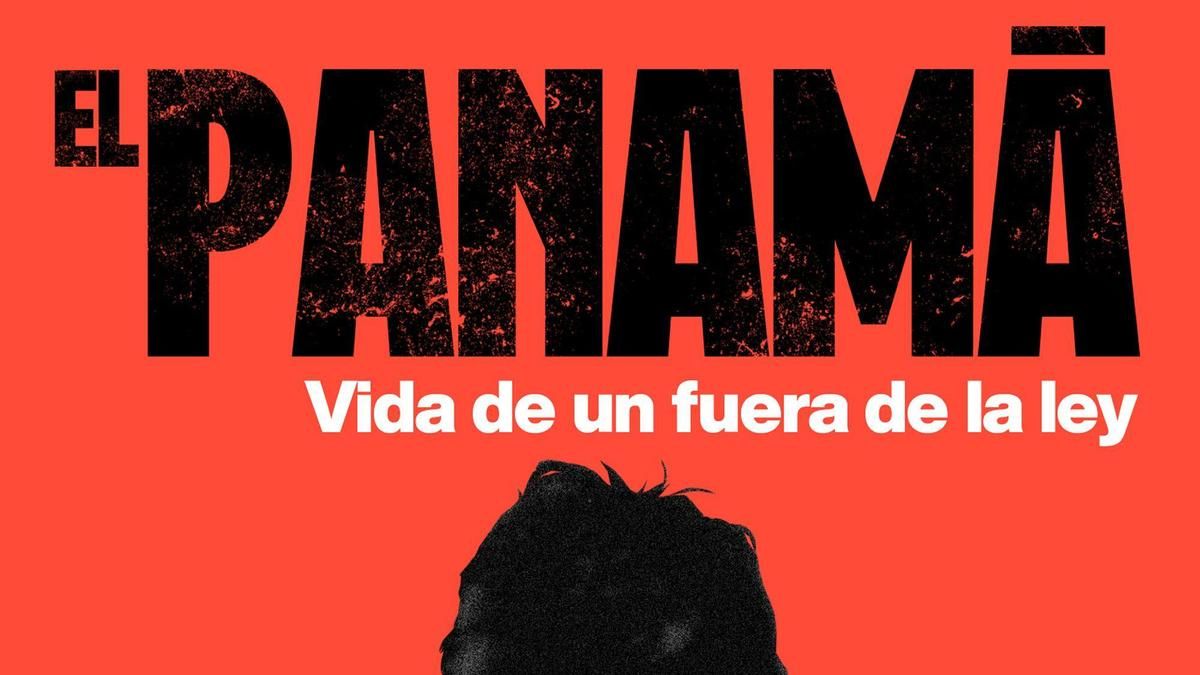
Domínguez’s work, culminating in the book El Panamá: Vida de un fuera de la ley (published by Ariel), is presented as a raw and unflinching portrait of the Spanish criminal underworld. The author draws parallels to Truman Capote’s immersive journalism in In Cold Blood, suggesting a similar commitment to understanding the motivations and complexities of individuals who operate outside the law. The book, according to the source material, offers a critical perspective on the relationship between crime, capitalism, and the state, arguing that societal inequalities create the conditions for individuals like “El Panamá” to flourish. It suggests that these individuals are not simply villains, but rather symptoms of a deeper systemic problem.
The comparison between Lead Belly and “El Panamá” is not simply about shared criminal backgrounds. It’s about the stories that emerge from those backgrounds, the ways in which individuals navigate hard circumstances, and the power of art and testimony to give voice to marginalized experiences. Lead Belly’s music, born from the hardships of his life, became a powerful expression of the African American experience in the early 20th century. Similarly, Domínguez’s work seeks to give voice to those who are often silenced or demonized by mainstream society. Both narratives challenge us to confront uncomfortable truths about the social and economic forces that shape human lives.
The Enduring Legacy of Folk Music and Criminal Narratives
Lead Belly’s influence on American music is undeniable. His renditions of songs like “In the Pines” (also known as “Where Did You Sleep Last Night?”), “Goodnight, Irene,” and “Pick a Bale of Cotton” have become folk standards, covered by countless artists over the years. His music continues to resonate with audiences today, not only for its musicality but also for its historical and cultural significance. He was posthumously inducted into the Rock and Roll Hall of Fame in 1988 and the Louisiana Music Hall of Fame in 2008, solidifying his place as a true American icon.
The story of “El Panamá,” as presented by Domínguez, offers a different, but equally compelling, narrative. It’s a story of survival, resilience, and the enduring allure of the outlaw. While Lead Belly’s legacy is primarily musical, “El Panamá’s” legacy is one of notoriety and a cautionary tale about the consequences of a life lived outside the law. However, both stories share a common thread: they offer a glimpse into the hidden worlds that exist beneath the surface of mainstream society, worlds that are often ignored or misunderstood.
Domínguez’s work, and the broader exploration of figures like Lead Belly, reminds us that understanding the complexities of human behavior requires a willingness to look beyond simplistic narratives and to engage with the stories of those who live on the margins. The enduring appeal of these narratives lies in their ability to challenge our assumptions, provoke critical thinking, and to foster a deeper understanding of the human condition.
As of March 14, 2026, Iñaki Domínguez continues his research into the Spanish criminal underworld, with plans to publish further works exploring the evolving dynamics of organized crime in the country. Readers interested in learning more about this topic can follow Domínguez’s work through academic publications and potential future releases. We encourage you to share your thoughts on the intersection of art, crime, and societal forces in the comments below.
Worth a look