
Manuel Adorni, the current Presidential Spokesperson for the Argentine government under President Javier Milei, continues to hold his position despite ongoing public and political speculation regarding his role. While recent reports have suggested that his departure would be a logical step to mitigate political friction for the Milei administration, there has been no official announcement or confirmation from the Casa Rosada regarding a resignation or a change in his status.
The role of the presidential spokesperson has been a focal point for critics who argue that the government’s communications strategy has at times exacerbated tensions with the public and opposition sectors. As a key figure in the administration’s daily messaging, Adorni has faced intense scrutiny regarding the tone and impact of his press briefings, which are held regularly at the Casa Rosada to outline government policy and respond to media inquiries.
The Role of Presidential Communications in the Milei Administration
Since the inauguration of President Javier Milei on December 10, 2023, the administration has prioritized a radical shift in economic and social policy, often utilizing direct communication channels to bypass traditional media intermediaries. According to official government records, the spokesperson’s office serves as the primary conduit for the administration’s stance on austerity measures, deregulation, and the implementation of the “Ley Bases” (Law of Bases and Starting Points for the Freedom of Argentines), which was a central pillar of the administration’s legislative agenda during its first months. The official publication of the law in the Boletín Oficial confirms the legal framework under which the current administration operates.
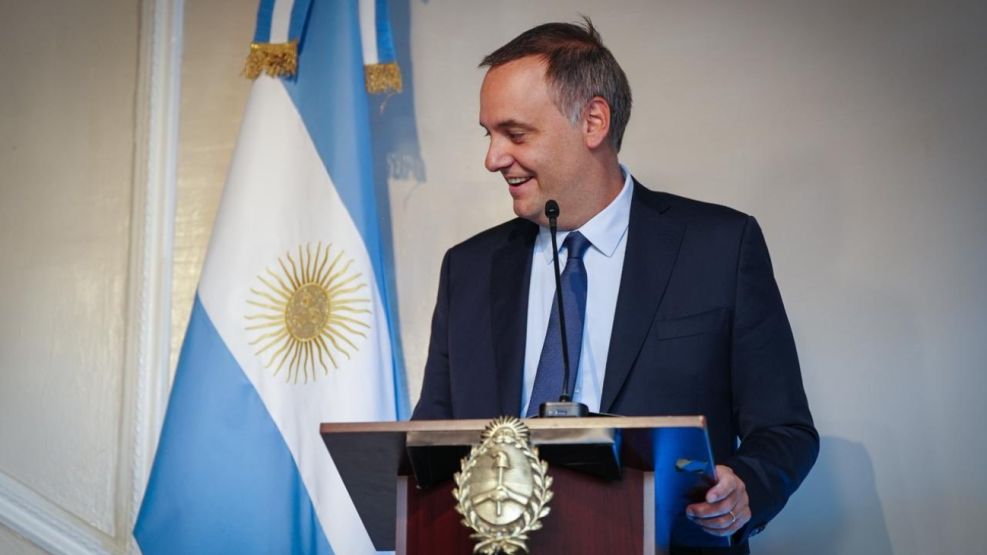
Adorni’s daily press conferences are characterized by a confrontational style toward political opponents and critical journalists. This approach has generated significant debate among political analysts in Argentina. Proponents of the government view this communication style as necessary to maintain the “anti-caste” narrative that propelled Milei to the presidency. Conversely, critics argue that the adversarial tone creates unnecessary “noise” and political wear, potentially alienating sectors of the electorate whose support is required to pass further reforms in the National Congress.
Political Capital and Administrative Strategy
The concept of “political capital” remains central to the survival of the current administration. President Milei secured a decisive victory in the 2023 runoff election, but his party, La Libertad Avanza, remains a minority in both houses of Congress. The necessity of negotiating with opposition blocs, such as the PRO and segments of the UCR, places a premium on effective and diplomatic communication.
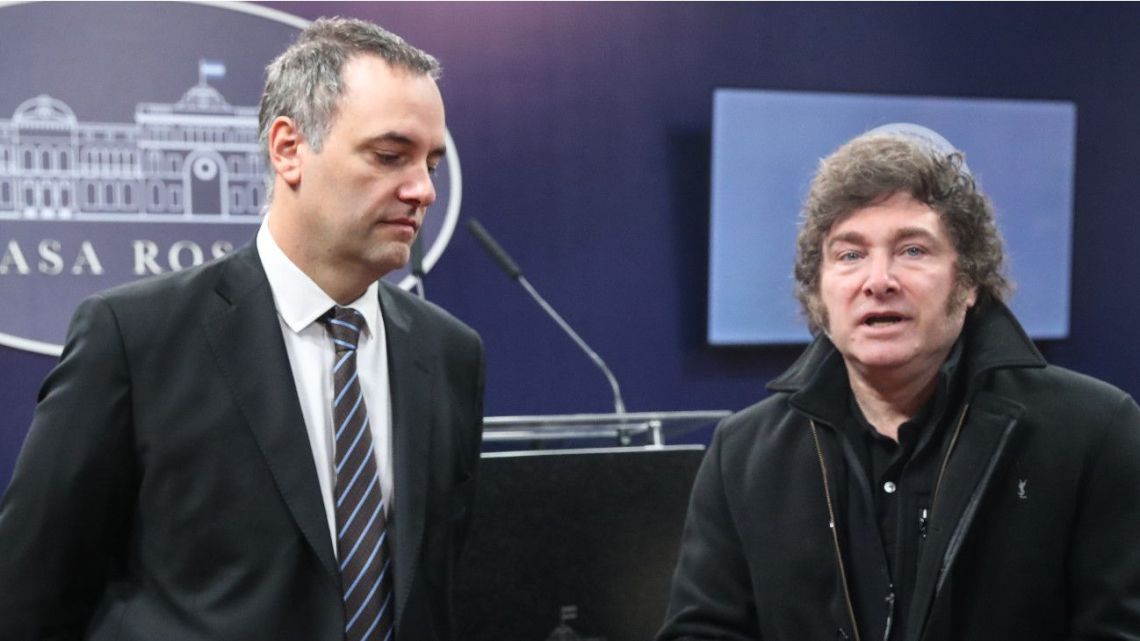
According to data from the National Institute of Statistics and Censuses (INDEC), the country faces significant economic challenges, including high inflation rates and a contraction in industrial activity, which have fueled public sensitivity toward government spending and rhetoric. In this context, the spokesperson is often the lightning rod for public dissatisfaction. The government’s ability to maintain its legislative momentum depends heavily on its capacity to manage perceptions, a task that has become increasingly complex as the administration nears the end of its first year in office.
Public Perception and Media Relations
The tension between the government and the media has been a constant feature of the current term. Adorni frequently utilizes platforms such as X (formerly Twitter) to engage with his base, often bypassing formal press releases in favor of immediate, often provocative, commentary. This shift has been documented by various media outlets tracking the evolution of political communication in the digital age.
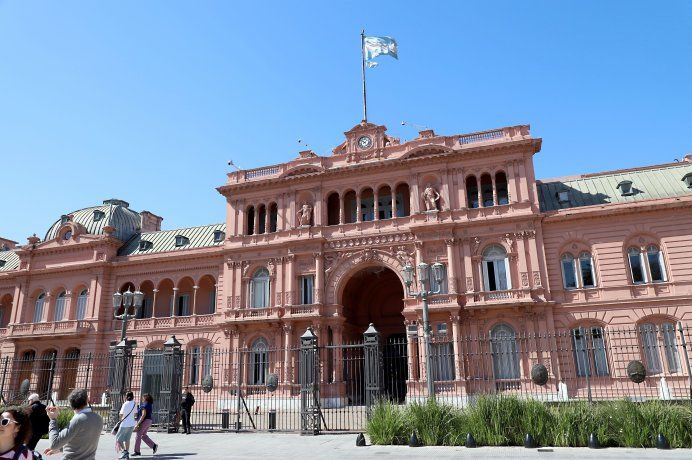
While rumors regarding staff changes are common in the high-pressure environment of the Casa Rosada, the stability of the spokesperson’s position is ultimately decided by the President. As of the latest official briefings, there are no scheduled changes to the communication department. The administration maintains that its current messaging strategy is aligned with its broader objectives of fiscal consolidation and state reform.
What Happens Next
The next major checkpoint for the Milei administration involves the presentation and negotiation of the 2025 National Budget. This legislative process is expected to test the government’s ability to build consensus and manage its public image. Observers will be monitoring the official channels of the Chief of Cabinet of Ministers for updates on administrative appointments and potential shifts in communications strategy as the government prepares for upcoming parliamentary sessions.
The sustainability of the current communication model will likely be evaluated based on the administration’s success in passing its economic agenda. For now, Manuel Adorni remains the face of the government’s daily press operations. As the political landscape in Argentina continues to evolve, the impact of these communication strategies on the government’s overall political standing remains a subject of ongoing analysis.
Readers interested in the latest official government updates and administrative decrees are encouraged to monitor the Boletín Oficial de la República Argentina. Share your thoughts on the evolution of political communication in the comments section below.
Keep reading