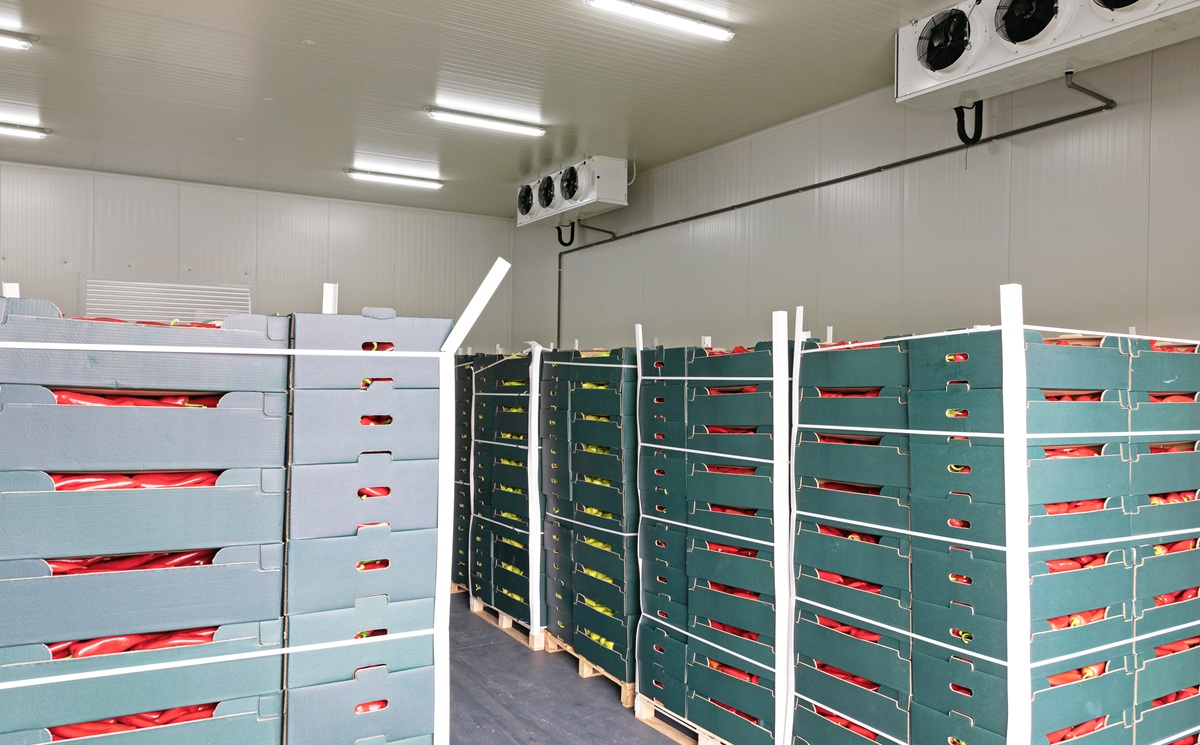
Cold Treatment: A Critical Factor in Global Fruit Trade
The cold treatment process is no longer simply an exceptional requirement for fruit exports,but a essential component of accessing international markets. Increasingly stringent import standards and specific sanitary protocols necessitate a robust and meticulously managed cold treatment programme for fruit producers, particularly those in Latin America. Failure to comply can lead to trade disruptions, damage to origin reputation, and notable economic losses.
What is Cold Treatment?
Cold treatment is a phytosanitary procedure used to eliminate pests from fresh fruits. It involves exposing fruits to low temperatures for a specific duration, effectively killing any potential infestations.This is a crucial step for countries seeking to export to markets with strict biosecurity regulations, such as the United States, China, Japan, Australia, and the European Union.
Why is Traceability Essential?
Technical traceability of the cold treatment process is paramount,not only for satisfying phytosanitary authorities but also for ensuring commercial security. Detailed records must be maintained throughout the process, including temperature monitoring, duration of exposure, fruit variety, and responsible parties. This documentation provides evidence of compliance and allows for swift identification and resolution of any issues that may arise. according to the USDA’s Animal and Plant Health Inspection service (APHIS), detailed records are required for verification of treatment efficacy. https://www.aphis.usda.gov/
the Evolving Landscape of Market Access
Countries are continually strengthening their import requirements. This trend demands that exporters prioritize adherence to sanitary protocols. For latin American fruit exports, proper cold treatment is vital for maintaining sanitary trust, preventing trade interruptions, and safeguarding the reputation of their products. A single incident of non-compliance can jeopardize an entire season’s exports.
Cold Treatment as a logistical Cornerstone
Today, cold treatment must be viewed as a critical link within the entire supply chain. It’s not merely a temperature reading on a screen; it’s a validated sanitary program requiring technical precision, operational coordination, and clear contractual agreements. The success or failure of a shipment can hinge on the correct configuration of the treatment and the accurate identification of the service provider responsible for its execution.
Key Considerations for Prosperous Implementation:
* Validation & Verification: Treatment protocols must be validated by relevant authorities to ensure effectiveness against specific pests. Ongoing verification is also crucial.
* Temperature Monitoring: Continuous and accurate temperature monitoring is essential throughout the entire cold treatment process. Data loggers and robust monitoring systems are vital.
* Documentation: Maintain comprehensive records,including treatment parameters,temperature logs,and responsible party details.
* Supplier Qualification: Carefully vet and qualify cold treatment providers to ensure they have the necessary expertise and infrastructure.
* Contractual Clarity: Clearly define responsibilities and liabilities in contracts with cold treatment providers.
In the increasingly competitive international trade of perishable goods, access to demanding markets depends on meeting ever-higher sanitary standards. cold treatment is undoubtedly one of the most decisive factors in achieving this access.
Related News:
Exporting Fruit in 2026: when Logistics Stops Being Support and Becomes Strategy
Related reading