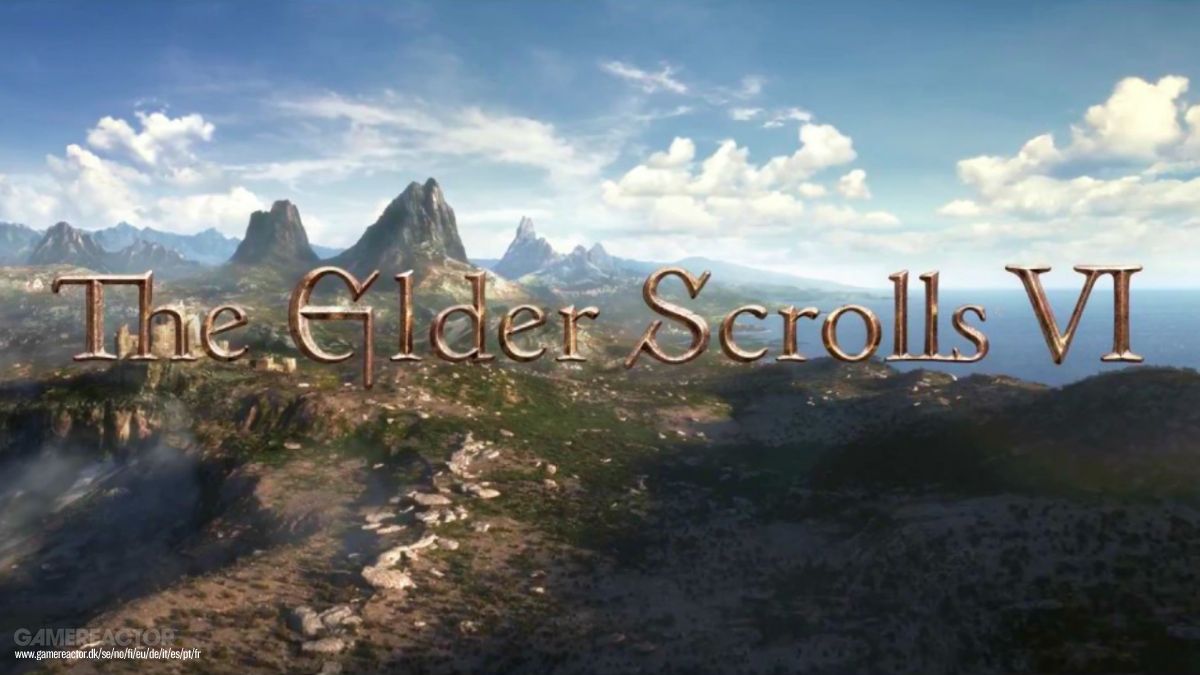
The wait for The Elder Scrolls VI continues, but recent comments from Bethesda Game Studios’ Todd Howard offer a glimpse into the direction the highly anticipated role-playing game is taking. While details remain scarce since its initial announcement in 2018, Howard has confirmed the game is actively in development and signals a return to the series’ roots, prioritizing a “classic style” of gameplay that fans have long cherished. This comes after Bethesda’s ventures with Starfield and Fallout 76, which, while successful in their own right, represented departures from the traditional Elder Scrolls formula.
Howard’s statements, made during an appearance on the Kinda Funny Gamescast podcast, revealed that The Elder Scrolls VI will be built using Creation Engine 3, an evolution of the engine that powered Starfield’s expansive universe. While acknowledging the advancements in the recent engine, Howard emphasized a focus on recapturing the essence of what makes The Elder Scrolls games so beloved. He stated, “We have a game style that we really, really like, and I think people expect from us. There’s still a lot of innovation to do there, so that when you travel into a world, you perceive like you’re really experiencing it for the first time, a game like that. I think we’re happy with where it’s going right now. That’s what I can say.”
Creation Engine 3 and a Return to Form
The choice of Creation Engine 3 is notable, particularly given the discussions surrounding Bethesda’s engine technology. The Creation Engine has faced criticism over the years, with some developers and players finding it limiting and contributing to a certain stiffness in Bethesda’s games. There was speculation that Bethesda might adopt Unreal Engine 5, a popular and powerful engine used in titles like Fortnite and The Matrix Awakens: An Unreal Engine 5 Experience, and even in a remastered version of The Elder Scrolls IV: Oblivion. Though, Howard’s comments confirm that Bethesda is continuing to refine its own in-house technology. The company has a long history of developing its own game engines, and the Creation Engine has been a cornerstone of their success for over a decade.
The decision to stick with a proprietary engine isn’t necessarily a negative one. Bethesda has invested heavily in the Creation Engine, and each iteration brings improvements and new capabilities. Creation Engine 3 represents a significant step forward from Creation Engine 2, which was used to build the massive open world of Starfield. However, the extent of those improvements remains to be seen. The focus, according to Howard, is not simply on technological advancement, but on creating a compelling and immersive gameplay experience. He also expressed a preference for avoiding premature announcements, stating he would ideally prefer to release games when they are fully polished and ready for players, rather than generating hype years in advance.
A “Classic” Elder Scrolls Experience
Perhaps the most encouraging news for longtime fans is Howard’s explicit mention of a return to a “classic style.” This suggests that The Elder Scrolls VI will lean more heavily into the core elements that defined previous installments, such as Morrowind, Oblivion, and Skyrim. These games are renowned for their expansive open worlds, deep role-playing mechanics, intricate lore, and player freedom. The emphasis on a “classic style” could indicate a move away from some of the multiplayer and survival elements introduced in Fallout 76, and a greater focus on a single-player, story-driven experience.
The Elder Scrolls series has always been about player agency – the ability to forge your own path and shape the world around you. Players can choose their race, class, and skills, and then embark on a journey filled with quests, exploration, and character development. The series is also known for its rich and detailed lore, which draws inspiration from mythology, history, and fantasy literature. A return to these core elements would likely be welcomed by the vast and dedicated Elder Scrolls community. The anticipation for the next installment is immense, fueled by years of speculation and a desire to revisit the immersive worlds that Bethesda has created.
Development Progress and Release Timeline
While Howard confirmed that the majority of Bethesda Game Studios is currently working on The Elder Scrolls VI, he cautioned that the game is still “a while yet” from release. TweakTown reported that Howard indicated the team is fully committed to the project, but that creating a game of this scope and ambition takes time. The development process involves not only building the game world and implementing the gameplay mechanics, but also crafting a compelling narrative and ensuring a high level of polish.
The long development cycle is understandable, given the expectations surrounding The Elder Scrolls VI. The previous installment, Skyrim, released in 2011, remains incredibly popular more than a decade later, and fans are eager to notice what Bethesda has in store for the next chapter. The studio is under pressure to deliver a game that lives up to the legacy of its predecessors and pushes the boundaries of the role-playing genre. The apply of Creation Engine 3, coupled with a renewed focus on the “classic style” of Elder Scrolls gameplay, suggests that Bethesda is taking a deliberate and thoughtful approach to development.
What to Expect from The Elder Scrolls VI
Beyond the engine and gameplay style, little is known about the specifics of The Elder Scrolls VI. Bethesda has remained tight-lipped about the game’s setting, story, and characters. However, speculation is rampant within the fan community. Some believe the game will take place in Hammerfell, the homeland of the Redguards, while others suggest High Rock, the province of the Bretons, as a potential location. The choice of setting will undoubtedly have a significant impact on the game’s atmosphere, culture, and overall aesthetic.
The Elder Scrolls series is known for its complex political landscape and intricate faction system. Players often find themselves caught in the middle of conflicts between warring kingdoms, guilds, and religious orders. It is likely that The Elder Scrolls VI will continue this tradition, offering players a wealth of opportunities to engage in political intrigue and shape the fate of the game world. The game’s story will likely involve a major threat to the province, and players will be tasked with uncovering the truth and finding a way to save the land.
The Elder Scrolls VI represents a significant moment for Bethesda Game Studios and the role-playing genre as a whole. The game has the potential to be a landmark title, setting a new standard for open-world design, immersive storytelling, and player agency. While the wait may be long, the promise of a return to the “classic style” of Elder Scrolls gameplay is enough to maintain fans excited and eagerly anticipating the game’s eventual release.
For now, fans will have to remain patient and rely on occasional updates from Bethesda. The company has not yet announced a release date, but Howard’s comments suggest that the game is progressing steadily. As development continues, more details are sure to emerge, offering a clearer picture of what awaits players in the next chapter of the Elder Scrolls saga. Keep an eye on official Bethesda channels for the latest news, and announcements.
Next Steps: Bethesda is expected to provide further updates on the development of The Elder Scrolls VI throughout 2026. Fans can follow Bethesda’s official website and social media channels for the latest information.
Worth a look