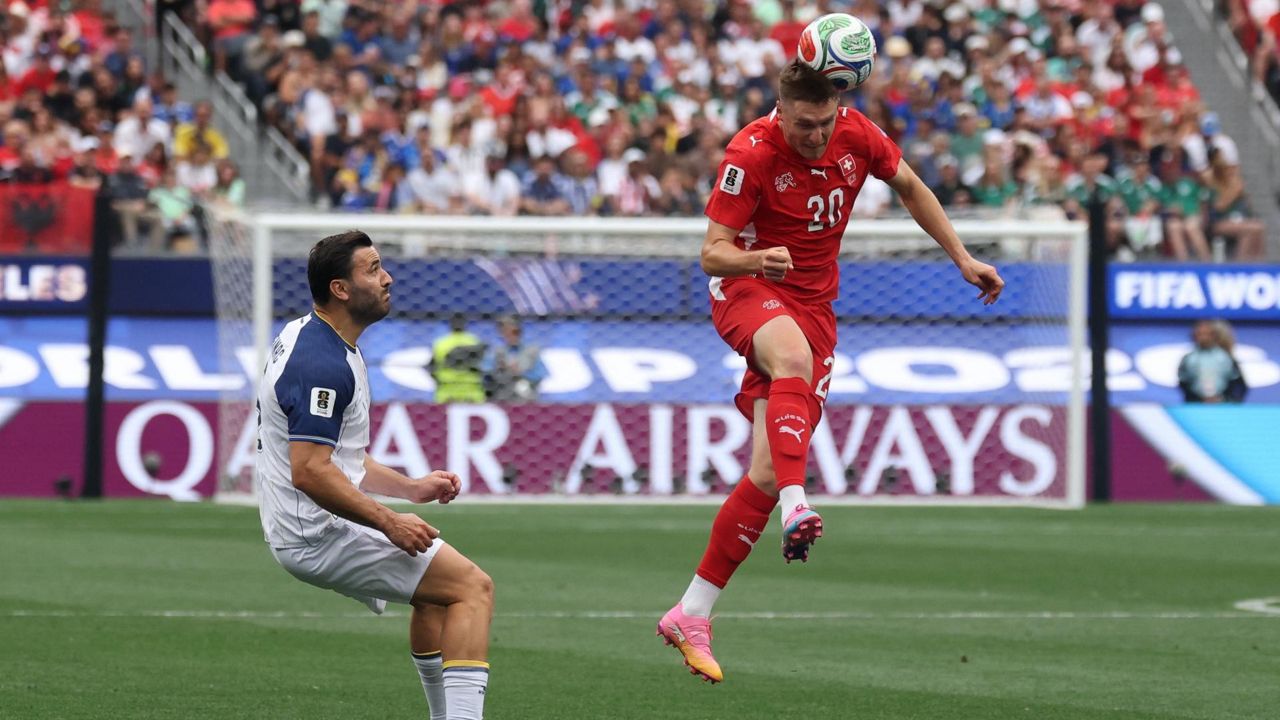
The international friendly match between Switzerland and Bosnia and Herzegovina, held in Los Angeles, drew a significant crowd and generated a vibrant atmosphere among fans, according to local reports. The exhibition event, which served as a showcase for both national football programs, highlighted the growing interest in European international football matches hosted in the United States.
As the Editor of the World section here at World Today Journal, I have followed the increasing trend of European national teams utilizing North American venues for training camps and exhibition matches. While these events are often categorized as friendlies, they function as critical operational tests for teams preparing for major UEFA tournaments, according to the Union of European Football Associations.
The Impact of International Friendlies in the United States
Hosting matches like the Switzerland-Bosnia encounter in Los Angeles serves multiple strategic purposes for international football federations. Beyond the immediate revenue generated from ticket sales and local sponsorships, these matches allow national teams to engage with diaspora communities and expand their global brand presence, as noted by the Fédération Internationale de Football Association (FIFA) in their recent reports on international match expansion.

The choice of Los Angeles as a venue is consistent with the city’s status as a primary hub for international sports, bolstered by infrastructure capable of hosting high-profile matches. This match provided an opportunity for Swiss and Bosnian coaching staffs to evaluate squad depth in a neutral environment, free from the immediate pressures of qualifying rounds or tournament group stages.
Fan Engagement and the Stadium Atmosphere
Observers at the stadium noted a high level of enthusiasm, with supporters of both teams creating a festive environment that mirrored the intensity of competitive fixtures. For many Bosnian fans living in the U.S., these matches represent a rare opportunity to see their national side in person, a sentiment frequently documented by sports journalists covering the Balkan diaspora.

The atmosphere at these exhibition games often defies the typical “friendly” label. Because these matches bring together large numbers of expatriates, the emotional stakes for the fans are frequently higher than for the players themselves. This dynamic is a known factor in the planning of international tours, where federations prioritize cities with established cultural connections to the competing nations.
Strategic Considerations for National Teams
For the Swiss Football Association, such trips are part of a broader strategy to maintain competitive readiness during gaps in the official FIFA calendar. Similarly, the Football Federation of Bosnia and Herzegovina uses these opportunities to integrate younger talent into the senior squad, according to statements from team management regarding their long-term development programs.
The logistical challenges of such events—including international travel, scheduling around club seasons, and adjusting to different time zones—are significant. However, the data suggests that these challenges are outweighed by the benefits of squad cohesion. According to the Major League Soccer (MLS), which often facilitates the use of its stadiums for such events, the success of these matches is measured by both fan turnout and the quality of the training facilities provided to the visiting nations.
What Happens Next
The next official international window for both Switzerland and Bosnia and Herzegovina will be determined by the upcoming UEFA Nations League schedule. Fans interested in tracking the official rankings and the next scheduled fixtures for these teams can find updated information via the official UEFA Nations League portal.

As these teams continue their preparations for future continental competitions, the role of international exhibition matches remains a cornerstone of their global outreach. We encourage our readers to share their thoughts on the growth of international football in North America in the comments section below.