
The Finnish contemporary dance scene is currently navigating a significant moment of expansion, as two prominent figures in the industry have secured substantial private funding to fuel their ambitions on the international stage. Choreographers Elina Pirinen and Jarkko Mandelin have been named as recipients of the Jane and Aatos Erkko Foundation’s prestigious grant program, an initiative designed to bolster the global visibility of Finnish performing arts.
This development marks a pivotal shift for both artists, who have long been staples of the Nordic dance circuit. By securing this financial backing, Pirinen and Mandelin aim to facilitate what they describe as a decisive international breakthrough, moving beyond regional recognition to establish a more permanent footprint in major European cultural capitals. The funding, which totals 1.5 million euros to be distributed over several years, represents one of the largest private investments in independent dance production in Finland, according to official disclosures from the Jane and Aatos Erkko Foundation.
Strategic Growth and Artistic Ambition
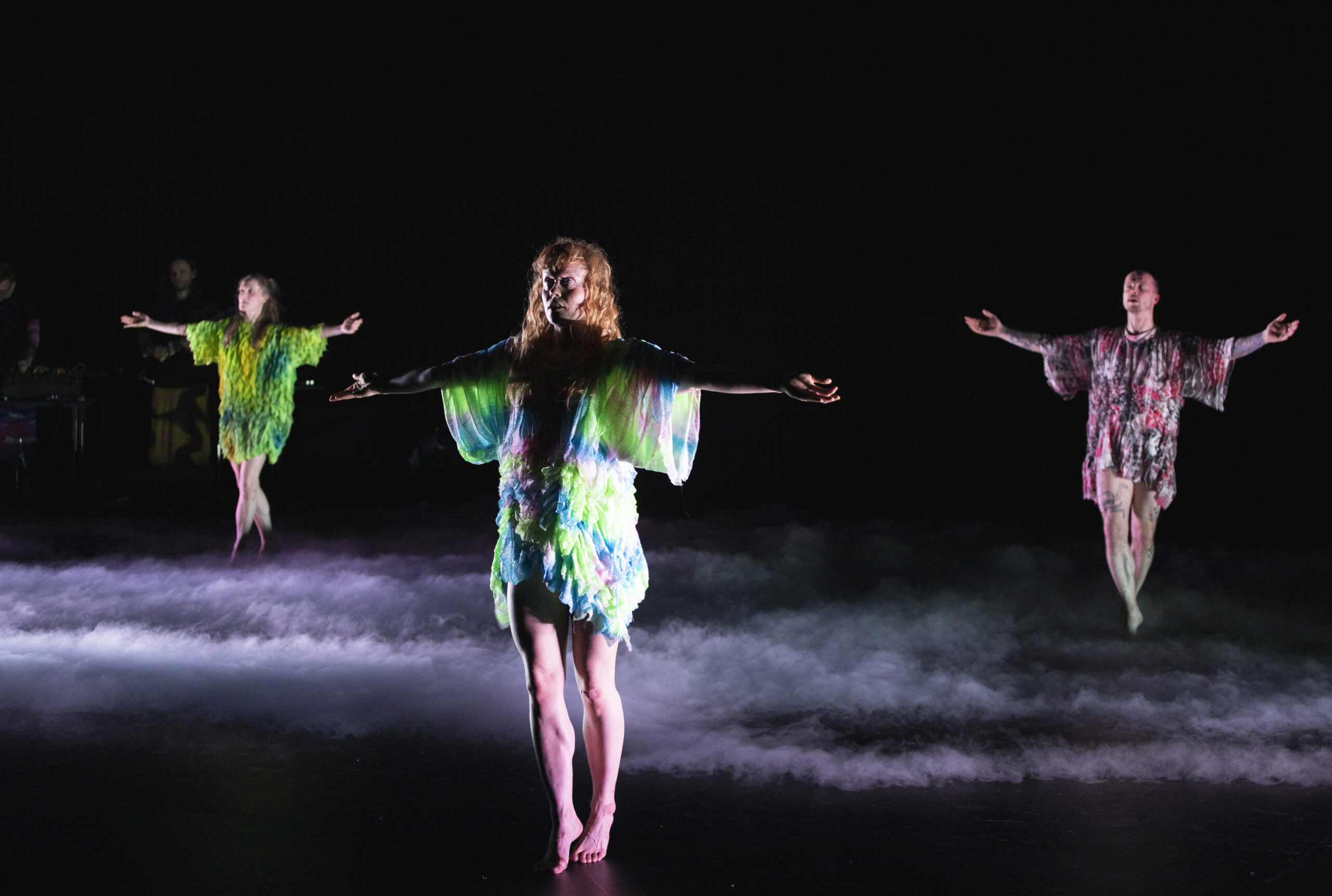
For Elina Pirinen, an artist known for her visceral and often challenging explorations of the human condition, the grant serves as a catalyst for larger-scale productions. Her work often defies traditional categorization, blending elements of performance art with rigorous physical training. Jarkko Mandelin, meanwhile, brings a different aesthetic to the table, often focusing on the mechanics of movement and the interplay between light, sound, and the human form. Together, they represent the diversity of contemporary Finnish choreography, yet they share a common goal: ensuring their work reaches a wider, more diverse audience across the continent.
The funding is not merely a subsidy for operating costs. it is strategically earmarked for the development of new, high-production-value works that are better suited for the technical demands of major European stages. As noted in the foundation’s project outline, the goal is to bridge the gap between niche artistic expression and the requirements of large-scale international touring, where logistics and production quality are paramount to securing bookings in prestigious venues like the Théâtre de la Ville in Paris or the Sadler’s Wells in London.
The Role of Private Philanthropy in Performing Arts
The involvement of the Jane and Aatos Erkko Foundation highlights a growing trend in the European cultural sector: the increasing reliance on private foundations to supplement state arts funding. While Finland maintains a robust public support system for the arts, the competitive nature of the international touring market often requires capital that exceeds what state grants can provide. By providing a “miljoonapotti” (a million-euro pot), the foundation is effectively acting as a venture capitalist for the arts, allowing creators to take the risks necessary to enter new markets without the immediate pressure of commercial success.

This influx of capital is expected to have a ripple effect on the broader Finnish dance community. Beyond the individual projects of Pirinen and Mandelin, the grant is intended to support the infrastructure of their respective production houses, allowing for better administrative support, international marketing, and technical development. According to the Ministry of Education and Culture in Finland, such private-public partnerships are increasingly vital for maintaining the competitiveness of Finnish cultural exports in an era of tightening public budgets.
What This Means for the Global Dance Audience
For international audiences and curators, the increased presence of Finnish choreographers could signal a renewed interest in the “Nordic aesthetic”—a term often characterized by a blend of raw emotional intensity and technical precision. The support for Pirinen and Mandelin is likely to lead to a series of premieres across Europe within the next 24 to 36 months, as the artists transition from the development phase to the touring cycle.
Industry observers suggest that this investment will likely lead to:
- Increased collaboration between Finnish dance companies and European co-producers.
- A higher frequency of Finnish performances at major international dance festivals.
- Greater opportunities for interdisciplinary projects involving sound designers, visual artists, and technologists from across the EU.
As the projects progress, the focus will remain on how effectively these artists can translate their distinct creative visions to larger, more varied audiences. The challenge lies in maintaining the integrity of their work while scaling it to meet the demands of international touring circuits, a hurdle that many contemporary artists face when attempting to break out of their domestic markets.
Key Takeaways for the Industry
The path forward for these choreographers is structured, with clear milestones set by the grant agreement. Following the initial funding announcement, the primary focus for the next twelve months is the pre-production phase, which includes site-specific research and the assembly of international creative teams.
| Phase | Focus Area | Expected Milestone |
|---|---|---|
| Year 1 | Development & Research | Concept finalization and team assembly |
| Year 2 | Production | Full-scale rehearsals and technical testing |
| Year 3 | International Touring | Premiering works in major European hubs |
As these artists move into the next phase of their careers, the global dance community will be watching closely. The success of this endeavor could provide a blueprint for other independent artists seeking to leverage private support to achieve international recognition. Further updates regarding the specific touring schedules and performance dates will be released through the artists’ official channels and the foundation’s project portal as they become available.
We invite our readers to share their thoughts on the role of private funding in the arts. Do you believe that such large-scale grants are essential for the survival of contemporary dance on the global stage? Join the conversation in the comments section below.
Related reading