
The legal proceedings surrounding the death of Elisa Pilarski reached a significant milestone in 2024 as the Soissons Criminal Court found Christophe Ellul guilty of involuntary manslaughter. The court determined that the negligence of the owner, who failed to properly control his American Staffordshire Terrier, Curtis, directly led to the fatal attack on his pregnant partner in November 2019. The verdict, delivered in January 2024, resulted in a sentence of six months suspended imprisonment for Ellul, a decision that has prompted relief from the victim’s legal representatives regarding the establishment of his criminal liability.
The tragedy occurred in the Retz forest in northern France, where Elisa Pilarski, 29, was found deceased following a severe canine assault. For years, the case remained a subject of intense public and legal debate, with investigators examining both the role of the dog and the potential involvement of a nearby stag hunt. However, forensic experts and behavioral scientists eventually pointed to Curtis as the sole perpetrator, a conclusion that formed the backbone of the prosecution’s case against Ellul.
Legal Findings and the Ruling of the Soissons Court
In its January 2024 judgment, the Soissons Criminal Court formally established that Christophe Ellul was responsible for the death of his partner due to his lack of caution and failure to muzzle a dog known for its aggressive history. According to Le Monde, the court emphasized that Ellul was aware of the animal’s dangerous temperament but failed to implement necessary safety measures, leading to the fatal outcome. The six-month suspended sentence reflects the court’s assessment of his criminal negligence in failing to prevent the attack.
For the family of Elisa Pilarski, the verdict provided a sense of closure after years of uncertainty. Gilles Paruelle, the lawyer representing the victim’s family, stated that they were “soulagé de voir que la responsabilité de Christophe Ellul a été engagée,” noting that the judicial process had finally recognized the gravity of his actions. This ruling clarifies the legal culpability in a case that had previously been clouded by competing theories regarding the involvement of other animals or hunters in the area.
Understanding the Forensic Evidence
The investigation into the death of Elisa Pilarski relied heavily on forensic evidence to identify the animal responsible. Veterinary experts conducted extensive genetic testing and behavioral analyses on Curtis, the dog owned by Ellul. As reported by France 24, the evidence presented in court confirmed that the bites found on the victim matched the dental morphology of the American Staffordshire Terrier. These findings effectively ruled out the involvement of hunting hounds, a theory that had been suggested by the defense and various media outlets during the initial stages of the investigation.
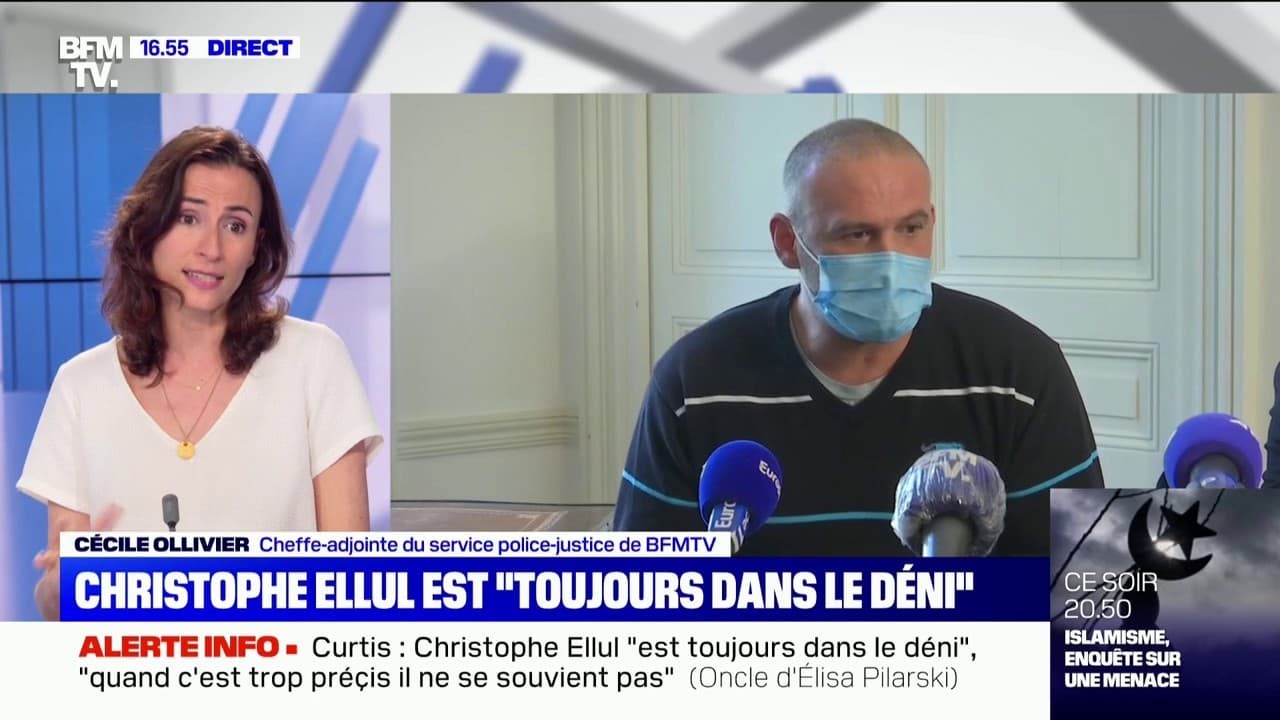
Furthermore, behavioral experts testified that the dog had displayed aggressive behaviors before the incident, which were ignored or downplayed by the owner. The court’s reliance on these technical findings underscores the importance of animal ownership responsibility under French law. The case serves as a legal precedent for cases of involuntary manslaughter involving domestic animals, highlighting that owners can be held criminally liable if they fail to manage a pet that they know to be dangerous.
Impact on French Animal Safety Legislation
The conclusion of the Pilarski case has reignited discussions regarding the regulation of “Category 1” and “Category 2” dogs in France. Under the French Rural Code, owners of specific breeds are required to adhere to strict safety protocols, including the use of muzzles in public spaces and mandatory training certifications. The court’s decision serves as a reminder of the legal consequences for failing to comply with these safety standards, which are designed to prevent such tragic incidents.
While the criminal trial has concluded, the case continues to be cited in discussions about the responsibilities of pet owners in rural areas and the necessity of stricter enforcement of existing laws. Advocates for animal safety and victims’ rights have pointed to this case as a demonstration of the legal system’s ability to hold individuals accountable, even when the circumstances of an accident are complex and emotionally charged.
Next Steps in the Judicial Process
Following the January 2024 verdict, the legal chapter regarding the criminal culpability of Christophe Ellul is considered closed. Any potential future developments would be limited to civil proceedings concerning damages or appeals regarding the sentencing, though no official announcements regarding such actions have been released by the court at this time. The court’s ruling stands as the final word on the criminal liability aspect of the tragedy.
For those interested in following future regulatory updates or official reports on animal safety laws in France, the French Ministry of the Interior provides updated guidelines on the ownership and management of dangerous dogs. We welcome readers to share their thoughts on this case or contribute information regarding similar legal precedents in the comments section below.
Worth a look