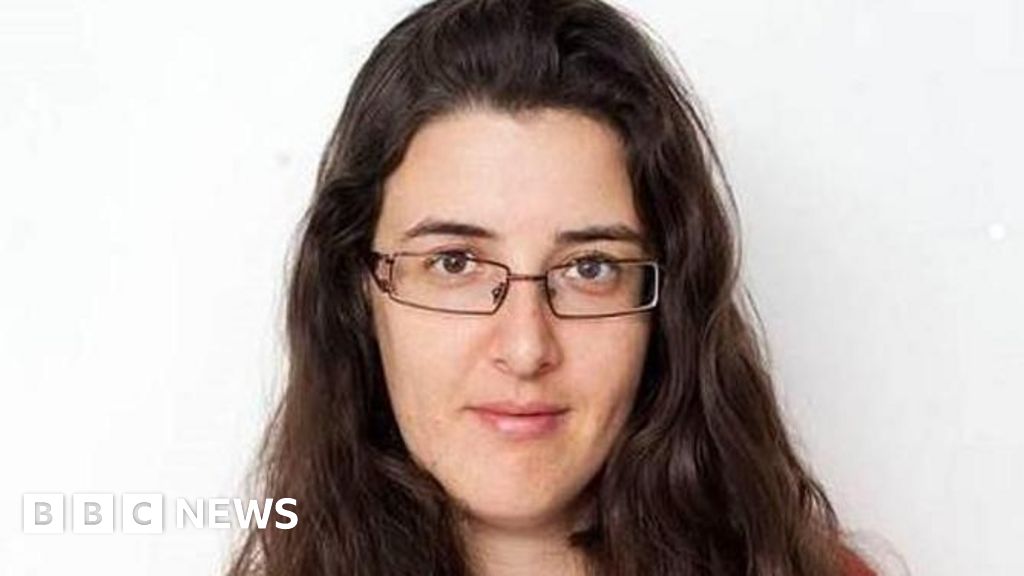
Elizabeth Tsurkov: The Release of a Researcher Held by Kataib Hezbollah – A Deep Dive
The recent release of Elizabeth Tsurkov, a researcher held captive in Iraq for months, marks a significant event with complex geopolitical implications. This article provides a comprehensive overview of the case, detailing her abduction, the involved parties, the circumstances surrounding her release, and the broader context of regional instability. We’ll explore the role of Kataib hezbollah, the diplomatic efforts involved, and what this case reveals about risks faced by researchers operating in conflict zones.
The Disappearance and Captivity of Elizabeth Tsurkov
Elizabeth Tsurkov, a doctoral candidate at Princeton University specializing in the Levant – encompassing modern-day Israel, Syria, Lebanon, Palestine, and Jordan – went missing in Iraq in March 2023. Her research focused on the Syrian uprising and civil war,a deeply sensitive and politically charged area. Israeli Prime Minister Benjamin Netanyahu later confirmed she was being held by Kataib Hezbollah, an Iran-backed Shia militia.
Reports indicate Ms. Tsurkov endured months of alleged torture during her captivity.the details remain largely undisclosed, but the severity of the situation was underscored by statements from both US President Donald trump and Iraqi prime Minister Mohammed Shia al-Sudani following her release. She entered Iraq using her Russian passport, adding another layer of complexity to the case.
Kataib Hezbollah: A Key Player in Iraqi Politics
Understanding Kataib Hezbollah is crucial to grasping the context of Tsurkov’s abduction. This powerful Iraqi Shia militia receives both financial and military support from Iran. Designation: The US designated Kataib Hezbollah as a terrorist organization in 2009.
Influence: The group wields significant influence within Iraq’s political landscape, often operating outside the direct control of the Iraqi government.
Regional Ties: Kataib Hezbollah is part of the Popular Mobilization Forces (PMF), a coalition of predominantly Shia militias formed to fight ISIS. However, its allegiance to Iran and its involvement in attacks against US forces have consistently raised concerns.Recent reports (October 2023 – September 2024) from the Council on Foreign Relations highlight the increasing assertiveness of Iran-backed militias in Iraq, posing a challenge to Iraqi sovereignty and regional stability.https://www.cfr.org/middle-east-and-north-africa/iraq
The Road to Release: Diplomatic Efforts and Iraqi Involvement
The release of Elizabeth Tsurkov was the result of sustained diplomatic efforts and, crucially, the work of Iraqi security services. US President Trump announced her safe arrival at the American embassy in Iraq via Truth Social.
Iraqi Prime Minister al-Sudani confirmed the release, stating it was “a culmination of extensive efforts exerted by our security services over the course of many months.” He detailed how Iraqi security forces located Ms. Tsurkov’s holding location and facilitated her transfer to the US embassy.
This successful operation demonstrates the Iraqi government’s capacity – and willingness – to address the activities of powerful militias within its borders, albeit often delicately balancing competing interests.
Implications and concerns for Researchers in Conflict Zones
The Tsurkov case raises serious concerns about the safety of researchers and journalists operating in conflict zones.
Increased Risk: The risk of abduction and mistreatment is demonstrably high, particularly in areas with strong militia presence and complex political dynamics.
Due Diligence: Researchers must conduct thorough risk assessments before traveling to such regions, including understanding the local security landscape and potential threats.
Support Networks: Establishing robust support networks – including contacts within local communities, embassies, and international organizations - is vital.
* Insurance & Security Protocols: Comprehensive travel insurance and adherence to strict security protocols are non-negotiable.
A recent study (published August 2024) by the Committee to Protect Journalists (CPJ) found a 30% increase in the number of journalists and researchers detained globally in the past year, highlighting a growing trend of threats to media freedom. https://cpj.org/
trump’s Statement and the Hostage Situation
In his announcement,President Trump also reiterated his call for Hamas to release the hostages taken during the October 7th attack on Israel. This inclusion, while seemingly unrelated, underscores the broader context of
Worth a look