
EU Scrutiny of Online Content sparks Debate with Elon Musk
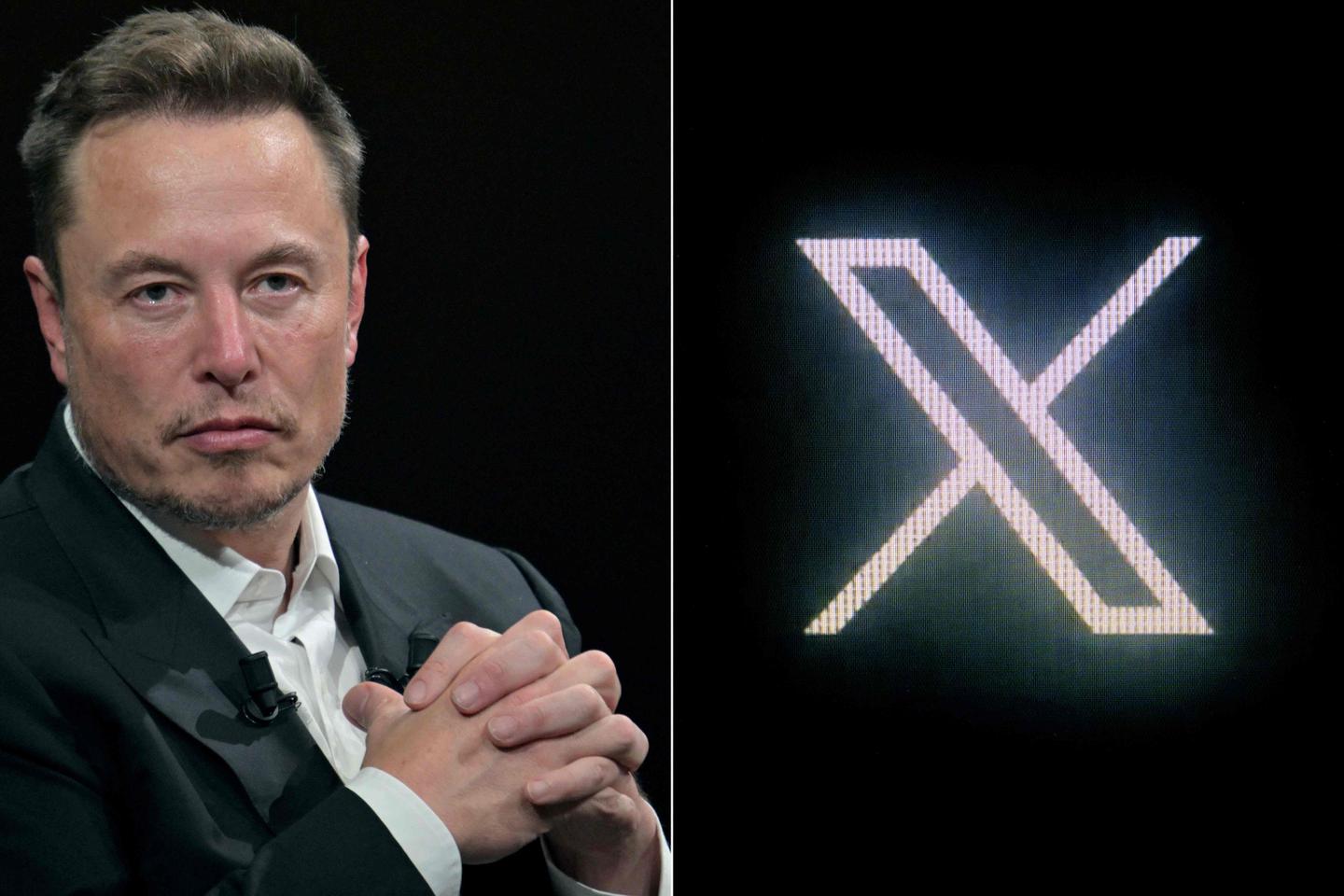
A fresh wave of European Union investigations into illegal content and disinformation circulating online has ignited a public exchange, most notably with tech entrepreneur Elon Musk. he recently voiced his opposition on social media, stating the EU should prioritize freedom of expression instead of “attacking American companies for silliness.”
this sentiment, though, has been met with strong pushback from European officials. Several representatives and diplomats have publicly defended the EU’s approach, emphasizing the need for transparency and accountability from large online platforms.
Here’s a breakdown of the situation and why it matters to you:
The Core of the Conflict
* EU Regulations: The EU is increasingly focused on regulating online platforms to combat the spread of illegal content – hate speech, terrorist propaganda, and disinformation – and to protect users.
* Transparency Demands: A key aspect of these regulations is requiring platforms to be more transparent about their content moderation policies and algorithms.
* X’s Non-Compliance: X (formerly Twitter), under Musk’s ownership, has reportedly resisted complying with these transparency requests, leading to formal investigations and potential penalties from the European Commission.
* TikTok‘s Compliance: In contrast, TikTok has accepted the EU’s requirements, demonstrating a willingness to cooperate.
European Response: A Firm Stance
france’s Minister for Digital affairs, Jean-Noël Barrot, articulated a resolute defense of the EU’s actions.He stated that the EU will not be intimidated by opposition and that the rules apply equally to all platforms. I’ve found that this consistent application of rules is crucial for building trust and ensuring a level playing field.
What This means for You
This situation highlights a growing tension between the principles of free speech and the need to protect citizens from harmful online content. Here’s what you should be aware of:
* Increased Regulation: Expect continued efforts from the EU to regulate online platforms.
* Platform Accountability: Platforms will likely face increasing pressure to be more transparent and accountable for the content hosted on their services.
* Potential Impact on User Experience: Changes to content moderation policies could affect what you see and share online.
* A Global Precedent: The EU’s approach could influence regulations in other parts of the world.
Looking Ahead
The EU’s actions signal a clear message: online platforms operating within its borders must adhere to its standards. This isn’t simply about targeting American companies; it’s about establishing a framework for a safer and more responsible online habitat. Here’s what works best: a proactive approach to content moderation and a commitment to transparency. The debate is far from over, but the EU appears determined to forge ahead with its regulatory agenda.





