Teh Hidden cost of China’s Growth: How a peruvian Port Expansion Fuels Amazon Deforestation
The relentless march of global trade often leaves a trail of unintended consequences. A compelling example unfolds in Peru, where the expansion of a Chinese-funded port is directly linked to escalating deforestation in the Amazon rainforest – a crisis with global implications. This isn’t simply a local issue; it’s a stark illustration of how demand from the world’s largest economy is reshaping ecosystems and displacing communities thousands of miles away.
This article delves into the complex relationship between China’s infrastructure investments, peru’s economic growth, and the accelerating destruction of the Amazon. We’ll explore the evidence, the human cost, and what this means for the future of this vital ecosystem.
The Port of Chancay: A Gateway for Growth, and Destruction?
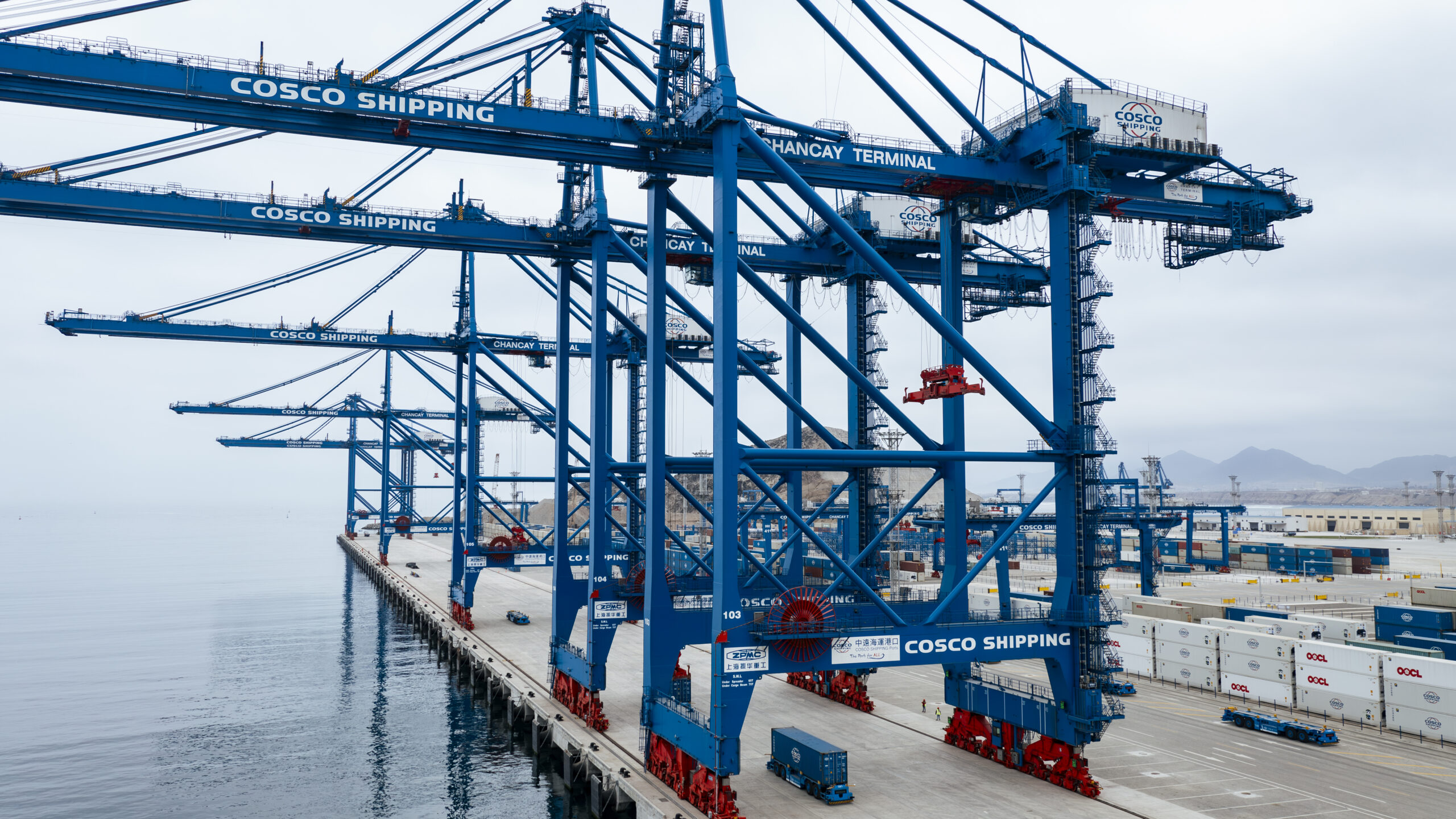
Located north of Lima, the Port of Chancay is a massive undertaking spearheaded by China’s Cosco Shipping Ports. Billed as a key component of China’s Belt and Road Initiative, the port promises to transform peru into a regional logistics hub. However, this progress comes at a significant environmental price.
The port’s expansion isn’t just about concrete and steel. It’s about facilitating the increased flow of goods – including timber and agricultural products – that are driving deforestation. Local residents like artist Maria arce are already feeling the impact, witnessing cracks in their homes from constant construction and fearing displacement.
The Link Between chinese Demand and Amazon Deforestation
The connection between Chinese imports and deforestation isn’t speculative. multiple studies paint a disturbing picture:
* Illegal Timber Trade: A 2018 Environmental Investigation Agency study revealed that a staggering 70% of inspected tropical timber shipments from Peru to China originated from illegally deforested land. Only one-third of these shipments even received inspection.
* Massive Forest Loss: A recent Forest Trends report found that Chinese imports linked to deforestation between 2013 and 2022 resulted in the loss of approximately 4 million hectares of tropical forest - nearly 70% of which was illegally cleared.
* Significant Carbon Emissions: The greenhouse gas emissions associated with these imports are comparable to Spain’s annual fossil fuel emissions. This underscores the climate impact of this trade.
These figures aren’t just numbers; they represent a devastating loss of biodiversity, indigenous livelihoods, and a critical carbon sink.
China’s Dual Role: Reforestation at Home, Deforestation Abroad
It’s a paradox. China is a global leader in domestic reforestation and renewable energy initiatives. Yet, its demand for resources is together fueling deforestation in other countries.
As kerstin Canby, a senior director with Forest Trends, explains, “China has been a star, but that has ripple effects.” The focus on internal environmental improvements inadvertently shifts the burden of environmental degradation to nations with weaker governance and fewer protections for their forests.
This creates a perilous dynamic where demand simply gets pushed to the most vulnerable regions. You can think of it as a global game of ecological hot potato.
The Human Cost: Displacement and Uncertainty
The expansion of the Port of Chancay isn’t just an environmental issue; it’s a social one. Residents of the nearby communities are facing displacement, property damage, and an uncertain future.
Maria Arce‘s story is emblematic of this struggle. She fears losing the home she’s known her entire life,and the community she cherishes. The constant noise and dust from construction are a daily reminder of the changes sweeping through their lives.
The lack of openness surrounding the port’s operations and the potential for further expansion only exacerbates these anxieties.
What Can Be Done? Addressing the Root Causes
Addressing this complex issue requires a multi-faceted approach:
* Increased Transparency: Greater transparency in supply chains is crucial. Consumers and businesses need to know the origin of the products they purchase and whether they contribute to deforestation.
* Stronger Enforcement: Peru needs to strengthen its enforcement of forestry laws and increase inspections of timber shipments. International cooperation is also essential to combat illegal logging.
* Sustainable Sourcing: Companies must prioritize sustainable sourcing practices and avoid products linked to deforestation.
* Demand Reduction: Ultimately, reducing demand for products that drive deforestation is key. This requires a shift towards more sustainable consumption patterns.
* Community Empowerment: Supporting