
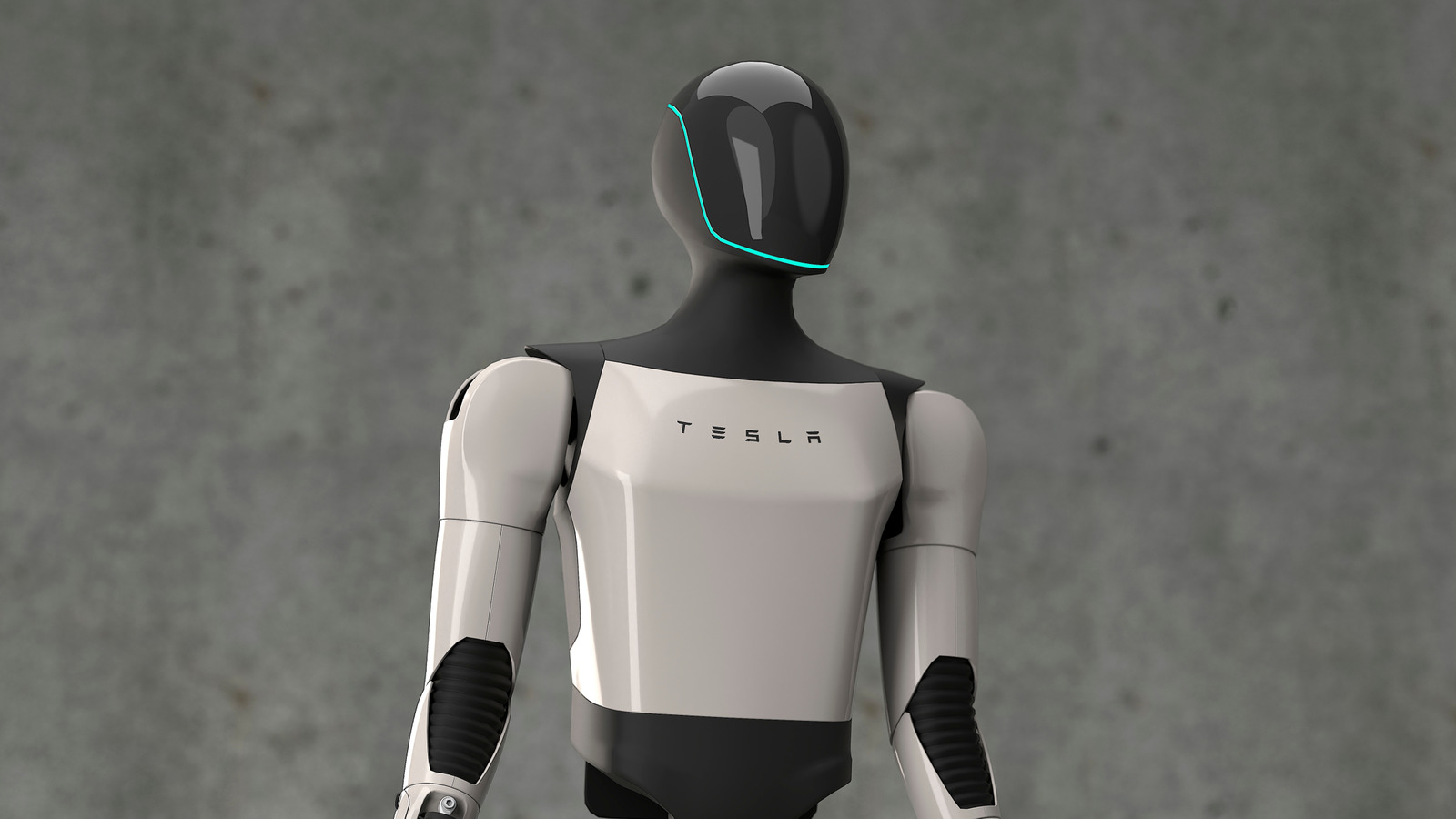
Tesla’s Robot Dreams Face Reality Check: Optimus Ambitions Scaled Back
Elon Musk‘s vision of a future dominated by Tesla’s Optimus robot has hit a snag. A recent tweet from Musk himself debunked reports of a planned $10,000 robot deal, signaling a potential recalibration of the aspiring project. This development underscores the notable hurdles Tesla faces in bringing it’s humanoid robot to market and realizing the lofty financial projections tied to its success.
The Scale of Musk’s Optimus Vision
for years, Musk has presented an incredibly optimistic outlook for Optimus. He recently suggested the robot could ultimately represent 80% of Tesla’s total value.At last year’s shareholder meeting, he boldly predicted Optimus could propel Tesla’s market capitalization to a staggering $25 trillion. Currently,tesla’s market cap is under $2 trillion,while Nvidia,the current market leader,hovers around $4.5 trillion.
Musk envisions a widespread deployment of Optimus robots across various sectors. He believes they will soon surpass human surgeons in skill, potentially within just a few years. He even anticipates a future where intelligent humanoid robots vastly outnumber humans, with each person owning their own robotic assistant.
Notably, Musk’s controversial $85 trillion pay package is directly linked to the success of Optimus.Achieving this payout requires Tesla to sell over 100 million Optimus units annually to reach an $8 trillion market cap.
The Challenges ahead
despite the grand vision, significant challenges stand in the way of Optimus’s success.Tesla has yet to begin mass production or sales of the robot, and delays have already accumulated. Though, the biggest threat may come from emerging competition, particularly from china.
currently, Optimus is projected to cost between $20,000 and $30,000.In contrast, Unitree, a Chinese robotics company, has already launched the R1 humanoid robot for under $6,000. Chinese companies are rapidly innovating in the robotics space, even showcasing their robots in competitive events like battles and races.
This rapid development poses a substantial challenge for Tesla. It will be difficult for Optimus to secure buyers and establish market dominance against more affordable alternatives.
What This Means for You
The recent news serves as a reality check for anyone following the development of humanoid robots.While the potential of robots like Optimus is undeniable, the path to widespread adoption is far from straightforward.
here’s a breakdown of the key takeaways:
* Ambitious goals require realistic timelines. Tesla’s initial projections appear increasingly optimistic given the current state of the technology and the competitive landscape.
* cost is a critical factor. The price point of Optimus will be a major determinant of its success, especially when compared to cheaper alternatives.
* Competition is heating up. Chinese robotics companies are making significant strides, potentially disrupting tesla’s plans.
* Innovation is key. Tesla will need to continue innovating to differentiate Optimus and justify its higher price tag.
Ultimately, the future of Optimus – and the broader humanoid robot market – remains uncertain.While Musk’s vision is compelling, turning that vision into a reality will require overcoming significant technical, economic, and competitive hurdles. You should expect continued developments and potential adjustments to Tesla’s strategy as the robotics landscape evolves.





